The upcoming state elections in Johor and Negeri Sembilan will serve as testing grounds for a coordinated national effort to combat election-period misinformation, the Malaysian Media Council announced at a dialogue session held in conjunction with National Journalists' Day celebrations here on June 20.
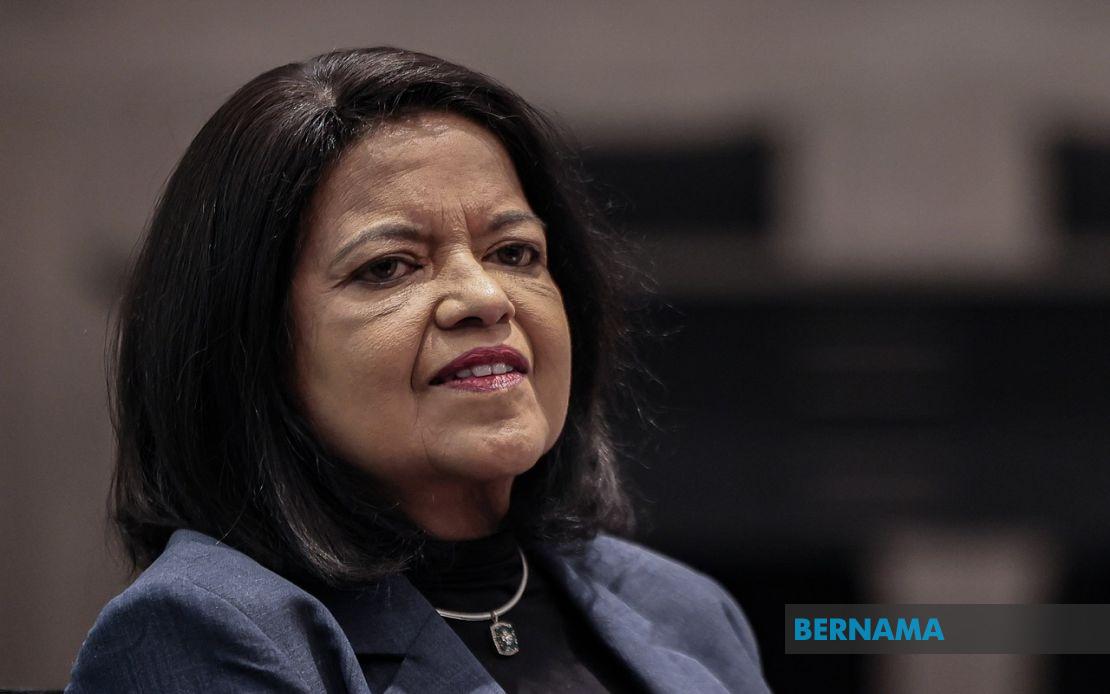
The staggered nature of the two polls—with Johor voting on July 11 and Negeri Sembilan on August 1—provides a unique opportunity to refine anti-misinformation mechanisms in real time, according to MMC chairperson Tan Sri Nallini Pathmanathan. The council's newly launched Rapid Response Election Initiative represents a significant shift in how Malaysia approaches electoral information integrity, moving beyond traditional approaches to tackle the increasingly sophisticated challenge of synthetic and artificially generated content that can spread across digital platforms within minutes.
The framework operates through a carefully structured coordination model in which the MMC functions as the central hub, connecting multiple stakeholders with distinct roles. Media organisations themselves take primary responsibility for verifying whether content claiming to originate from their newsrooms is authentic, while the Election Commission serves as the arbiter for election-related factual disputes and procedural clarifications. The Malaysian National News Agency, Bernama, assumes the role of distributing verified information to the public through established channels, ensuring that corrections and clarifications reach voters efficiently.
Beyond these core partners, the initiative incorporates broader institutional support. Content Forum Malaysia brings expertise in digital platforms and media literacy, while the Department of Community Communications and National Information Dissemination Centres extend verified information into communities at the grassroots level. The Malaysian Communications and Multimedia Commission provides technical and regulatory support when matters require platform intervention or investigation of potentially illegal content. This multi-agency approach reflects recognition that misinformation during elections demands a comprehensive response spanning both traditional media institutions and digital-age governance structures.
The pilot programme specifically targets fabricated media content rather than political claims or campaign promises. Its focus is narrower but operationally significant: verifying whether graphics, screenshots, reports or other materials falsely attributed to legitimate news organisations are genuine. This distinction is deliberate, as Nallini explained, because assessing the accuracy of political manifestos or candidate statements ventures into territory requiring editorial independence and fact-checking protocols that extend beyond the council's coordination mandate. Instead, the initiative creates a rapid-response mechanism that can verify and correct fraudulent attributions before misinformation gains viral momentum.
A practical example illustrates the mechanism's intended speed and effectiveness. A doctored graphic bearing a major news outlet's logo and falsely claiming a candidate has withdrawn could be verified and debunked within minutes by the organisation itself, allowing corrections to circulate before substantial numbers of voters encounter the false claim. Similarly, misinformation about voting procedures or election rules can be immediately referred to the Election Commission for authoritative clarification, providing voters with reliable guidance on electoral participation.
The initiative responds directly to the evolving threat posed by deepfakes, synthetic media and AI-generated content that are increasingly difficult to distinguish from authentic material. During high-stakes electoral periods when political emotions run high and voters are actively seeking information to inform their choices, the volume and sophistication of fabricated content poses genuine risks to democratic processes. Malaysia's earlier experiences with viral hoaxes and manipulated materials during elections underscore why institutional responses have become necessary.
Complementing the verification mechanism, the MMC will launch a public awareness campaign centred on the concept "Who Said It? What's The Source?" in English, and "Siapa kata? Sos mana?" in Malay. Rather than instructing citizens to distrust information or refrain from political engagement, the campaign encourages voters to apply critical thinking before accepting and sharing election-related claims. Nallini framed this as an invitation to active citizenship: voters retain full rights to read, debate and participate in elections, but healthy democratic participation depends on information foundations that can withstand scrutiny.
For Malaysian readers, the initiative carries particular significance given the country's digital-savvy population and established patterns of rapid information circulation through messaging applications and social media platforms. Southeast Asia broadly has contended with misinformation challenges during electoral periods, making Malaysia's structured response potentially instructive for regional counterparts. The initiative also reflects increasing sophistication in how government agencies, media institutions and regulatory bodies coordinate around information integrity without compromising editorial independence or free expression.
The Communications Ministry's active participation, through Minister Datuk Fahmi Fadzil and senior officials, signals high-level commitment to operationalising the framework during the actual elections. The presence of Bernama leadership and representatives from major media organisations indicates broad institutional buy-in from the news industry itself, suggesting that media outlets view the coordination mechanism as compatible with their editorial operations rather than as external constraint.
As these two state elections unfold over the coming six weeks, the practical effectiveness of the Rapid Response Election Initiative will become apparent. Early successes or challenges during the Johor election can inform refinements before the Negeri Sembilan poll proceeds, creating a genuine testing cycle. The framework's success may well influence how Malaysia approaches misinformation during future general elections, establishing institutional mechanisms and inter-agency protocols that could become standard practice in Malaysian electoral administration.

