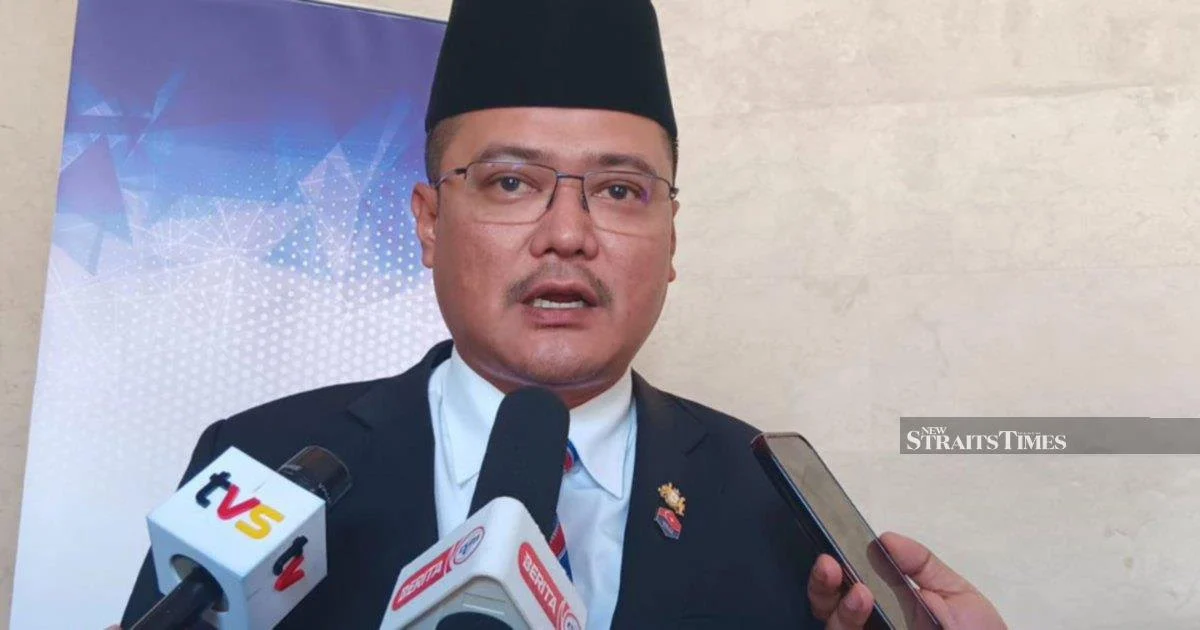
Johor's Barisan Nasional leadership has launched a sharp rebuke against Datuk Dr Mohd Puad Zarkashi, the former speaker of the state legislative assembly, over allegations that intertwine the Johor palace with internal political manoeuvres. The coalition has branded these claims as baseless, grave, and lacking responsibility, signalling deepening tensions within the state's fractious political landscape.
The controversy centres on assertions that have linked the royal institution directly to decision-making processes within state politics. Such allegations strike at the heart of institutional relationships in Malaysia, where the monarchy maintains a carefully calibrated constitutional role. By characterising the former speaker's claims as without foundation, Johor BN is attempting to draw a clear line between legitimate political discourse and what it views as dangerous insinuation.
The timing of this dispute reflects broader fault lines that have emerged across Malaysia's political establishment in recent years. Johor, traditionally a stronghold of federal power and establishment politics, has experienced unusual instability following shifting coalitions at both state and national levels. The emergence of such accusations suggests underlying tensions that extend beyond simple policy disagreement into questions of institutional integrity and political legitimacy.
Umno Youth, the party's youth wing, has escalated the conflict by claiming that hundreds of supporters have filed police reports in response to Puad's statements. This coordinated action represents an organised attempt to elevate what might otherwise remain a political argument into a legal matter. The assertion about police reports underscores how these disputes increasingly weaponise formal institutions, transforming political rivalries into potential criminal investigations. The scale claimed—hundreds of reports—appears designed to demonstrate grassroots outrage and establish that these allegations have sparked genuine public concern.
Puad Zarkashi, as a former speaker, occupies a position of considerable standing within Johor's political hierarchy. His willingness to level such serious accusations suggests either genuine conviction regarding improper palace influence or a calculated move in an ongoing political struggle. The decision to make these allegations public rather than pursue them through private channels indicates they serve a strategic purpose within the broader competitive landscape. Regardless of intention, his status lends weight to claims that might otherwise be dismissed as fringe commentary.
The invocation of palace involvement in state politics carries particular resonance in Malaysia's constitutional context. The federal constitution establishes the monarchy in a ceremonial and symbolic role, with elected governments handling executive functions. However, the traditional reverence accorded to royal institutions in Malaysian society means that any suggestion of improper influence carries profound implications for institutional credibility. This explains why Johor BN has responded with such vigour—allowing such suggestions to go unchallenged risks normalising the notion that the palace overextends its constitutional boundaries.
The police reporting mechanism represents a significant escalation in the conflict's intensity. While Umno Youth's coordination of mass reports may succeed in drawing official attention and potential investigation, it simultaneously risks exposing the leadership to countercharges if accusations prove groundless. This tactic also reflects how Malaysia's political parties increasingly resort to formal legal and enforcement channels to settle disputes that might previously have remained within party structures or informal negotiation spaces.
For Malaysian observers, this episode illustrates continuing vulnerabilities in institutional separation and political culture. The fact that a former assembly speaker feels compelled to make such allegations—and that a ruling coalition component feels threatened enough to respond aggressively—suggests persistent uncertainty about how power actually flows through state-level governance. This public airing of such claims potentially undermines public confidence in institutional independence across multiple domains simultaneously.
The controversy also reflects the broader phenomenon of fragmenting political coalitions and shifting allegiances across Malaysia. As traditional structures weaken and new configurations emerge, former allies sometimes become vocal critics, deploying their institutional knowledge and standing to challenge rivals. Puad's position as a former speaker means he understands the machinery of state politics intimately, enabling him to make specific allegations that resist easy dismissal even when contradicted.
Johor's political environment has demonstrated unusual turbulence compared to other states, with multiple transitions and coalition adjustments occurring in recent electoral cycles. This instability creates conditions where disputes escalate quickly and lines between internal disagreement and public accusation blur readily. The palace allegations must be understood within this broader context of competitive jostling for influence and legitimacy.
The Umno Youth response through police reporting also signals how younger party members increasingly take direct action rather than relying on senior leadership to manage political conflicts. This generational shift in tactics may reflect frustration with traditional methods or genuine concern about institutional defence, but it demonstrates how contemporary Malaysian politics operates across multiple simultaneous channels—parliamentary debate, media commentary, party machinery, and now formal law enforcement involvement.
Moving forward, the focus shifts to whether police investigations materialise and what they might reveal. Whether authorities determine that actionable offences have occurred, the episode has already achieved certain effects: it has publicly aired institutional tensions, demonstrated coalition unity (or at least coordinated response), and illustrated how quickly political allegations can escalate in Malaysia's current environment. For Johor specifically, the unresolved nature of these accusations may continue affecting governance dynamics and internal political relationships regardless of formal investigation outcomes.

