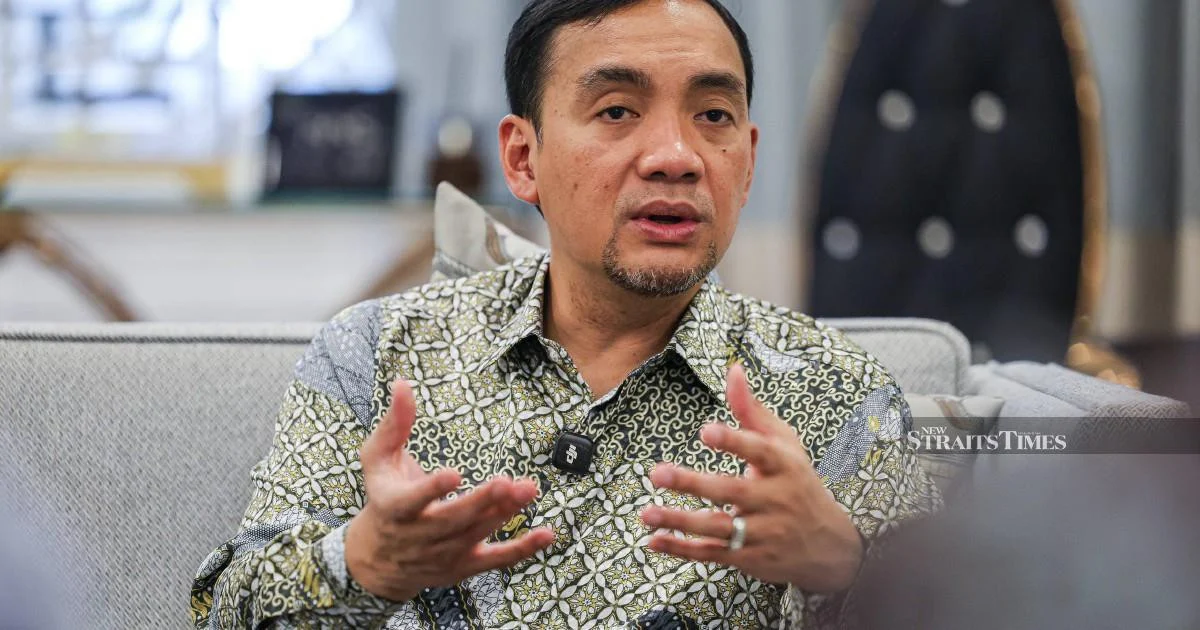
Johor Barisan Nasional is poised to unveil its complete candidate roster for the upcoming state election, with the announcement expected on Saturday. Menteri Besar Onn Hafiz confirmed that the process of selecting representatives is drawing to a close, with the finalised list to be presented by week's end. This timeline underscores the advanced stage of preparation within the coalition as it moves towards the electoral contest, signalling that deliberations among party leadership have reached their concluding phase.
The deployment of a candidate line-up represents a critical juncture for the state's leading political coalition. The selection process involves weighing numerous factors including incumbency records, grassroots support, demographic fit within constituencies, and the need to maintain internal party balance. In Johor, where Barisan Nasional has historically dominated electoral outcomes, the choice of candidates carries substantial weight in determining both individual seat prospects and the broader coalition's performance.
For Malaysian political observers, the Johor announcement takes on additional significance given the state's role as a bellwether within the federal system. The state's electoral dynamics often mirror or influence national political trends, making its results closely monitored by federal leadership and opposition strategists alike. A strong performance in Johor would provide momentum and confidence heading into potential federal contests, whereas setbacks could reshape the calculus of political alignments at the national level.
The timing of the announcement reflects standard practice within Malaysia's election cycles, where established coalitions typically front-load their candidate disclosures to maximise preparation time for grassroots campaigning. This Saturday reveal provides approximately two weeks for selected candidates to consolidate their campaign machinery, secure volunteer networks, and establish their ground presence before intensive campaigning commences. The relatively compressed timeline underscores the urgency with which Barisan Nasional is moving forward.
Candidacy decisions in Johor carry particular weight given the state's economic significance and population density. Constituencies spanning urban centres, suburban developments, and rural areas each present distinct electoral challenges and opportunities. Urban constituencies may prioritise candidates with professional credentials and commercial ties, while rural and semi-rural seats often favour candidates with longstanding community connections and demonstrated advocacy for agricultural or development interests. The coalition must therefore balance these varied demands across its slate.
Within Johor's Barisan Nasional structure, the delegation of candidate selection reflects the delicate negotiations between component parties—primarily UMNO, MCA, and MIC—alongside regional representatives and party grassroots. UMNO, as the largest component, typically secures the majority of candidacies, but the mathematics of seat allocation requires careful consideration of coalition partners' expectations and electoral viability. Any perception of unfair distribution could destabilise internal cohesion precisely when unified messaging and coordinated campaigning are essential.
The Malaysian political landscape has undergone substantial shifts over the past five years, with voter sentiment increasingly volatile and traditional voting patterns less predictable than previously. This volatility makes candidate selection more challenging, as selectors must identify individuals capable of performing in their designated constituencies while also contributing to collective coalition messaging. The selection of fresh faces versus retaining experienced incumbents requires strategic calculation about which approach best positions Barisan Nasional for success.
For Johor's diverse electorate, the candidate line-up will signal the coalition's prioritisation of different community segments and policy directions. The inclusion or exclusion of particular candidates, alongside their positioning within the list hierarchy, will communicate subtle messages about Barisan Nasional's strategic vision for the state's future. This communication operates at multiple levels—symbolic, practical, and deeply rooted in communal and sectional politics.
The Saturday announcement will likely occur at a formal event featuring senior Barisan Nasional leadership, including federal-level figures and state luminaries. Such occasions typically include speeches reaffirming the coalition's commitment to development, governance effectiveness, and community welfare. Opposition parties will immediately scrutinise the slate, seeking vulnerabilities or opportunities to contest seats they view as winnable, setting the tone for the competitive campaign period ahead.
As this announcement approaches, attention within Johor's political circles has intensified regarding which sitting representatives will be retained, which will be moved to different constituencies, and which will be replaced entirely. Transitions in candidacy invariably generate speculation and occasionally controversy, particularly if respected figures are bypassed or if demographic shifts appear to disadvantage particular communities. Managing these perceptions will be critical to maintaining internal solidarity during the campaign.
The revelation of Johor Barisan Nasional's candidate roster will simultaneously activate opposition campaign strategies, particularly among Pakatan Harapan components which have substantial presence in the state. Opposition strategists will analyse seat-by-seat matchups, identify specific constituencies where their candidates might perform competitively, and refine messaging to target swing voters and coalition-sceptical communities.
Looking beyond Saturday's announcement, the true test of Barisan Nasional's preparations will emerge once campaigning commences in earnest. Candidates' ability to mobilise voters, respond to community concerns, and project coherent messaging will determine whether leadership's selection judgements prove strategically sound. The coming weeks will reveal whether Johor remains securely within Barisan Nasional's grasp or whether electoral terrain has shifted in ways that threaten the coalition's historical dominance.