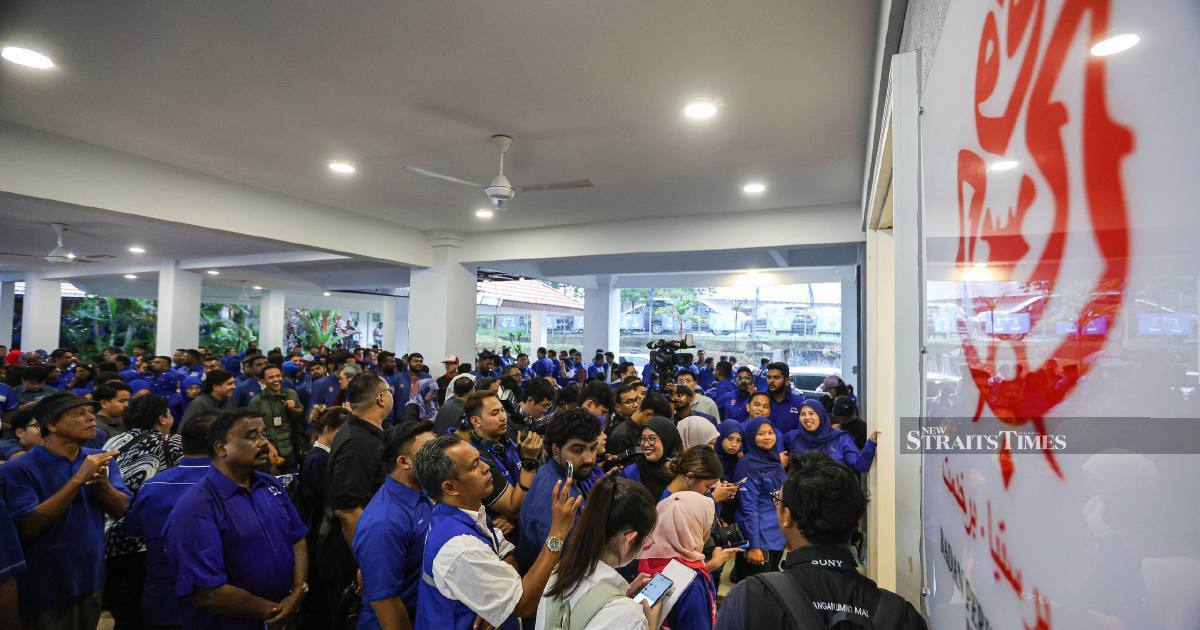
Johor's political landscape is shifting into campaign mode as Barisan Nasional formally unveiled its candidate lineup for the state's 16th general election, with an energized gathering of senior coalition figures and party loyalists at the Umno headquarters in Johor Baru. The occasion marks a pivotal moment in the state's electoral cycle, with the coalition's decision to publicly present its full slate signalling both confidence in its prospects and recognition of the competitive pressures it faces in the battle to retain control of Malaysia's southernmost state.
The atmosphere at the Johor Umno office reflected the significance of the moment, with a palpable sense of anticipation as representatives from across the Barisan Nasional component parties assembled to witness the announcement. The gathering drew not only party brass and political operatives but also hundreds of grassroots supporters and party members, underscoring the mobilization efforts required in contemporary Malaysian electoral contests. Such occasions serve as crucial morale-boosters for party machinery, particularly at a time when both ruling coalitions and opposition camps are ramping up their ground game ahead of polling day.
The candidate selection process for Barisan Nasional in Johor carries particular weight given the state's historical significance as a party stronghold and its current status as a barometer of coalition strength. Johor has long been considered a traditional BN bastion, though recent electoral cycles have witnessed increasing competition and shifting voter demographics that have tested the coalition's organizational capabilities. The composition of the candidate slate reflects strategic calculations about which constituencies are winnable, which are vulnerable, and where the coalition must invest resources to maintain its parliamentary and state assembly majority.
For Malaysian voters observing from other states, Johor's election carries implications that extend well beyond state boundaries. As the most populous state in Peninsular Malaysia outside of Selangor, Johor's electoral outcomes often foreshadow broader patterns in national politics. The state's economy, driven by manufacturing, trade, and increasingly knowledge-based industries, makes it a bellwether for how economic concerns—inflation, employment, and cost of living—influence voter behaviour. The coalition's performance here will provide crucial indicators of whether Barisan Nasional can sustain electoral relevance in an era of fluid coalitions and volatile voter sentiment.
The mobilization evident at the announcement event also reflects the intense organizational competition between Barisan Nasional and its rivals for control of state institutions and patronage networks. In Malaysian politics, state-level elections determine not only legislative representation but also control over significant development funds, licensing authorities, and land administration—resources that shape regional economic opportunities and political influence. Johor's election is therefore a contest with tangible stakes for both the ruling coalition and opposition formations seeking to leverage government machinery.
Barisan Nasional's strategic approach in Johor has traditionally rested on deploying economic incentives, community development initiatives, and assertions of stability and competent administration. The coalition's ability to retain the state will depend partly on whether these traditional strengths resonate with voters amid economic pressures and whether it can effectively counter opposition narratives about governance, accountability, and political renewal. The candidate selections announced at the gathering represent the human face of these competing strategies—individuals chosen for their perceived ability to mobilize voters, manage local constituencies, and represent party interests in the state assembly.
The timing of the candidate announcement also signals confidence in Barisan Nasional's electoral machinery and internal coordination, particularly given that coalition politics in Malaysia often involves negotiations between Umno, MCA, MIC, and other component parties over seat allocation and campaign resources. Successfully presenting a unified candidate slate before the opposition has fully crystallized its own nominations can provide psychological advantage and momentum, though such benefits typically dissipate once campaigning intensifies and voters turn their attention to substantive policy differences and leadership records.
For observers tracking Malaysian political dynamics, the Johor announcement warrants attention to which constituencies received competitive or non-competitive candidacies, whether new faces or established politicians received nominations, and how the coalition balanced regional representation and factional interests within the party structure. These details often reveal as much about internal party calculations and elite consensus as they do about the coalition's genuine electoral prospects. The enthusiasm evident at the headquarters gathering may reflect genuine organizational vitality, or it may mask internal divisions and strategic disagreements that only become apparent once campaigning commences.
The convergence of Barisan Nasional's senior leadership and grassroots supporters for the candidate announcement also underscores how Malaysian electoral politics remains deeply personalized, with voters often making decisions based on familiar faces, local connections, and perceptions of individual leaders rather than abstract policy platforms. The candidates presented at the event carry their own political histories, constituency records, and personal networks—factors that may prove decisive in closely contested marginal seats where election outcomes often hinge on individual performance rather than national swings.
Looking forward, Johor's election campaign will likely intensify across all platforms as opposition coalitions finalize their own candidate selections and both camps begin the serious work of voter persuasion through rallies, grassroots canvassing, and increasingly through social media engagement. The state election represents an important test of Barisan Nasional's ability to sustain coalition governance at the state level while also providing opposition parties an opportunity to demonstrate that alternatives to the traditional ruling formation remain viable and capable of delivering development and good governance. For Malaysian voters across the country, the Johor campaign and eventual results will offer valuable indicators of how political preferences are shifting and which issues matter most to voters in the current economic and social environment.

