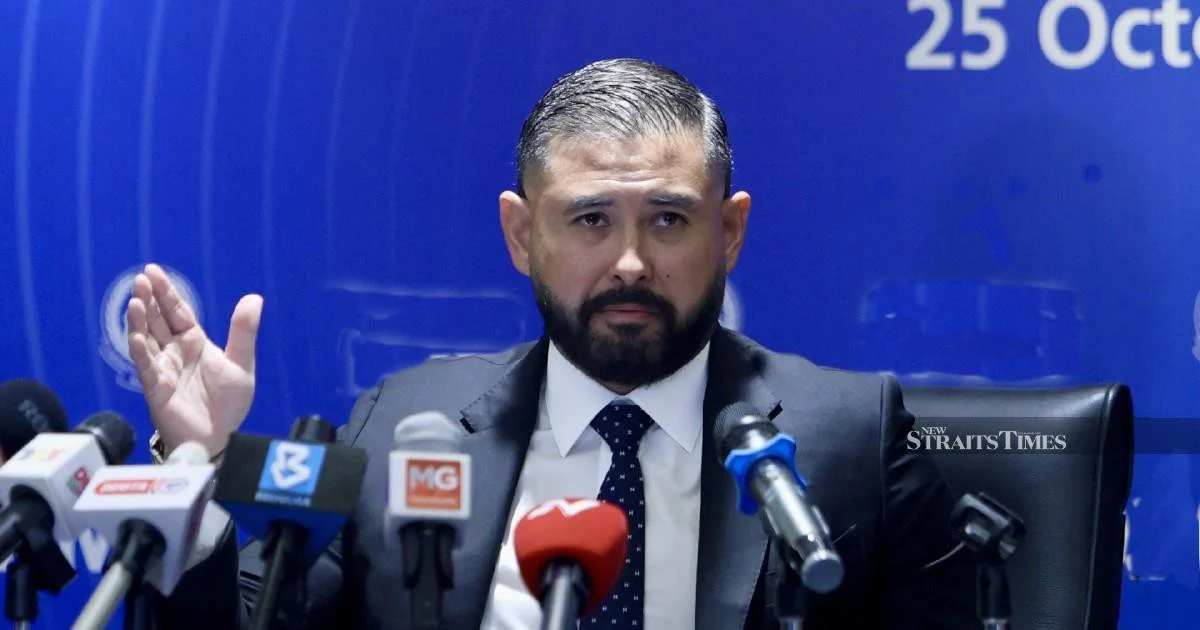
Johor's Regent Tunku Ismail Sultan Ibrahim has challenged the Prime Minister's recent assessment that the sultanate is a prosperous state undermined by substantial financial leakages, arguing instead that the federal government itself is responsible for preventing the state from retaining its rightful revenue streams. The dispute highlights growing tensions between Kuala Lumpur and one of Malaysia's wealthiest and most strategically important states regarding the distribution of national resources and the autonomy of state finances.
The Regent's rebuttal represents a significant pushback against the federal narrative that has characterised Johor's financial difficulties as stemming from internal inefficiencies and corruption within state institutions. By redirecting accountability toward federal mechanisms and policies, the Palace is signalling that Johor views its revenue challenges not as a management failure but as a systemic issue rooted in how the federal government allocates and controls national resources.
Understanding the context of this dispute requires recognition of Johor's unique position within Malaysia's federal structure. As the nation's second-largest economy by state gross domestic product and a major contributor to federal coffers through oil and gas revenues, port operations, and other commercial activities, Johor has long navigated a complex relationship with the federal centre. The state generates substantial wealth, yet the mechanisms through which revenues flow and are redistributed have historically favoured federal consolidation of control.
The tension between Johor and the federal government reflects broader constitutional questions about fiscal federalism in Malaysia. Under the Federal Constitution, certain revenue sources and tax powers are reserved for the federal government, while others fall within state jurisdiction. However, the boundaries between these domains have become increasingly blurred through various federal mechanisms, tax-sharing arrangements, and the creation of federal authorities that operate within state territories, effectively capturing revenues that might otherwise accrue to state governments.
The Regent's emphasis on federal policies blocking fair revenue returns suggests Johor's leadership views the problem as structural rather than operational. This distinction carries significant implications for how the state might address its fiscal challenges going forward. Rather than implementing internal reforms to reduce leakages—a response that would accept the Prime Minister's framing—Johor appears intent on advocating for revised federal arrangements that would grant the state greater control over its economic assets and revenue streams.
For Malaysian readers and Southeast Asian observers, this dispute illustrates how centre-periphery tensions can emerge even within relatively stable federal systems. Wealthy states often chafe under arrangements they perceive as inequitable, particularly when federal authorities appear to benefit disproportionately from natural resources or strategic commercial activities located within state boundaries. Johor's assertiveness reflects a pattern common across federal systems where economically significant regions seek greater autonomy and fairer benefit-sharing arrangements.
The disagreement also carries political implications that extend beyond fiscal policy. The Regent's public challenge to the Prime Minister's characterisation represents a form of political positioning that strengthens Johor's hand in any future negotiations with the federal government. By framing the issue as federal overreach rather than state mismanagement, the Palace sets the terms of public debate and establishes a narrative foundation for demanding institutional changes.
Regional competitiveness adds another dimension to this conflict. As Johor competes with Singapore for investment and economic primacy in the southern Peninsular region, the state's ability to offer favourable business conditions and reliable governance depends partly on its fiscal capacity. If revenues generated within Johor are being diverted or controlled by federal authorities, the state's competitive positioning could be compromised, affecting its ability to invest in infrastructure, education, and services that attract business and talent.
The dispute also reflects the evolving relationship between traditional institutions and democratic governance in Malaysia. The Regent's intervention in what might traditionally be considered political-administrative matters demonstrates the continued relevance and influence of the Malay-Muslim establishment in state affairs, even as questions about the distribution of power between monarchical, executive, and legislative branches remain contested.
For policymakers and investors monitoring Malaysia's economic trajectory, this Johor-federal government disagreement warrants attention. States that feel financially constrained by federal arrangements may become less capable of funding social services, infrastructure maintenance, and development projects. This could have cascading effects on regional economic performance and public satisfaction with governance.
Moving forward, the intensity of this dispute suggests that Johor's leadership will likely persist in pressing for reforms to revenue-sharing arrangements and greater control over assets and economic activities within its borders. Whether the federal government responds through negotiated concessions or seeks to reinforce existing arrangements will significantly influence centre-state dynamics across Malaysia and potentially affect inter-state relations more broadly.
The Regent's articulate rejection of the leakage narrative demonstrates that Malaysia's wealthier states are increasingly willing to challenge federal claims and propose alternative interpretations of fiscal realities. How these tensions resolve will matter not only for Johor's development prospects but also for the broader question of how Malaysia balances federal unity with the legitimate interests and aspirations of its constituent states.

