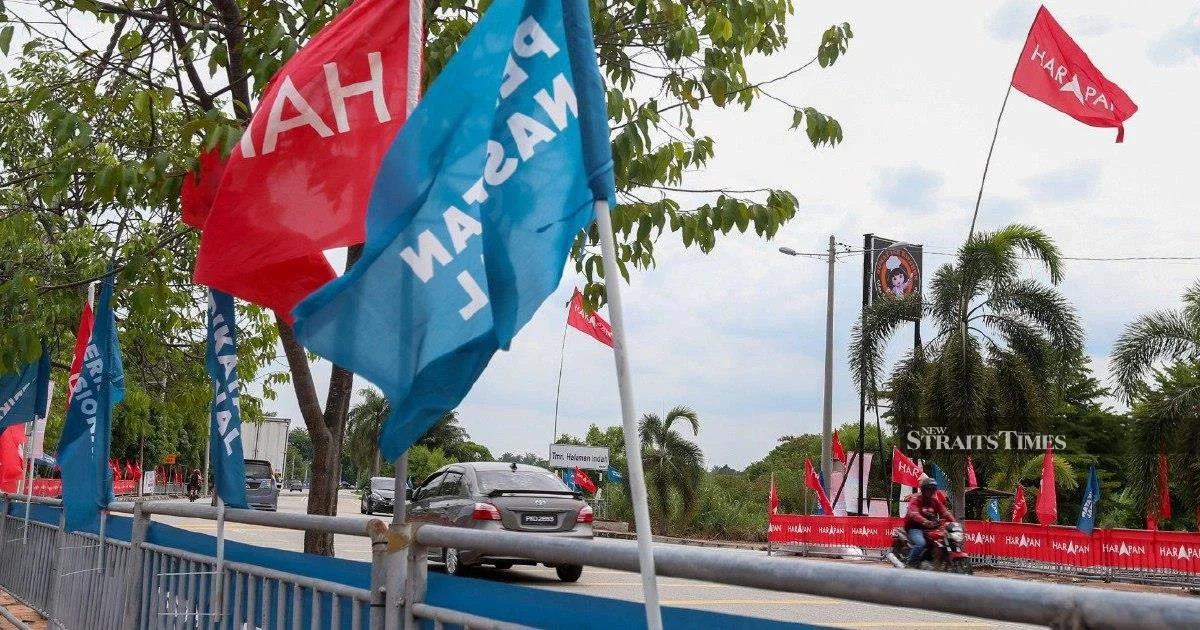
The 16th Johor state election campaign enters its critical opening phase today as nomination day unfolds simultaneously across all 56 state constituencies, setting in motion one of Malaysia's most closely watched electoral contests. The staggered nomination period marks the formal transition from pre-election manoeuvring to the structured campaign schedule, requiring each political party to formally register their candidates through returning officers stationed in constituencies throughout Johor Baru and across the state.
This electoral cycle carries particular significance for Malaysian politics given Johor's status as the country's second-most populous state and its traditional role as a political bellwether. With 56 seats contested, the election will provide a comprehensive picture of voter sentiment across the full spectrum of Johor's socioeconomic and demographic makeup, from urban centres to rural agricultural areas. The state's result often influences calculations at the federal level, making nomination day symbolically important beyond Johor's borders as political analysts and strategists observe which parties are contesting which seats and how alliances have shifted since the previous election cycle.
The concurrent nomination process across all constituencies reflects the administrative efficiency required to manage simultaneous campaigns in a state as geographically dispersed as Johor, which stretches from Mersing in the east to Pontian in the west. Returning officers have coordinated logistics to ensure that candidates can submit nomination papers, supporting documents, and financial deposits within the prescribed timeframe across their respective constituencies. This centralised approach eliminates staggered nomination periods that might otherwise create unequal campaign advantages or media attention imbalances between early and late contests.
Political parties have spent preceding weeks strategising candidate selections, balancing factional interests with electoral viability assessments. The nomination day results will reveal the outcome of these internal deliberations, including which incumbent assemblymen have been retained, which have been dropped, and which new faces have received party endorsement. These decisions often spark controversy within party structures, as ambitious politicians jostle for nomination tickets while party leadership weighs incumbents' performance records against fresh challengers' potential appeal.
Johor's electoral composition presents distinct challenges and opportunities for competing coalitions. The state encompasses constituencies with diverse voter demographics—urban Johor Baru with its professional and business-oriented electorate, industrial areas like Pasir Gudang facing economic concerns, traditional Malay-Muslim dominated rural constituencies, and mixed-income suburban zones. Parties must calibrate their candidate selections to appeal to these varied constituencies while maintaining coherent messaging across the state.
The incumbent Barisan Nasional government will be defending its hold on the state apparatus, though its electoral performance has fluctuated in recent years amid broader shifts in Malaysian politics. Opposition coalitions, including Pakatan Harapan and other groupings, view this election as an opportunity to challenge BN's traditional Johor fortress. The nomination day configuration will indicate whether opposition parties are presenting unified challenges in key constituencies or pursuing fragmented strategies that might split anti-government votes.
Timing considerations also feature prominently in this election cycle. The nomination day announcement comes against a backdrop of Malaysian political developments at the federal level, including parliamentary dynamics and cabinet compositions that influence state-level calculations. Some analysts suggest that strong Johor election performance could signal momentum for federal-level shifts, while others emphasise the state's independent political tradition and voter priorities distinct from national headlines.
The financial implications of running state-wide campaigns are substantial, requiring parties to marshal resources for campaign machinery, advertising, grassroots mobilisation, and candidate support across 56 separate contests. Nomination day marks the beginning of expenditure requirements, as campaigns accelerate from this point forward. Campaign finance regulations will constrain spending levels, though enforcement mechanisms remain subject to ongoing debate about adequacy and impartiality.
Medial coverage intensity will inevitably increase from nomination day onward, as journalists focus on candidate profiles, policy platforms, and electoral predictions. The nomination day itself will generate stories about which candidates have successfully registered, which seats face multi-cornered contests, and which constituencies present particularly competitive matchups. These narratives will shape public discourse throughout the campaign period leading toward polling day.
For Malaysian voters in Johor, nomination day represents the formal opening of their decision-making window. From this point, candidates will be actively campaigning in constituencies, presenting platforms and seeking voter commitment. The stakes extend beyond Johor's borders, as political movements at the state level often presage broader Malaysian electoral trends and coalition dynamics. The nomination day results will provide the first concrete indicator of how parties are positioning themselves for this significant contest.

