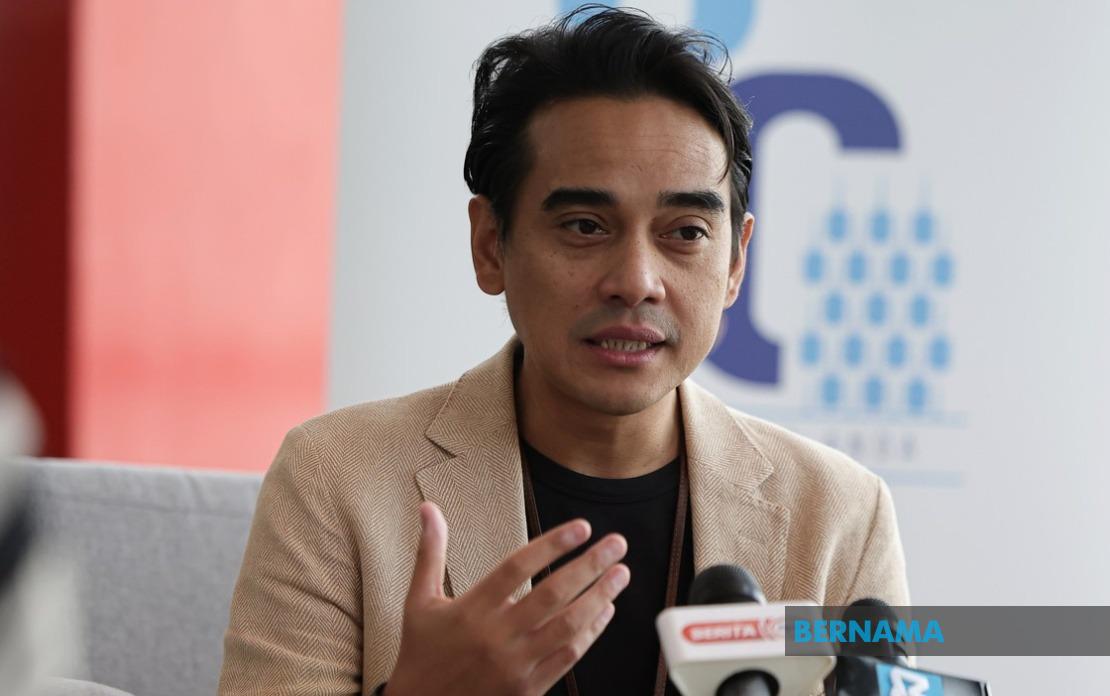
The rapidly transforming media landscape demands that journalists acquire proficiency in artificial intelligence tools, according to Ashwad Ismail, Director-General of Broadcasting. Speaking during an appearance on Bernama TV's The Nation programme, Ismail cautioned that media practitioners who ignore technological advancement risk professional obsolescence, though he stressed that this outcome remains within each journalist's control.
Ismail's perspective reframes the pervasive anxiety surrounding AI in newsrooms across the region. Rather than positioning artificial intelligence as an existential threat to the profession, he characterises the technology as an instrument that augments rather than replaces human journalistic capability. This distinction carries significant weight for Malaysian media professionals grappling with automation concerns. The central challenge, he argued, involves acquiring the competency to deploy AI strategically rather than resisting its integration wholesale. A journalist equipped with strong traditional skills but lacking technological fluency will eventually find themselves competing with peers who have successfully married both capabilities.
The competitive dynamic Ismail described operates at the individual level within newsrooms. He articulated this through a pointed observation: robots will not supplant journalism as a profession, but individual journalists lacking AI literacy will be displaced by colleagues who maximise the technology's potential. This formulation carries particular urgency for Southeast Asia's media sector, where newsroom resources remain constrained and efficiency gains through intelligent automation hold substantial appeal to cash-strapped publishers. The stakes are therefore personal and immediate rather than abstract.
Simultaneously, Ismail emphasised that technological adoption must occur within an ethical framework. He argued for the establishment of transparent guidelines governing AI deployment in newsrooms across Malaysia and potentially the broader ASEAN region. These frameworks would prevent the technology from being wielded in ways that undermine journalistic integrity or reduce editorial quality. The concern reflects legitimate questions about algorithmic bias, automated content generation that lacks human verification, and the risk that news organisations might prioritise efficiency gains over accuracy. Without governance structures, AI adoption could erode the credibility that news organisations depend upon for audience trust.
Ismail linked the AI question directly to journalism's foundational purpose. He contended that artificial intelligence should enhance journalistic products and strengthen newsroom capacity rather than diminish them. This approach assumes that AI tools will be deployed thoughtfully by professionals who understand both technology and the ethical obligations inherent in reporting. In practice, this means using AI for routine data analysis, story research, initial draft generation for clearly factual content, and audience analytics rather than allowing algorithms to make editorial judgments or determine story selection.
The broader context for Ismail's remarks extends beyond technical implementation. He identified what he characterised as troubling industry trends: the reluctance of media practitioners to adapt to technological change and the corresponding risk of job losses throughout Malaysian news organisations. These concerns reflect real pressures facing the sector, where advertising revenue migration to digital platforms has created financial strain, and where layoffs have reduced newsroom capacity. Artificial intelligence adoption presents both a threat and a potential solution to these pressures, depending on how the transition is managed.
Ismail's second major theme addressed the restoration of public trust in news media, a critical challenge across Southeast Asia. He advocated returning to journalism's fundamental practices, with particular emphasis on hyperlocal reporting that maintains direct connection to communities. This represents an implicit argument that in an age of algorithmic content delivery and massive news aggregation platforms, local news retains distinctive value. Communities benefit from journalists who understand local context and maintain regular engagement with residents and civic leaders. This proximity creates accountability relationships that algorithm-driven national or international reporting cannot replicate.
The human dimension of journalism emerged as central to rebuilding trust. Ismail stressed that the personal touch matters fundamentally to audience confidence in news organisations. Readers and viewers increasingly recognise AI-generated or algorithm-curated content, and many express reservations about news presented without visible human editorial judgment. In this environment, the authenticity that comes from recognisable journalists maintaining community relationships becomes a competitive asset rather than a nostalgic remnant of earlier media eras. For Malaysian news organisations navigating trust deficits, this suggests that investment in visible, accountable human journalism may complement rather than conflict with technological advancement.
These remarks coincided with preparations for HAWANA 2026, a substantial gathering of media professionals from Malaysia and across ASEAN. The event, scheduled for June 20 at PICCA Convention Centre at Arena Butterworth in Penang, will be formally opened by Prime Minister Datuk Seri Anwar Ibrahim. With more than 1,200 expected attendees including media practitioners and ASEAN delegates, the conference provides an important platform for regional discussion of journalism's future amid technological disruption. Ismail's emphasis on responsible AI integration and trust-building through community engagement reflects concerns that likely resonate across the region's increasingly digital media ecosystem.
For Malaysian journalists and news organisations, Ismail's message offers a pragmatic middle path. Rather than either embracing AI uncritically or resisting it reflexively, the approach he outlined demands active engagement with the technology within an ethical framework designed to strengthen journalism. This requires investment in training, development of clear institutional guidelines, and commitment to the human relationships and local reporting that differentiate credible news from algorithmic content generation. Success in this transition will likely determine which news organisations prosper or struggle in the coming decade.

