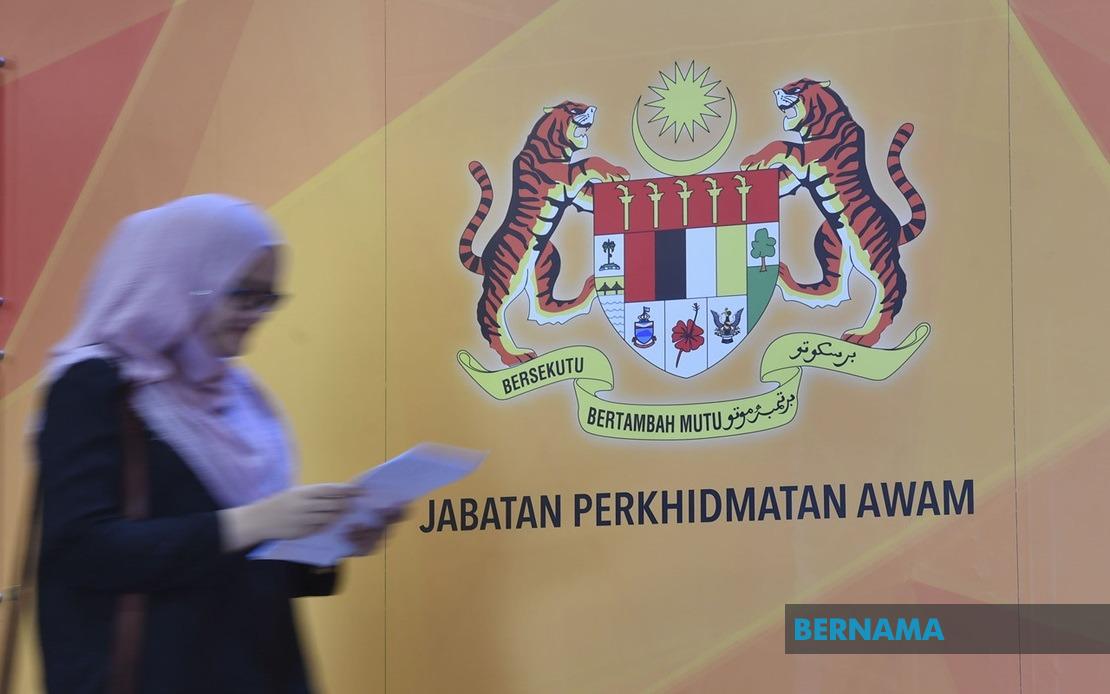
The Public Service Department has announced a substantial expansion in educational opportunities for the upcoming cohort of Form Five graduates, making available 640 sponsorship slots to support their tertiary studies. This announcement, made in late June, signals the government's commitment to nurturing a cadre of highly skilled professionals capable of meeting Malaysia's evolving economic needs across multiple sectors.
The initiative reflects the MADANI Government's broader vision of cultivating world-class talent equipped to propel the nation forward and strengthen its standing in global markets. By investing in scholarships for top-performing students, JPA demonstrates how strategic human capital development remains central to Malaysia's long-term competitiveness, particularly as the country navigates technological advancement and evolving labour market demands.
The sponsorship portfolio comprises four distinct pathways tailored to different student profiles and career ambitions. The National Sponsorship Programme provides 30 slots for the most accomplished candidates, while the Special Programme for Japan, Korea, France and Germany allocates 140 positions, reflecting Malaysia's strategic partnerships with these developed nations. The Special Programme for Domestic SPM Graduates offers 200 slots for students choosing to remain in Malaysia, and the JPA-MARA Special Programme contributes a substantial 270 slots, demonstrating the government's confidence in domestic educational capacity alongside international opportunities.
The disciplinary focus of these scholarships emphasises strategic national priorities. Recipients may pursue studies in engineering, science and technology fields where Malaysia faces acute skills shortages and where future economic growth depends heavily on domestic expertise. Equally important are social science disciplines, recognising that sustainable development requires professionals trained in policy, economics, governance and public administration. This balanced approach suggests the government's understanding that national progress demands both technical innovation and institutional capability.
The geographic distribution of study destinations underscores Malaysia's multi-directional engagement with leading educational systems. While traditional destinations like the United States, Australia and the United Kingdom remain prominent, the allocation of 140 slots specifically for Japan, South Korea, France and Germany indicates a strategic pivot toward strengthening ties with East Asian technology leaders and European innovation hubs. This diversification allows Malaysian students to absorb different approaches to problem-solving and contribute to bilateral knowledge exchange.
For candidates who have already submitted applications, the results became accessible beginning 10 am on announcement day, with the submission window closing by 5 pm on June 22. This compressed timeline reflects JPA's streamlined administrative processes, though it places considerable emphasis on applicants' punctuality in reviewing outcomes. The online results system represents technological modernisation in Malaysia's public sector, enabling rapid and equitable access to critical information for thousands of aspiring scholars across the nation.
A significant innovation accompanying this sponsorship round is the Academic Merit-Based Convertible Loan introduced by JPA in June 2025. This financing mechanism represents a departure from traditional fully-funded scholarships, instead linking funding to continued academic excellence. Recipients must maintain strong performance throughout their studies, with the loan potentially converting to grant status upon meeting rigorous standards. This approach creates incentive structures encouraging serious engagement with studies rather than passive scholarship consumption.
The convertible loan model carries important implications for recipient sustainability and equity. While demanding accountability from scholars, the mechanism also provides a safety net for students who encounter unexpected difficulties, potentially converting portions of their debt to grants upon demonstrated perseverance. This hybrid approach reflects contemporary thinking about balancing public investment efficiency with compassion for student circumstances beyond individual control.
For Malaysian families contemplating their children's educational future, these 640 positions represent a transformative opportunity amid rising tertiary education costs. Access to internationally-ranked institutions or prestigious domestic universities through full sponsorship removes significant financial barriers that might otherwise constrain talented students from modest backgrounds. The emphasis on merit-based selection theoretically ensures that talent, not family wealth, determines access to elite education.
From a regional perspective, Malaysia's continued investment in overseas education demonstrates confidence in its young population's ability to compete globally while maintaining confidence in domestic institutions. The distribution between overseas (370 slots through international programmes) and domestic (200 slots) placements suggests a healthy balance, avoiding both brain drain concerns and insularity. Regional peers in Southeast Asia watching Malaysia's scholarship patterns may note how the nation calibrates global integration with domestic institution-building.
The timing of this announcement, following nearly a decade of evolving government scholarship policies, signals renewed emphasis on direct state investment in human capital formation. As Malaysia confronts challenges from artificial intelligence, green energy transitions and sophisticated manufacturing, ensuring that talented youth access world-class education across multiple disciplines becomes strategically essential. The 640 slots, while substantial, represent merely the beginning of what educational analysts argue must become an expanding pipeline to maintain competitiveness.
For successful applicants embarking on this journey, whether to Seoul or Sheffield, to Singapore or Sydney, the scholarships represent more than financial support. These opportunities carry implicit expectations that recipients will eventually contribute to Malaysia's development, bringing back international perspectives and technical expertise. The societal return on investment in these scholarships ultimately depends on retaining and effectively deploying this talent within Malaysia's economy and institutions.

