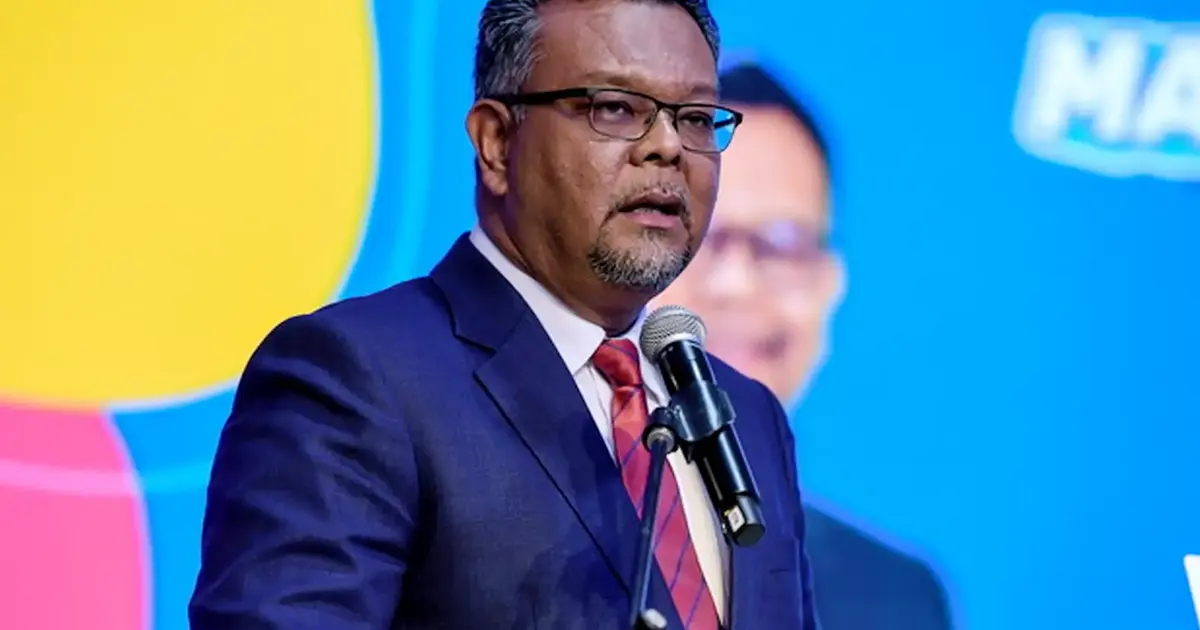
A Kedah state executive councillor is set to face formal charges tomorrow stemming from allegations linked to university admission procedures, marking an escalation in a dispute that has drawn scrutiny to educational pathway practices in the northern state. The development signals mounting legal consequences for officials implicated in matters touching on higher education access and institutional accountability.
Haim Hilman Abdullah, the executive councillor in question, has maintained a resolute stance throughout the controversy, declaring his determination to persist in voicing concerns until what he characterises as the full truth comes to light. His commitment to continued public statements despite impending legal action underscores the contentious nature of the allegations and his apparent conviction regarding their legitimacy. The councillor's resolve suggests he views the charges as attempts to silence discussion rather than legitimate legal proceedings, a narrative that may resonate with certain political constituencies.
The charges relate to claims encompassing university admission mechanisms, a domain increasingly under public scrutiny across Malaysia as concerns mount regarding transparency and fairness in tertiary education access. Such allegations carry particular weight given that educational opportunities represent foundational elements determining career trajectories and social mobility for countless young Malaysians. When state-level officials become entangled in controversies touching these systems, broader questions emerge about institutional integrity at both state and national levels.
University admission procedures have become politically charged terrain throughout Malaysia, with competing claims about merit-based selection, quota systems, and preferential treatment generating heated debate. The Kedah matter reflects broader tensions within Malaysia's education landscape, where questions of equity, efficiency, and political influence frequently intersect. For readers in other Southeast Asian nations, Malaysia's struggles with educational access serve as cautionary tales regarding the challenges of maintaining institutional independence when political pressures mount.
The timing of these charges carries political significance, arriving at a moment when state administrations across Malaysia face heightened scrutiny regarding governance standards. Kedah's political landscape has experienced substantial shifts in recent years, and this development may reflect ongoing factional dynamics within the state apparatus. Executive councillors occupy positions of considerable influence over state-level policy implementation, making allegations against them matters of genuine public concern rather than peripheral controversies.
Haim Hilman Abdullah's determination to maintain his public advocacy despite legal jeopardy suggests confidence in his position and potentially indicates broader political backing within certain quarters. Officials willing to face legal consequences while continuing to speak out typically possess either substantial conviction regarding their claims' validity or assurance that political allies will eventually vindicate them. His stance also carries implications for how other officials throughout Malaysia might respond to similar pressures, potentially influencing broader patterns of accountability or, conversely, entrenchment within political networks.
The intersection of politics and higher education administration reveals underlying tensions within Malaysia's governance structures. University admission systems theoretically operate according to established criteria, yet their actual functioning frequently reflects political considerations and regional interests. When allegations emerge suggesting improper interference, they highlight the difficulty of maintaining administrative impartiality within fundamentally political institutional environments. Kedah, as a state with distinct political characteristics compared to federal-level governance, provides a particular vantage point for understanding how these tensions manifest at different administrative levels.
For prospective university students and their families throughout Malaysia and the region, developments such as these fuel existing anxieties about whether admission processes genuinely reflect merit and aptitude or whether invisible networks of political connection determine outcomes. The publicity surrounding formal charges against an executive councillor, regardless of their ultimate outcome, reinforces impressions that educational pathways may be contested terrain where political influence operates behind official procedures. This perception, whether entirely accurate or not, shapes how students and parents approach tertiary education planning.
The decision to proceed with charges tomorrow represents a critical juncture in this controversy. Formal charges carry substantial implications for Haim Hilman Abdullah's political future and his continued ability to serve in his executive position. Malaysian constitutional and administrative law frameworks typically address conflict-of-interest situations involving officials facing serious allegations, creating potential complications for his continued tenure. The nature and severity of charges will determine whether he can realistically remain in office pending trial outcomes or whether immediate resignation might become inevitable.
Observers across Malaysia's political spectrum will monitor this situation closely, as the charges' specific content and the evidence presented will illuminate broader questions about university admission practices and potential irregularities. If substantiated allegations emerge, they could trigger wider investigations into similar practices elsewhere in Malaysia's higher education system. Conversely, if charges ultimately prove unfounded or politically motivated, the case becomes an example of how institutional processes might be weaponised against inconvenient political voices, reinforcing narratives about selective enforcement and institutional capture.
The broader implications extend beyond Kedah's borders. Southeast Asian nations grappling with similar challenges regarding educational equity and administrative integrity may observe how Malaysian authorities handle this situation and the precedents it establishes for official accountability. Haim Hilman Abdullah's continued assertions of truth-seeking despite legal challenges represent a particular model of political resistance that carries relevance throughout the region, illustrating how officials navigate tensions between institutional loyalty and public accountability demands.

