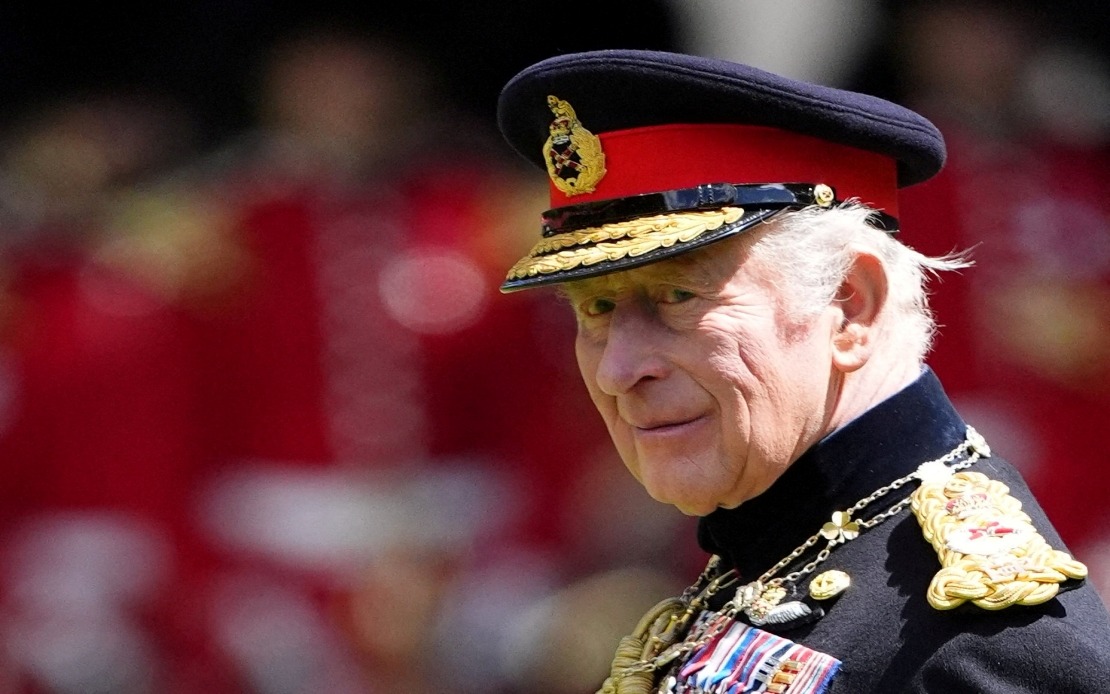
In a significant departure from centuries of royal precedent, King Charles III has become the first reigning British sovereign to publicly reveal his personal tax payments, a move that underscores the monarchy's evolving approach to financial accountability. Buckingham Palace announced on Thursday that the king paid £12.9 million (approximately US$17 million) during the 2024-2025 tax year, marking a watershed moment in the relationship between the Crown and public financial disclosure.
The revelation represents a carefully orchestrated step toward transparency that extends well beyond the traditional confidentiality surrounding royal finances. Prior to his accession to the throne in September 2022, Charles had already begun publishing tax information during his decades-long tenure as Prince of Wales, but the shift to disclosing figures as a reigning monarch carries considerably greater significance. The palace released the information alongside a comprehensive document outlining the various revenue streams that sustain the Royal Household, demonstrating a conscious effort to demystify an institution often shrouded in financial opacity.
Under the current tax arrangements, which originated in the 1990s, King Charles III voluntarily contributes income tax and capital gains tax despite British monarchs being legally exempt from such obligations. This voluntary arrangement represents a crucial distinction—the king operates under a self-imposed obligation rather than legal compulsion, a nuance that underscores the tension between royal prerogative and democratic expectations of accountability. Since assuming the throne, his total tax contributions have exceeded £30 million, with the previous tax year showing a payment of £11.7 million, demonstrating the significant financial commitment the monarch makes to the exchequer.
The king's taxable income derives from multiple sources, most notably his personal investments and two privately owned estates: Balmoral in Scotland and Sandringham in Norfolk. These assets generate returns that are subject to taxation, distinguishing them from the officially owned Crown Estate, which operates under separate arrangements. This distinction is vital for understanding royal finances—the distinction between state-owned properties managed on behalf of the nation and the monarch's personal wealth. The revenue from these personal holdings exclusively funds Charles's private expenditures, a separation that has become increasingly important for maintaining the crown's legitimacy during an era of heightened public scrutiny over elite financial arrangements.
James Chalmers, the keeper of the Privy Purse, characterised the disclosure as part of a broader effort to communicate the underlying principles governing royal finances to the public. His statement emphasised that while the system may appear convoluted on the surface, it operates according to established legal frameworks that have been refined over generations. This framing reflects the palace's recognition that transparency serves as essential insulation against conspiracy theories and accusations of financial impropriety. By proactively releasing figures and explanatory documentation, the Royal Household positions itself ahead of potential criticism and demonstrates a willingness to engage with contemporary standards of institutional accountability.
For Southeast Asian observers, the British monarchy's evolution toward financial transparency holds interesting implications. Many Commonwealth nations, including Malaysia, maintain formal links to the Crown, and the UK's institutional arrangements often influence expectations around governance and accountability in these jurisdictions. The precedent set by King Charles III—that even the most ancient and traditionally secretive institutions can adapt to modern demands for openness—carries symbolic weight beyond Westminster. It signals that institutional legitimacy increasingly depends upon demonstrating financial probity rather than relying solely upon historical authority and mystique.
The voluntary tax-paying arrangement reflects a delicate balance between maintaining the monarchy's independence—a core principle of British constitutional law—and acknowledging public expectations that no individual, regardless of status, should exist entirely outside the tax system. By choosing to pay taxes despite legal exemption, King Charles III implicitly accepts that contemporary democratic norms require visible financial accountability from even the highest offices. This represents a significant psychological shift in how the monarchy positions itself in relation to ordinary citizens, many of whom have grown accustomed to detailed scrutiny of public finances across government.
The timing of this disclosure, released amid broader discussions about the cost of the monarchy and its relevance in modern Britain, suggests a strategic calculation by palace advisors. Public opinion on the royal family has shown volatility in recent years, with younger generations questioning whether the institution represents value for money. By proactively releasing tax figures before being compelled to do so, the palace attempts to control the narrative and demonstrate that the sovereign takes financial responsibility seriously. This approach reflects lessons learned from similar transparency initiatives across other European monarchies, which have generally found that openness regarding finances builds public confidence more effectively than maintaining secrecy.
The broader context of royal finances extends beyond the monarch's personal contributions. The Royal Household receives substantial funding through the Sovereign Grant, a publicly financed arrangement that replaced the Civil List in 2012. The palace also manages significant property portfolios and derives income from the Crown Estate, a sprawling asset base that generates revenue flowing back into the Treasury. Understanding the king's personal £12.9 million tax payment requires situating it within this larger ecosystem of royal financial arrangements, where multiple funding mechanisms intersect. The disclosure of personal taxation thus represents merely one component of a more comprehensive financial picture.
Looking forward, this precedent may establish expectations that future British monarchs will continue publishing tax information, effectively institutionalising what began as a voluntary gesture by King Charles III. Should this become standard practice, it would represent a fundamental shift in how the institution relates to democratic principles of financial accountability. Other Commonwealth nations and monarchies worldwide may view these disclosures with interest, considering how transparency initiatives might enhance their own institutional legitimacy. For Malaysia and other nations navigating questions about institutional modernisation and accountability, the British monarchy's transparent approach offers instructive lessons about the benefits of adapting traditional institutions to contemporary expectations.

