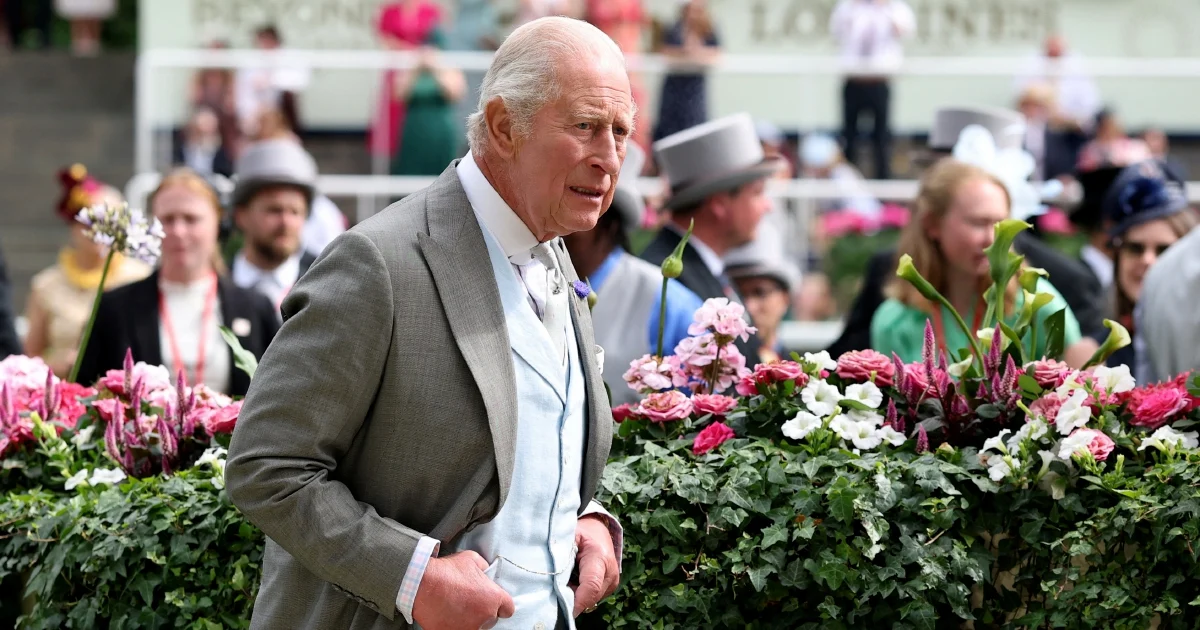
King Charles III will publicly disclose his personal tax bill, Buckingham Palace announced to British media outlets on Saturday, representing a significant step toward greater openness regarding the financial affairs of the British monarchy during a period of heightened public examination of royal wealth and spending.
The decision to voluntarily reveal the sovereign's personal tax obligations signals a deliberate shift in how the palace manages public perception of its finances. Royal institutions have historically maintained considerable opacity around monetary matters, citing privacy and tradition as justifications. This move breaks with that convention and suggests the palace recognises the contemporary demand for accountability from institutions that hold significant cultural and constitutional influence.
The timing of this announcement carries particular weight. Britain has experienced sustained economic strain over recent years, with household costs rising sharply and many citizens struggling with energy bills and living expenses. Against this backdrop, public curiosity about how the monarchy manages its considerable assets and wealth has grown more pointed. By proactively releasing tax information, the palace appears to be addressing concerns about fairness and transparency head-on rather than waiting for criticism to mount.
Royal finances in Britain operate through a complex system involving both public funds and private income. The Sovereign Grant, drawn from public resources, provides a primary source of funding for official duties and palace operations. Additionally, the monarch receives income from the Duchy of Cornwall and other private holdings, creating a multilayered financial structure that many citizens find opaque. Revealing personal tax payments offers a window into how these various income streams are managed and what contributions are made to the public exchequer.
For Malaysian readers and other Commonwealth nations, this development holds broader implications. As a constitutional monarchy ourselves, Malaysia shares certain governance principles with Britain, though our system differs significantly. The move by King Charles to enhance financial transparency reflects a global trend toward greater accountability from institutions traditionally shielded by privilege and formality. This momentum could influence conversations about royal finances and public accountability across Commonwealth realms, including discussions about how the Malaysian royal institution manages its affairs.
The palace's decision also reflects modern expectations about institutional governance. Corporations, government agencies, and non-profit organisations increasingly face requirements to disclose financial information to stakeholders. A monarchy that operates without similar transparency mechanisms faces questions about whether it meets contemporary standards of accountability. By voluntarily releasing tax details, King Charles positions the institution as responsive to public expectations rather than defensive about its wealth.
This initiative does not necessarily indicate that royal finances have been opaque in unlawful ways. The palace has demonstrated significant financial management capabilities and operates within the bounds of British law. Rather, the move reflects a recognition that legal opacity and public perception are distinct issues. Even when an institution operates within established rules, citizens increasingly expect access to information about how major institutions spend money and generate income.
The announcement suggests that conversations about royal finances will likely continue and potentially intensify. Once personal tax information becomes public, expectations for further disclosure may follow. This could include more detailed reporting about duchy operations, charitable giving, pension arrangements, and other aspects of royal financial life. The palace appears willing to accept this trajectory as a worthwhile trade-off for demonstrating good faith commitment to transparency.
Pubic scrutiny of the monarchy extends beyond taxation to broader questions about its role in contemporary society. Younger generations in Britain and across Commonwealth nations increasingly question traditional deference to royal institutions and expect them to justify their existence and expenditure through measurable benefit. Financial transparency represents one mechanism through which the monarchy can address such concerns and maintain public confidence.
For the British Crown, this move serves both practical and symbolic purposes. Practically, releasing tax information may defuse some criticism and reduce speculation about royal finances. Symbolically, it represents an acknowledgment that even the most established institutions must adapt to changing public expectations about accountability and governance. The decision signals that King Charles recognises the monarchy's relevance in the modern era depends partly on its willingness to meet contemporary standards of transparency.
The implementation details of this disclosure will merit close attention. How much information will be released? Will personal tax returns be fully published, or will summary figures be provided? How frequently will updates occur? The answers to these questions will determine whether the initiative meaningfully enhances transparency or represents a more limited gesture. The palace's approach to these specifics will shape public perception of the monarchy's genuine commitment to openness.
Looking forward, this development establishes precedent for greater royal financial transparency not only in Britain but potentially across Commonwealth nations. Malaysia and other realms may find that public expectations around accountability shift based on actions taken by senior monarchies. The willingness of King Charles to disclose his personal tax bill could influence conversations about transparency in our own institutions, making it a significant moment for those interested in the evolution of constitutional monarchy in the modern world.

