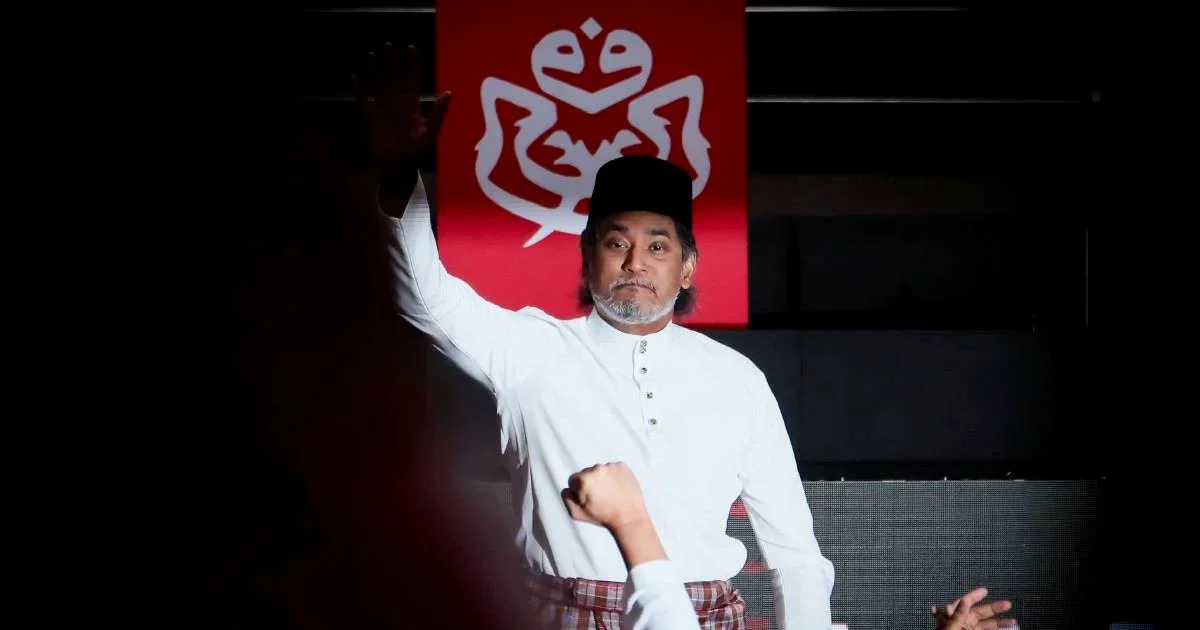
Khairy Jamaluddin, the former member of parliament for Rembau, has placed the question of his potential candidacy in the upcoming Negri Sembilan state election squarely in the hands of Umno's party leadership, marking a notable development in the coalition's internal deliberations as it prepares for the August 1 polls.
The move reflects broader considerations within Malaysia's largest Bumiputera party as it navigates seat allocation and candidate selection ahead of what is anticipated to be a closely contested state-level contest. Khairy's decision to defer rather than make an immediate declaration underscores the delicate balance party strategists must maintain when positioning senior figures in competitive electoral environments.
As the former Rembau representative, Khairy brings substantial parliamentary experience and a track record of engagement within his previous constituency. His political standing within Umno circles carries weight in discussions about resource allocation and candidate placement, particularly in states where the party's electoral prospects require careful calibration. The deferral to leadership suggests recognition that such decisions demand input from multiple stakeholder perspectives within the party hierarchy.
Negri Sembilan's state election carries significance within the broader Malaysian political landscape. The state represents a critical battleground where multiple political formations compete for voter support, and Umno's performance here will form part of the larger picture of the party's electoral health. The party's leadership must weigh various factors—including candidate viability, local party sentiment, and overall strategic positioning—when making final determinations about parliamentary and state-level representation.
Khairy's political trajectory has been marked by periods of prominence within Umno's youth wing and broader party structures. His willingness to subject his candidacy determination to collective leadership processes demonstrates either confidence in the party's decision-making apparatus or strategic positioning that keeps options open pending fuller clarity on electoral conditions and internal party dynamics.
The deference to party leadership also suggests that final choices regarding seat contests in Negri Sembilan remain fluid as the August 1 date approaches. Umno must balance multiple competing interests: accommodating veteran politicians with electoral credentials, nurturing emerging talent, maintaining coalition harmony with Barisan Nasional partners, and presenting candidates capable of winning in their respective constituencies. These considerations are rarely straightforward, particularly in multi-member constituencies or states where demographic shifts and voting pattern changes complicate electoral mathematics.
Within Malaysian politics, such decisions often remain subject to behind-the-scenes negotiations that only become public when final candidacy lists are announced. Khairy's public positioning allows flexibility while signalling availability and openness to party direction—a calculated approach that avoids the complications that might arise from premature commitments that subsequently require reversal.
The August 1 timeline means that clarification on seat allocations must emerge in the coming weeks. State elections, while distinct from federal parliamentary contests, frequently influence broader political narratives and momentum heading into subsequent federal-level engagements. Success or setbacks in Negri Sembilan could therefore shape not just local political alignments but also national perceptions of party strength and electoral appeal.
For Umno specifically, Negri Sembilan contests represent an opportunity to demonstrate resilience and organisational capability following periods of internal recalibration. The party's approach to candidate selection—whether emphasizing continuity through experienced figures or pursuing renewal through newer parliamentary entrants—sends messages about party direction and confidence in different categories of political leadership.
The broader significance of Khairy's stance lies in what it reveals about decision-making processes within Umno's contemporary structure. By elevating the choice to party leadership rather than claiming an entitlement to contest, Khairy acknowledges the collective nature of party governance while preserving his position within the organisation's hierarchy. This approach contrasts with scenarios where senior figures unilaterally announce candidacies, potentially creating friction with party structures tasked with overall electoral strategy.
As the countdown to August 1 continues, Umno's leadership will receive numerous such referrals and requests for candidacy clarification from party members across various states and constituencies. How the party navigates these decisions—balancing tradition with renewal, recognising seniority while enabling fresh faces, and maintaining internal cohesion while pursuing optimal electoral outcomes—will significantly influence both the conduct of the Negri Sembilan election and the broader political landscape in Malaysia during this critical electoral phase.

