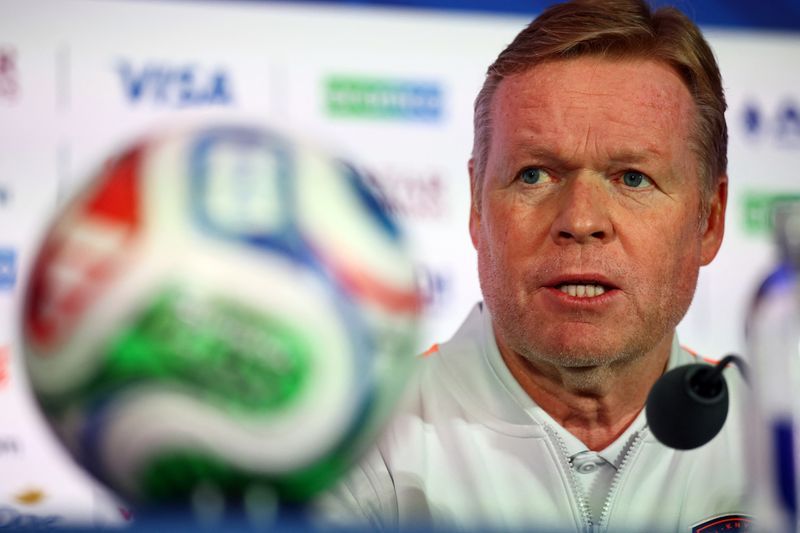
Ronald Koeman has accepted full accountability for the Netherlands' tactical shortcomings in their 2-2 World Cup opening draw against Japan, promising a more incisive approach to in-game management when they face Sweden on Saturday in a Group F encounter at Houston. The Dutch coach acknowledged that his bench decisions failed to produce the desired impact, a candid admission that signals his determination to learn from the false start and steer his squad toward the positive result they desperately need to maintain realistic tournament aspirations.
The opening fixture exposed vulnerabilities in Koeman's defensive strategy, which unraveled spectacularly when Japan equalised in the 89th minute after the Netherlands had squandered opportunities to build a decisive advantage. Rather than deflect blame onto his players, Koeman has taken personal responsibility for the setup that ultimately backfired, insisting he had intended to encourage his team to adopt a more aggressive pressing game higher up the pitch—a critical aspect of their preparation that simply did not translate onto the field. This mismatch between tactical intention and execution highlighted communication gaps that the coach acknowledged must be addressed before the Swedish challenge.
Speaking to journalists on Friday ahead of the Sweden encounter, Koeman reiterated his commitment to a clearer tactical blueprint. He emphasised that his conversations with his backroom staff had crystallised what needed adjustment, principally the requirement for Dutch players to press opponents more intensely in advanced areas rather than retreating into a shell-like defensive posture. The failure to execute this pressing strategy had left Japan with pockets of space to exploit, a lesson the Netherlands cannot afford to repeat against a Swedish side that has demonstrated potent attacking prowess in the tournament's early stages.
Sweden presents a formidable obstacle, having dispatched Tunisia 5-1 in their opening match with a display that showcased both clinical finishing and creative interplay. The Swedish offensive arsenal centres on the striking partnership of Viktor Gyokeres and Alexander Isak, two players operating at peak efficiency who each found the net against Tunisia and created multiple additional scoring opportunities throughout that emphatic victory. Koeman recognised the individual quality of both players, describing them as standout performers in the tournament thus far, yet he cautioned against allowing them to monopolise defensive focus at the expense of understanding Sweden's broader tactical approach.
The Dutch boss stressed that while Gyokeres and Isak demanded careful monitoring given their pace, physical strength, and finishing ability, the Netherlands must maintain awareness of Swedish threats emanating from across the pitch. This holistic defensive mindset represents a departure from the fragmented approach that had left them exposed against Japan, instead promoting a coordinated system where all eleven players share responsibility for nullifying Swedish creativity rather than fixating narrowly on two attacking figures. Koeman's emphasis on collective defensive awareness suggests he intends to restore organisational discipline while simultaneously pushing his team to press higher and faster than they managed in their opening fixture.
The Netherlands face additional complications through injury absences that will test squad depth and tactical flexibility. Quinten Timber, a key defensive midfielder, has been ruled out following a concussion sustained in a training collision with a teammate, depriving Koeman of a versatile player capable of functioning across multiple positions. Similarly problematic is the ongoing stomach complaint affecting influential midfielder Frenkie de Jong, whose availability for Saturday remains uncertain and whose absence would represent a significant blow to Dutch midfield control and possession management.
Memphis Depay, the Netherlands' all-time leading international goal-scorer, represents another consideration in Koeman's selection deliberations. Depay featured as a substitute against Japan but failed to generate meaningful impact during his cameo, hampered by ongoing thigh complications that have limited his preparation time. However, Koeman expressed faith in the veteran forward's capacity to deliver when called upon, characterising him as a player who has consistently provided added value throughout his international career and suggesting he will feature prominently against Sweden if deployed from the bench or starting lineup.
The pressure intensifies considerably with this match functioning as potentially decisive in determining Netherlands' tournament trajectory. An opening draw transforms Saturday's encounter into a must-win proposition; defeat would severely damage qualification hopes, whilst another stalemate would place excessive burden on the final group match. Koeman's willingness to acknowledge previous mistakes and commit to tactical refinement reflects the magnitude of this challenge and his understanding that complacency or repeat errors will invite swift elimination from the competition.
For Malaysian readers and Southeast Asian football enthusiasts, this Dutch predicament highlights how rapidly World Cup momentum can shift, with superior tactical execution and substitute management often separating tournament contenders from early exits. The Netherlands' struggle to translate their squad quality and established international pedigree into decisive results demonstrates that even favoured nations cannot coast on reputation, a lesson resonating across football culture in the region where emerging teams frequently punish tactical passivity from more established opponents. Koeman's determination to evolve and improve mid-tournament offers a masterclass in coaching adaptability under pressure.

