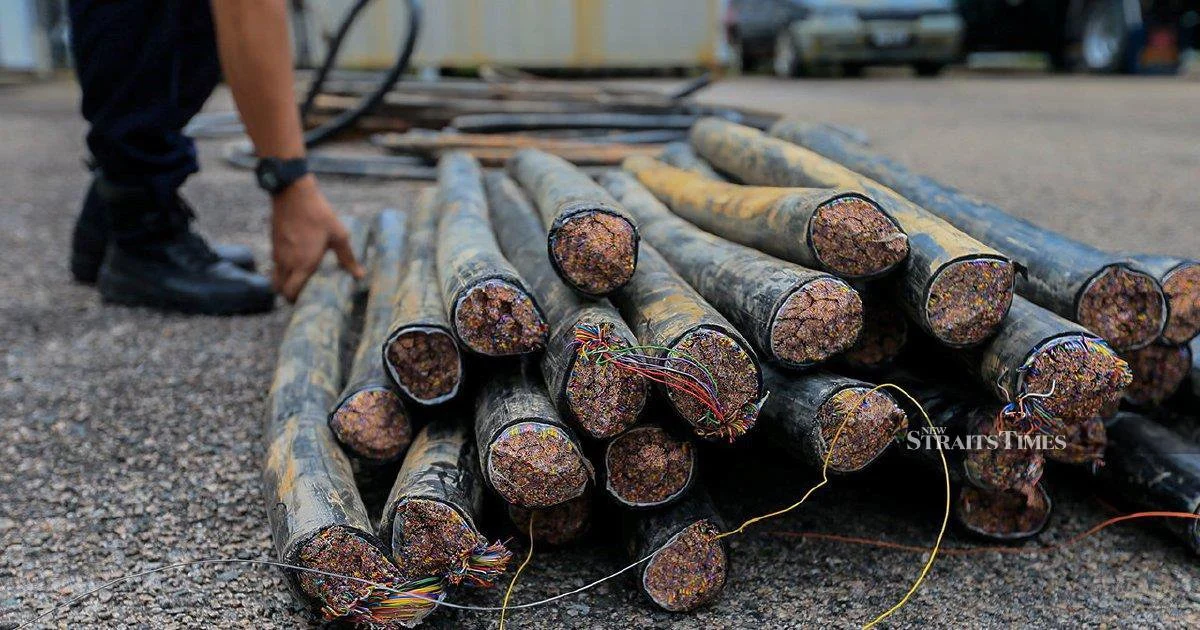
Kuala Lumpur's battle against copper cable pilferage has yielded encouraging results, with police registering a sharp decline in reported theft cases in the opening months of 2025. Data released by the force indicates that between January and May, officers documented 71 incidents of cable theft across the federal territory—a significant reduction when set against the 205 cases that plagued the region throughout the preceding year. The improvement reflects sustained enforcement efforts and coordinated responses designed to disrupt organised syndicates that have long targeted valuable metals from utility infrastructure.
The drop of approximately 65 percent marks a turning point in a crime category that has consistently frustrated urban planners, utility providers, and residents alike. Cable thefts have long posed particular challenges for enforcement teams, given the transient nature of perpetrators, their tendency to operate during off-peak hours, and the difficulty in tracing stolen materials through informal recycling networks. The scale of the 71 cases recorded in just five months, however, underscores that the problem remains persistent despite the overall improvement, suggesting that vigilance and sustained operations remain essential to consolidating these gains.
Arrest records provide additional context for understanding police progress. So far in 2025, authorities have apprehended 85 suspects linked to cable theft offences, indicating a multi-pronged strategy that combines preventive patrols, intelligence-led operations, and rapid response protocols. These arrests span various demographics and geographic locations within Kuala Lumpur, suggesting that the theft networks operate across multiple jurisdictions and involve both organised criminal groups and opportunistic individuals seeking quick profit from scrap metal sales. The diversity of suspects arrested underscores the complexity of tackling this form of crime, which often operates at the intersection of poverty, organised crime, and inadequate security measures at critical infrastructure points.
The implications of cable theft extend well beyond simple property loss. Copper and aluminium cables form the backbone of electrical distribution systems that power homes, hospitals, telecommunications networks, and commercial establishments. When thieves strip these materials, they create cascading disruptions: power outages affecting entire neighbourhoods, communication blackouts, and safety hazards for unsuspecting residents. In some cases, unauthorised access to cable infrastructure has created fire risks and electrocution dangers, transforming what might appear to be straightforward theft into a public safety emergency.
For Malaysia's economic and urban development agenda, reducing cable theft carries particular significance. Kuala Lumpur's status as a global financial hub and regional technology centre depends on reliable infrastructure. Frequent disruptions to power and communications networks undermine investor confidence, complicate business operations, and tarnish the city's reputation as a secure destination for international commerce. The burden of replacing stolen cables also diverts resources from planned maintenance and system upgrades, ultimately affecting service quality and the pace of infrastructure modernisation.
The success achieved over the five-month period appears to stem from a combination of tactical innovations and inter-agency coordination. Police likely increased patrols in known hotspots, deployed surveillance technology at vulnerable cable junction points, and strengthened intelligence networks to identify perpetrators before they strike. Cooperation with utility companies has probably enhanced real-time reporting mechanisms, enabling faster response times when thefts occur. Additionally, targeting the downstream element of the criminal chain—disrupting the networks that purchase and process stolen metal—reduces the financial incentive that drives cable theft in the first place.
However, sustained momentum faces genuine obstacles. Economic pressures that motivate individuals to engage in metal theft remain largely unaddressed; scrap metal markets continue to offer ready buyers for stolen copper and aluminium; and the infrastructure itself remains vulnerable to determined thieves willing to accept physical risk. The reduction from 205 cases annually to 71 cases in five months—if projected forward—suggests a potential annual total around 170 cases, still representing a notable decline but indicating that theft incidents will likely remain a recurring operational challenge rather than an eliminated threat.
The geographic concentration of cases within Kuala Lumpur also raises questions about crime displacement. Whether thieves have migrated their activities to adjacent states such as Selangor, Putrajaya, or Labuan remains unclear from available data. A comprehensive regional assessment would clarify whether the apparent success in Kuala Lumpur masks a broader shift in criminal activity patterns across the wider metropolitan area and beyond. This represents an important analytical gap for law enforcement strategists planning longer-term interventions.
Moving forward, maintaining the downward trajectory will require sustained investment in surveillance infrastructure, community policing initiatives that encourage residents to report suspicious activity, and targeted enforcement against the criminal networks that profit from processing stolen materials. International experience suggests that public awareness campaigns emphasising the dangers posed by cable theft—from electricity safety hazards to community disruption—can shift social attitudes in ways that complement formal enforcement. Additionally, working with urban planners to relocate particularly vulnerable cable routes to more secure locations offers a preventive approach that reduces theft opportunities without relying solely on reactive policing.
The 71 cases recorded in the first five months of 2025 represent meaningful progress in Kuala Lumpur's ongoing effort to protect critical infrastructure from criminal predation. Yet the persistence of these incidents, even at reduced levels, demonstrates that cable theft remains a sophisticated crime problem demanding continued vigilance, resource allocation, and innovation. For residents and businesses across the federal territory, the trajectory offers cautious optimism—but only if police and supporting agencies maintain their current intensity of operations and strategic focus.

