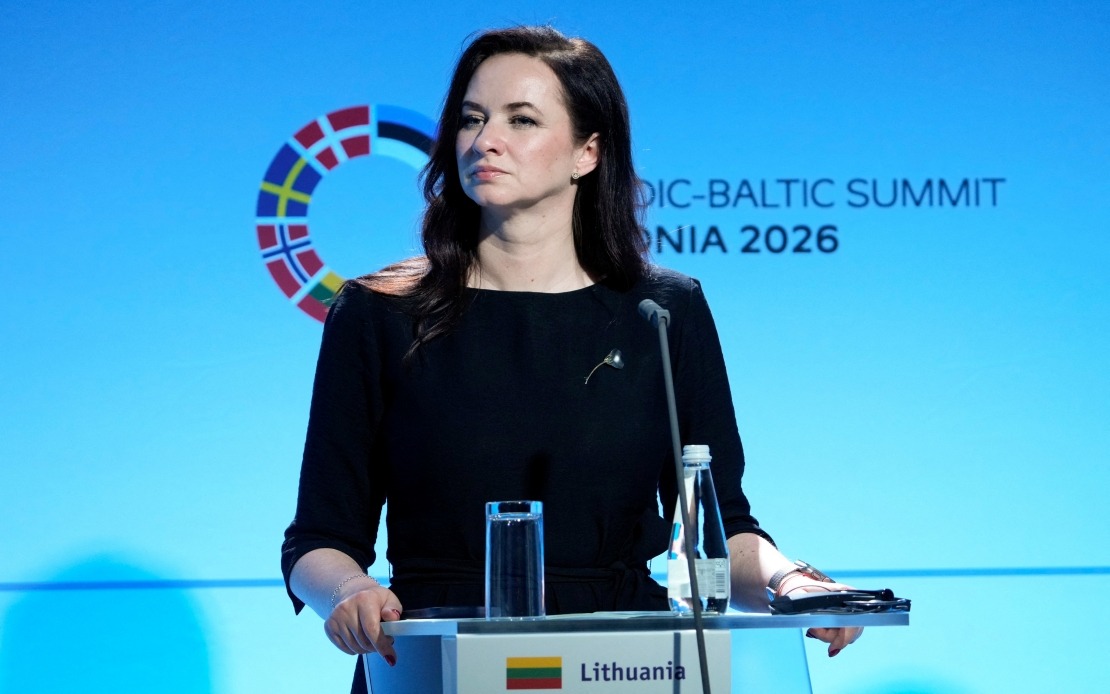
Lithuanian Prime Minister Inga Ruginiene has stepped down, initiating a transition process that will reshape the Baltic nation's leadership structure. The resignation announcement on Tuesday sets in motion a constitutional sequence requiring the creation of an entirely new administration. This development marks another significant realignment in Lithuanian politics, reflecting internal pressures within the governing coalition that has guided the country through a complex geopolitical environment.
Under Lithuania's parliamentary system, the resignation creates a defined timeframe for selecting fresh leadership. President Gitanas Nauseda now faces a 15-day window to propose a candidate for the prime ministerial position, after which Lithuania's single-chamber legislature, the Seimas, must formally vote to confirm the nomination. This procedural structure ensures that any transition maintains institutional continuity while allowing the political process to determine the direction of governance.
Mindaugas Sinkevicius, who chairs the ruling Lithuanian Social Democratic Party, stands as the presumed frontrunner to receive the presidential nomination. Political observers across Vilnius anticipate his selection, positioning him to potentially lead the country through the remainder of the parliamentary term. If approved by the Seimas, Sinkevicius would inherit a complex policy agenda while managing coalition dynamics that have already produced two separate governing formations since elections concluded in late 2024.
The appointment process incorporates multiple staged reviews to ensure comprehensive vetting of governmental priorities. Following parliamentary confirmation, the incoming prime minister would have fifteen days to construct a full cabinet, during which he must draft and present the administration's foundational policy platform. An additional fifteen-day period then permits the completion of negotiations and final appointments, with parliament conducting a final approval vote on the complete ministerial roster before formal installation.
The succession of coalition arrangements within a single parliamentary cycle highlights the volatile nature of contemporary Lithuanian politics. The previous government, which took office in August following the departure of Prime Minister Gintautas Paluckas, now terminates after a relatively brief tenure. The Social Democrats have now overseen the formation of three distinct governing coalitions since the 2024 elections, suggesting either significant strategic repositioning within the party or fundamental challenges in maintaining stable parliamentary majorities across multiple policy domains.
President Nauseda formally received Ruginiene's resignation on Tuesday and immediately assigned the existing Cabinet to continue routine governmental operations in a transitional capacity. This caretaker arrangement permits essential state functions to proceed without interruption while allowing legislative negotiations to unfold among coalition partners. Such interim governance is standard practice in parliamentary democracies, preventing policy vacuums while new administrations prepare to assume full responsibilities.
During the outgoing government's final meeting on Tuesday, the Cabinet unanimously endorsed its own dissolution through formal resolution. Ruginiene reflected on her administration's tenure, acknowledging accomplishments achieved despite significant external pressures and challenges. Her characterization suggests that the resignation stems from coalition dynamics rather than any singular policy failure, indicating that shifting parliamentary alignments and internal party considerations drove the transition rather than public dissatisfaction with specific governmental initiatives.
The timing and sequencing of Lithuania's governmental transition carry implications for Baltic region stability and European Union coordination on Eastern European security matters. Lithuania has maintained a prominent role in European discussions regarding Ukraine support and responses to Russian aggression, making leadership continuity and coherent foreign policy messaging significant concerns. The interim arrangement and transition period create an interval during which Lithuanian diplomatic initiatives may face complications, potentially requiring careful coordination with NATO allies and EU partners to ensure uninterrupted engagement on critical regional security issues.
For Southeast Asian observers, Lithuania's coalition politics illustrate broader patterns of parliamentary fragmentation emerging across global democracies. The rapid succession of governing formations despite single-election cycles reflects increasing difficulty in sustaining broad-based political consensus, a phenomenon with potential resonance for Malaysian political observers monitoring similar coalition dynamics within their own system. The Lithuanian experience demonstrates that parliamentary mathematics and coalition engineering remain perpetually challenging even in established democracies with long-standing institutional frameworks.
The incoming administration will inherit Lithuania's ongoing commitments to NATO operations, European Union policy coordination, and sustained support for Ukraine's sovereignty. These external commitments represent non-negotiable elements of Lithuanian national interest regardless of domestic political realignments. Sinkevicius and any incoming cabinet must therefore navigate between addressing domestic coalition concerns while maintaining the strategic consistency that international partners expect from Lithuania's government.
The broader context of this transition reveals the Social Democratic Party's continued centrality to Lithuanian governance despite emerging competition and coalition challenges. The party's ability to secure three consecutive coalition governments suggests underlying support within the Seimas, though the rapid succession of administrations indicates instability in those governing arrangements. This pattern suggests that future Lithuanian governments may benefit from broader coalition agreements and clearer policy frameworks designed to prevent premature governmental collapse.

