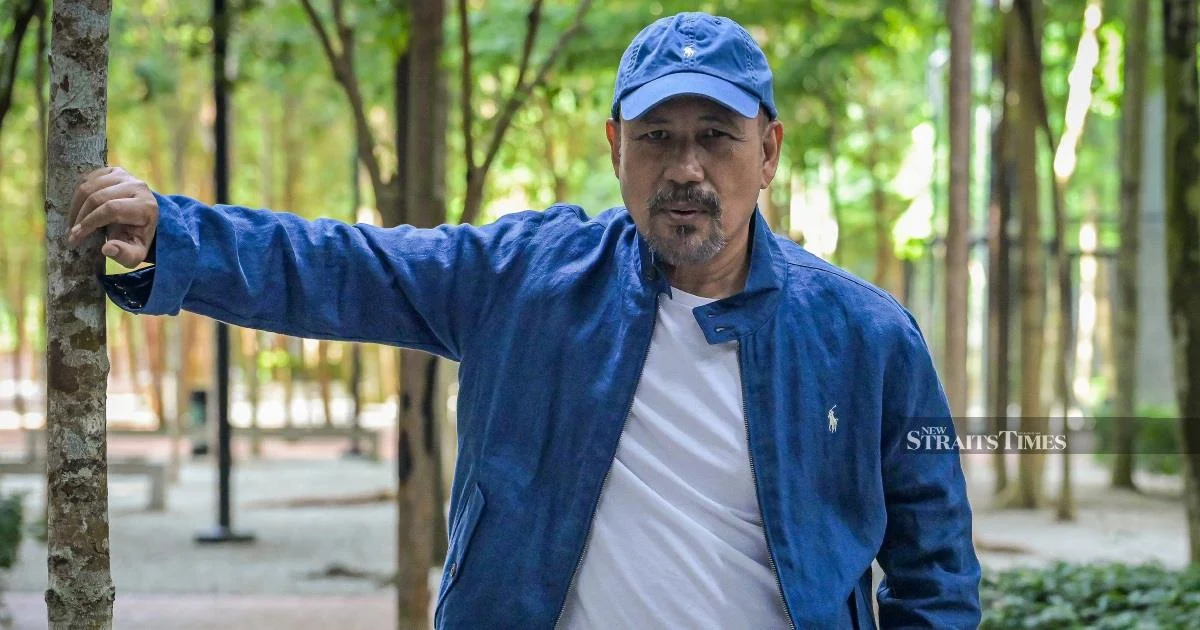
Legendary Malaysian musician Datuk M. Nasir has taken legal action against ride-hailing platform MyTeksi Sdn Bhd, trading as Grab Malaysia, seeking RM5 million in damages over claims that the company exploited his name and public image to promote a beverage without authorisation. The acclaimed performer, known for his distinctive voice and influential contributions to the Malaysian music industry spanning decades, has chosen to pursue the matter through the courts rather than engage in public commentary, a stance that underscores the seriousness with which he views the alleged transgression.
The crux of the dispute centres on what Nasir contends was the unauthorised commercial use of his identity in connection with a beverage product. While the specific details of how his name appeared in marketing materials remain unclear from public statements, the allegation raises fundamental questions about intellectual property rights and the sanctity of a public figure's personal brand. For an artist of Nasir's stature, whose reputation has been carefully cultivated through a lifetime of artistic achievement, any unsanctioned commercial association carries significant implications for his professional standing and public perception.
When queried about the litigation, Nasir maintained a measured approach, declining to elaborate extensively but emphasizing a crucial principle: what he frames as his inherent moral entitlement to control how his name and likeness are deployed commercially. This assertion reflects a broader perspective in celebrity law regarding the right of publicity, a legal concept that grants public figures authority over the commercial exploitation of their identity. In Malaysia's entertainment industry, where such disputes remain relatively uncommon, the case highlights an evolving awareness among established artists about protecting their personal brands.
The involvement of Grab Malaysia, one of Southeast Asia's largest technology-driven services companies, adds a significant dimension to the dispute. As a major corporation with extensive consumer reach, Grab's commercial activities typically undergo multiple approval stages, raising questions about how such an alleged breach could occur. Whether this represents a momentary oversight in their compliance processes, a misunderstanding about licensing requirements, or a more deliberate appropriation of Nasir's name remains a matter for legal determination. The case thus carries implications beyond the two immediate parties, potentially establishing precedent for how technology companies in the region must handle celebrity partnerships and endorsements.
From an entertainment industry perspective, the lawsuit serves as a cautionary reminder about the importance of proper clearance procedures when commercial entities seek to associate products with celebrities. In Malaysia's relatively interconnected entertainment circles, word of such disputes travels quickly, and companies contemplating similar ventures would be wise to note the consequences of inadequate due diligence. The financial claim of RM5 million suggests Nasir's legal team assessed the damage to his reputation and lost opportunities as substantial, though courts will ultimately determine appropriate compensation if liability is established.
The timing of the action reflects a growing sophistication among Malaysian public figures in recognizing and defending their intellectual property rights. Unlike previous generations of entertainers who may have accepted such infractions as routine occupational hazards, contemporary artists increasingly understand the commercial value inherent in their names and images. Nasir's willingness to pursue formal litigation signals a shift in how Malaysian celebrities approach brand protection, potentially encouraging others to take similar stands against unauthorised commercial use.
MyTeksi's response to the allegations has not been extensively detailed in public forums, but the company's position during the legal process will prove crucial in understanding whether this was an inadvertent mistake or a more systemic failure in their marketing department's oversight mechanisms. For a company of Grab's profile operating across multiple Southeast Asian markets, reputation management extends beyond customer satisfaction to encompass proper legal and ethical dealings with the personalities they engage with commercially.
The broader implications for Malaysia's entertainment sector cannot be ignored. As the industry becomes increasingly commercialized, with numerous brands seeking celebrity associations to enhance market appeal, establishing clear legal frameworks and expectations around consent and compensation becomes essential. The Nasir case may contribute to greater formalization of these processes, benefiting artists and companies alike by reducing ambiguity and potential disputes.
The musician's principled stance on what he describes as his moral right to control his name's commercial usage resonates with international standards regarding celebrity rights protection. In developed entertainment markets, such disputes are commonplace and well-documented, with clear precedents guiding corporate behaviour. Malaysia's entertainment ecosystem continues to mature, and litigation of this nature represents part of that evolutionary process, where legal remedies increasingly complement traditional industry relationships.
Looking forward, the outcome of this lawsuit could shape how Malaysian companies approach celebrity marketing going forward. Whether through increased formality in endorsement agreements, more rigorous approval processes, or heightened awareness of intellectual property implications, the case promises to leave a mark on local business practices. For Nasir, the assertion of his right to control his public identity serves not merely personal interests but establishes a principle that protects his peers and upcoming generations of Malaysian entertainers.