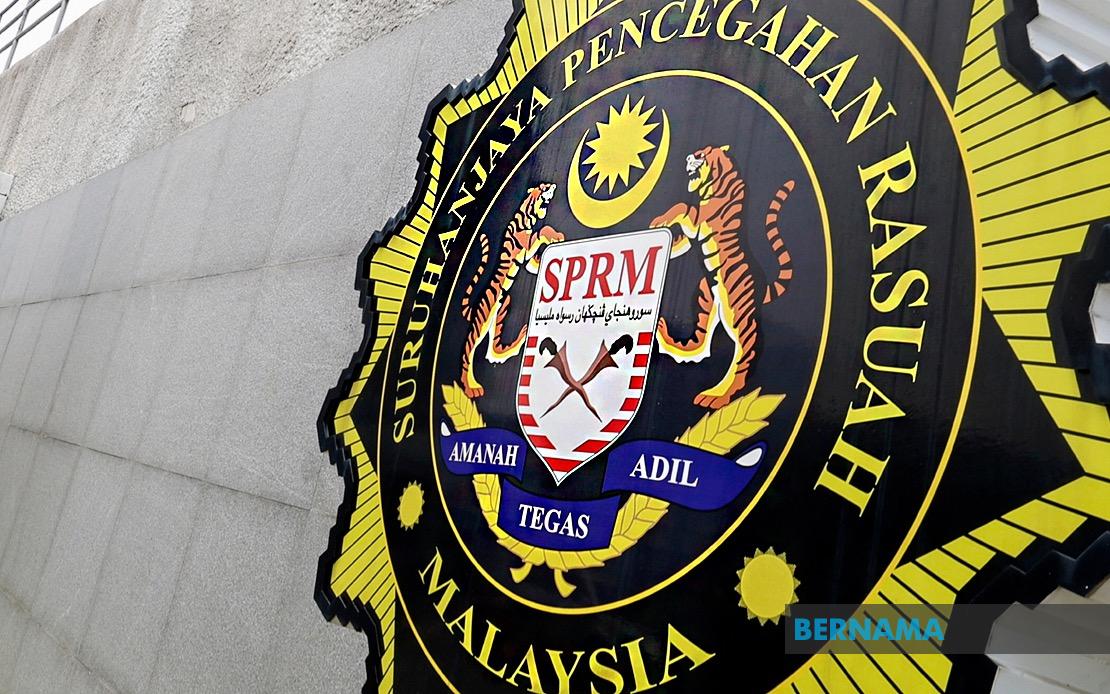
The Malaysian Anti-Corruption Commission has achieved a significant milestone on the international stage, securing finalist positions across four major categories at the ICA Compliance Awards APAC 2026, an annual recognition programme organised by the International Compliance Association. This inaugural participation represents a notable endorsement of the MACC's evolving role as a leading integrity agency within the region and signals growing acknowledgment of its compliance and governance frameworks beyond Malaysia's borders.
Among the standout nominations, the MACC's Investigation Division Branch C head Mohd Shukri Mohd Said has been shortlisted for the prestigious Compliance Leader of the Year award, a category that recognises individuals demonstrating exceptional leadership in promoting standards across the region. Separately, Mohammad Nazree Mansor earned recognition as a finalist in the Rising Star Award category, an honour typically reserved for emerging professionals who demonstrate promise in advancing integrity and governance initiatives. These individual accolades reflect the calibre of personnel within the commission and underscore the bench strength cultivated through years of institutional development.
Beyond personal recognition, the MACC also qualified for consideration in two organisational categories that speak to its operational maturity and team dynamics. The commission gained nomination for Compliance Team of the Year, recognising excellence in collective performance and collaborative approaches to compliance management. Additionally, it was shortlisted in the Small Compliance Team of the Year category for teams comprising fewer than seven members, acknowledging that effective integrity work often emerges from lean, focused units operating with strategic efficiency and high accountability standards.
Datuk Mohd Hafaz Nazar, senior director of the MACC's Investigation Division, characterised the nominations as validation of the commission's steadfast dedication to advancing integrity standards, compliance frameworks and anti-corruption mechanisms across Malaysia. He articulated hope that these international accolades would function as a catalyst spurring continued institutional excellence and positioning the MACC more prominently within both domestic and regional compliance discussions. Such external validation carries particular weight in bureaucratic contexts, often translating into enhanced credibility during legislative negotiations and resource allocation deliberations.
Mohd Shukri himself viewed the nomination through the lens of institutional pride and professional vindication. His remarks emphasised how the recognition elevates the MACC's standing internationally whilst simultaneously affirming the professionalism and dedication embedded within the organisation's workforce. For anticorruption agencies operating across Southeast Asia—a region historically grappling with governance challenges—international recognition serves dual purposes: it demonstrates tangible progress to international donors and development partners, and it provides morale boosts to staff committed to demanding, often thankless work in integrity promotion.
For Mohammad Nazree, the Rising Star designation functions as both honour and motivation. He articulated intentions to leverage the recognition as impetus for deepening technical expertise and expanding his contributions to public sector integrity initiatives. Such nominations frequently catalyse career development pathways and professional networks that extend beyond immediate institutional boundaries, creating interconnections that strengthen anti-corruption collaboration across government agencies and the public service broadly.
The International Compliance Association, which has operated since 2001, stands as a substantial player in professionalising compliance work globally. The organisation has cultivated networks spanning more than 160,000 practitioners worldwide through internationally certified training programmes and professional qualifications. By establishing regional awards programmes such as the APAC initiative, the ICA extends its influence beyond credential-granting into meaningful recognition of implementation excellence across diverse jurisdictions and operational contexts.
The awards programme itself represents a significant infrastructure for identifying and promoting best practices in compliance, integrity frameworks, governance structures and financial crime prevention throughout the Asia-Pacific region. For Malaysian agencies competing against counterparts across Australia, Singapore, Hong Kong, India and numerous other economies, advancing to finalist status indicates performance benchmarking favourably against sophisticated international standards. This carries implications for Malaysia's broader institutional credibility within international governance circles and influences perceptions of the country's commitment to rule-of-law frameworks.
The announcement arrives within a broader context of Malaysia's emphasis on anti-corruption as a policy priority. Under successive administrations, institutional frameworks supporting integrity have received heightened attention, with the MACC positioned as a cornerstone agency responsible for investigating corruption allegations and pursuing enforcement action. International recognition of the commission's work provides tangible evidence of institutional progress and operational professionalism that Malaysian policymakers can reference when discussing governance improvements and institutional development outcomes.
The virtual awards ceremony scheduled for July 21 will formally announce winners across all categories, with results anticipated to generate significant domestic media attention and contribute to public discourse surrounding anti-corruption progress. Should the MACC secure victories in any categories, such outcomes would likely feature prominently in government communications and contribute to institutional morale across the commission and related agencies. Even finalist status, however, communicates meaningful progress and establishes benchmarks for sustained performance improvement in subsequent award cycles.
For Malaysian readers and regional observers monitoring anti-corruption trends across Southeast Asia, the MACC's international recognition trajectory warrants attention. The commission's expanding visibility in compliance forums and award competitions suggests institutional maturation and suggests confidence among international peers regarding the agency's technical capacity and operational credibility. Such developments, while procedurally routine in advanced governance contexts, remain noteworthy within the Malaysian context and reflect cumulative progress in institutional strengthening that extends beyond headline-capturing enforcement actions into the often-invisible domain of professional standards and governance systems development.

