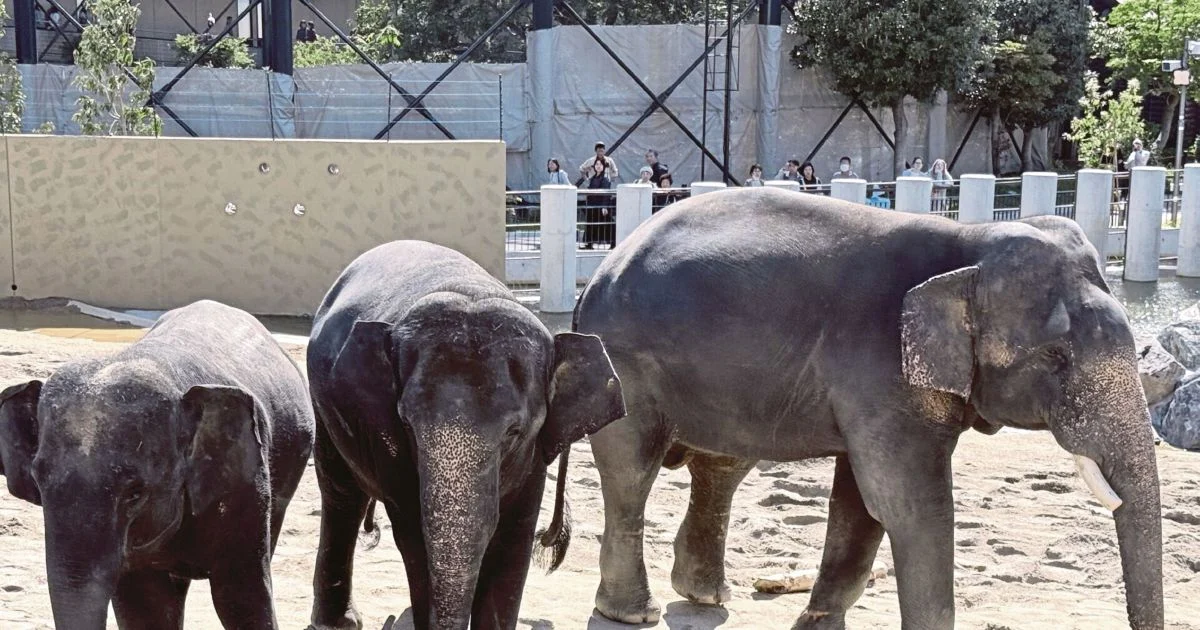
The Malaysian Anti-Corruption Commission has opened a formal investigation into the transfer of three Asian elephants from Zoo Taiping to the Tennoji Zoo in Osaka, Japan, marking a significant development in what may involve questions about procedural compliance and institutional governance. The move by MACC suggests that concerns have been raised regarding how the animal relocation agreement was negotiated, approved, and executed, touching on matters that extend beyond routine wildlife management into broader questions of administrative propriety.
Zoo Taiping, located in Perak and established in 1972, remains one of Malaysia's most prominent zoological facilities and a major tourist attraction in the northern region. The facility houses a substantial elephant population that has long served as a focal point for visitor engagement and conservation education efforts. The decision to transfer animals to an international institution would typically involve multiple approval layers within Malaysia's wildlife and environmental governance structures, including relevant state authorities, the federal Department of Wildlife and National Parks (PERHILITAN), and potentially cabinet-level oversight depending on the transaction's scope and financial implications.
The Tennoji Zoo in Osaka represents one of Japan's oldest and most respected zoological institutions, with a history extending back over a century. International animal transfers between zoos typically follow strict protocols established by the Convention on International Trade in Endangered Species (CITES) and regional agreements governing wildlife movement. Such arrangements ordinarily require comprehensive veterinary assessments, habitat compatibility studies, and formal cooperation agreements between sending and receiving institutions. The involvement of a facility of Tennoji Zoo's standing suggests that the transfer proposal contained elements of legitimate scientific and conservation merit.
CRITES regulations and international conservation frameworks exist to prevent illegal wildlife trafficking while permitting legitimate scientific and breeding programme cooperation between accredited institutions. Any transfer of endangered Asian elephants would require certification that both facilities meet internationally recognised standards for elephant welfare, appropriate enclosure specifications, and expertise in managing these complex animals. Documentation would need to demonstrate that the elephants' wellbeing remained the priority and that the transfer served recognized conservation objectives, whether supporting genetic diversity in captive populations or facilitating research collaboration.
The MACC's intervention suggests that questions have emerged about whether proper channels were followed in approving and arranging the transaction. This could encompass concerns about competitive bidding processes if the zoo negotiated directly with Tennoji Zoo without exploring alternative arrangements, questions about the financial terms or whether Malaysia received appropriate compensation or conservation benefits, or procedural irregularities in securing necessary governmental approvals. Transparency in such agreements becomes particularly important given that Zoo Taiping operates as a public facility ultimately accountable to Malaysian citizens.
Zoo management decisions carry political dimensions in Malaysia, particularly when they involve assets that attract significant tourist revenue and represent cultural heritage. The Perak state government, as custodian of Zoo Taiping, must balance conservation objectives, economic considerations, and public accountability. Any perception that decisions were made without proper consultation or that established procedures were circumvented could generate controversy among stakeholders including conservationists, tourism operators, and the general public who view zoo animals as part of the nation's natural heritage.
The investigation timing may also reflect broader efforts by MACC to scrutinize transactions involving public institutions and government-linked entities during this period of enhanced anti-corruption vigilance. Even if the elephant transfer possessed genuine conservation merit, procedural shortcomings in how approvals were obtained or stakeholder consultation conducted could justify investigation. This reflects a principle that institutional integrity depends not merely on outcomes but on ensuring that decision-making processes themselves meet standards of transparency and propriety.
For Malaysian wildlife conservation, the situation illustrates persistent tensions between international cooperation frameworks and national sovereignty over animal resources. While collaborative arrangements with foreign zoos can benefit conservation through genetic management of endangered species and knowledge exchange, such arrangements must be structured to ensure that Malaysian interests receive appropriate protection and that decisions reflect genuine national priorities rather than administrative convenience or informal relationships between institutional leaders.
The investigation may ultimately clarify what drove the elephant transfer proposal, whether conservation concerns about Zoo Taiping's capacity to maintain these animals appropriately, financial pressures on the facility, or other motivations influenced the decision. Depending on findings, the matter could result in administrative recommendations, policy adjustments to how future wildlife transfers are governed, or potentially disciplinary action if procedural violations are substantiated. The outcome will establish precedents for how such arrangements are evaluated and approved in Malaysian public institutions going forward.

