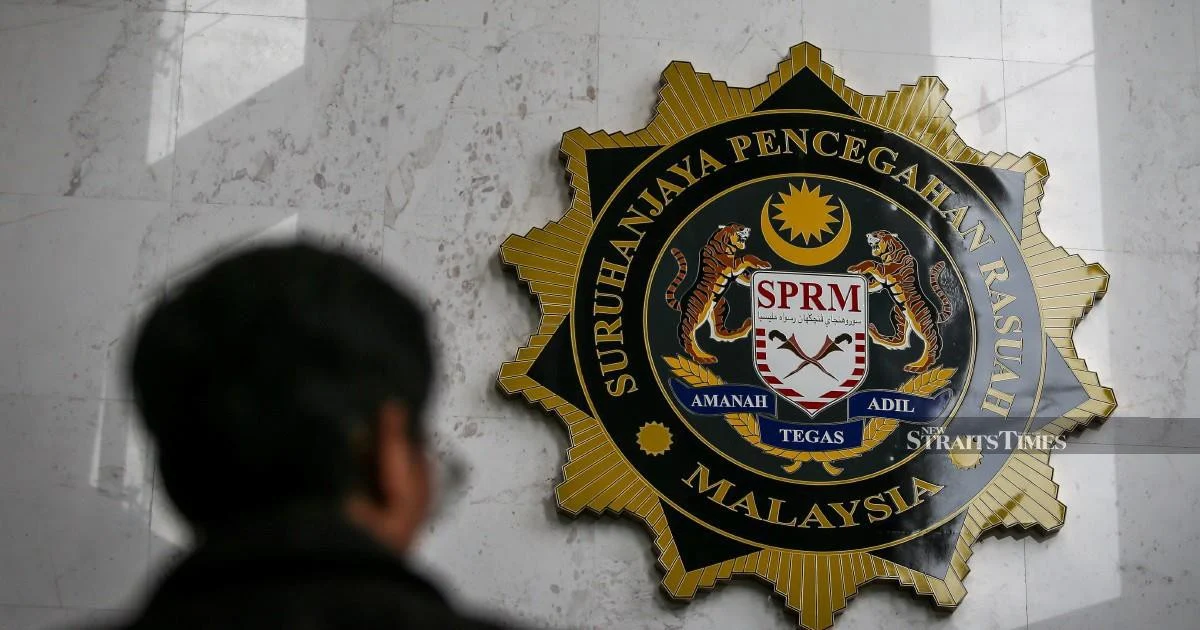
The Malaysian Anti-Corruption Commission is taking an aggressive stance against electoral corruption in Johor's forthcoming state election by establishing a network of five dedicated operation rooms across the state. The move represents a significant escalation in the MACC's capacity to monitor and respond to misconduct during the 16th state election campaign, with each facility operating continuously to ensure no allegation slips through the cracks regardless of the hour.
The initiative reflects growing recognition that election-period graft requires immediate, visible intervention. By positioning permanent command centres in key locations across Johor, the MACC is signalling its commitment to maintaining electoral integrity while simultaneously creating multiple accessible points for public engagement. Voters and observers will be able to lodge complaints without travelling to distant headquarters, potentially encouraging more comprehensive reporting of suspicious conduct.
Electoral misconduct in Malaysian state polls has historically encompassed a wide spectrum of breaches, from vote-buying and bribery of candidates and officials to abuse of government resources for campaign purposes. The Johor election provides a critical test case for the MACC's capacity to prevent such violations at scale. By deploying dedicated teams with command-and-control infrastructure, the commission aims to move beyond reactive investigation toward real-time detection and intervention.
The five-room configuration across Johor suggests a carefully calibrated geographic distribution designed to cover population centres and peripheral constituencies with equal thoroughness. This deployment strategy acknowledges that corruption does not concentrate in urban areas alone; rural and semi-urban constituencies are equally vulnerable to electoral misconduct, and voters in those regions deserve equivalent access to accountability mechanisms.
Public reporting mechanisms serve multiple functions beyond simple complaint collection. They generate valuable intelligence that helps enforcement agencies identify patterns and networks of electoral abuse before they spread. They also deter potential offenders by creating visible evidence of active monitoring and enforcement. When voters know that multiple channels exist to report graft and that the MACC has boots on the ground to receive and act on those reports, the calculus for individuals tempted by electoral misconduct shifts substantially.
The timing of this initiative carries particular significance for Malaysian democracy. State elections in Johor carry outsized political weight given the state's size, economic importance, and role as a bellwether for federal-level politics. Cleaner state elections contribute to stronger democratic foundations and voter confidence in the entire electoral system. The MACC's commitment of resources to this specific poll underscores official recognition that electoral integrity requires sustained investment and attention.
For Southeast Asian observers, Malaysia's approach offers a regional perspective on election security. While cybersecurity and ballot-counting mechanisms dominate discussions in some countries, Malaysian authorities are focusing on institutional monitoring of traditional corruption vectors. This reflects a sophisticated understanding of where electoral abuse actually occurs in the region—through cash transactions, patronage networks, and abuse of incumbency rather than primarily through technology-mediated fraud.
The effectiveness of these operation rooms will ultimately depend on their staffing, training, and genuine empowerment to act on complaints rapidly. Operation rooms that collect reports but lack investigative resources or cannot compel action within the electoral cycle will underperform. The MACC's track record of pursuing high-profile corruption cases suggests the institution possesses both the capacity and political backing to move swiftly, but public visibility of timely action during the campaign itself will be essential to demonstrate credibility.
Civil society engagement with these facilities will prove equally important. Non-governmental organisations, election observers, and voter groups need to be aware of the rooms' locations and complaint procedures. Publicity campaigns explaining how to report suspected corruption—and reassuring citizens that the MACC investigates allegations impartially—could significantly expand reporting volume and thereby improve the electoral playing field for all contesting parties and independent candidates.
The centralised command structure implicit in these operation rooms also suggests the MACC has thought carefully about coordination and intelligence-sharing. Rather than dispersed, autonomous teams, the five rooms likely feed into a central command centre that can identify correlations between reports, spot geographic patterns of misconduct, and allocate investigative resources efficiently. Such coordination becomes critical when addressing sophisticated corruption schemes that may span multiple constituencies.
For Johor voters, these operation rooms represent tangible evidence that institutions beyond political parties themselves bear responsibility for safeguarding electoral fairness. This institutional dimension matters profoundly, particularly for voters concerned about power imbalances that might otherwise render their complaints futile. When the MACC demonstrates visible, sustained commitment to investigating allegations throughout the campaign period, it reinforces the principle that no candidate or official stands above electoral law.
The success of this operation rooms initiative will likely shape how the MACC approaches future state and federal elections. If monitoring proves robust and action timely, other states may demand equivalent resources. Conversely, if the operation rooms exist primarily symbolically without translating complaints into visible enforcement action, public trust in the mechanism will erode rapidly. The stakes for electoral integrity in Malaysian democracy are consequently higher than the technical details of five operation rooms might initially suggest.

