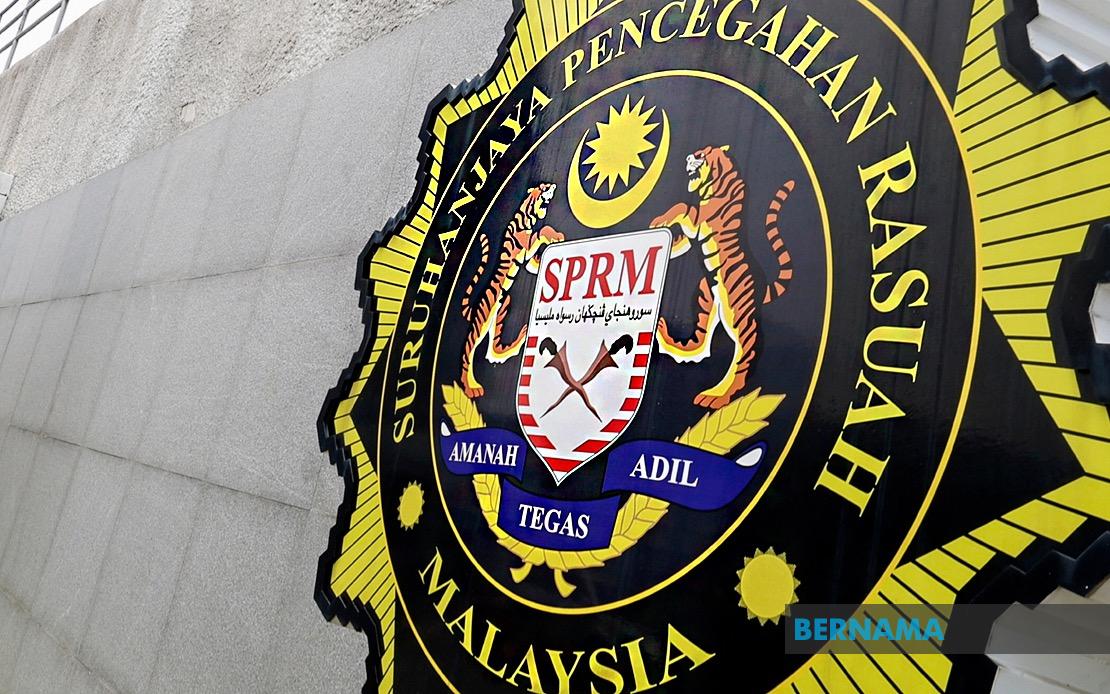
Malaysia's anti-corruption watchdog is deploying a comprehensive monitoring infrastructure ahead of the Johor state election, establishing five dedicated operations rooms to police electoral conduct and investigate complaints of misconduct during the campaign period. The Malaysian Anti-Corruption Commission announced the initiative as part of measures to safeguard the integrity of the July 11 polling day, with the rooms opening their doors from the nomination date on June 27 through to voting day.
The distributed network of complaint centres reflects MACC's commitment to accessibility, ensuring residents across the peninsula's southernmost state can lodge concerns without travelling excessive distances. The five locations—anchored by the commission's Johor Bahru headquarters at Tampoi, complemented by branch offices in Batu Pahat, Kluang, Segamat, and Mersing—strategically cover urban centres and smaller towns, facilitating public participation in electoral oversight. This geographical spread acknowledges the logistical realities of a large state where some constituencies remain distant from major urban hubs.
Operating around the clock until polling concludes, these facilities provide a critical reporting channel during what is typically the most vulnerable period for electoral violations. The 24-hour availability signals MACC's expectation that election-related misconduct concerns may emerge at any hour, accommodating shift workers and those unable to visit during business hours. The continuous operation underscores the commission's recognition that political candidates and operatives may push boundaries at all times of day, particularly during the intensified campaign activities of the final week.
Beyond physical walk-in facilities, MACC has established a dedicated email address—[email protected]—to capture digitally-submitted complaints, modernising the complaint mechanism and permitting complainants to maintain anonymity if preferred. This dual-channel approach acknowledges that not all citizens feel comfortable presenting allegations in person, particularly when corruption allegations involve powerful local figures or when submitting evidence requires careful documentation. The email facility represents a pragmatic accommodation of contemporary communication preferences while maintaining formal records suitable for investigation.
The commission has assured the public that all received information will undergo professional and transparent investigation within the framework of applicable legislation. This commitment carries particular weight in Malaysia's electoral context, where public confidence in election administration directly affects voter participation and democratic legitimacy. MACC's explicit assurance addresses historical concerns about whether complaint-based investigations receive adequate resource allocation and whether political connections might compromise investigative independence.
Meanwhile, MACC has issued a stern reminder to all candidates and political parties contesting the election that the MACC Act 2009 and the Election Offences Act 1954 (Amendment 2012) remain in full force. This explicit warning serves multiple purposes: it establishes clear notice that misconduct will be prosecuted, it creates a paper trail demonstrating prior warning should prosecutions proceed later, and it signals to party leadership that individual candidates engaging in corrupt practices cannot claim ignorance. Such warnings become particularly important in elections where newcomers or grassroots candidates may lack familiarity with electoral law nuances.
The Johor election timeline, confirmed by the Election Commission, compressed the usual campaign period slightly. Nomination day on June 27 launches the formal campaign, with early voting scheduled for July 7 accommodating voters unable to attend on polling day, and the main election occurring on July 11. This 15-day window constitutes an intense period during which campaign financing scrutiny, candidate conduct monitoring, and electoral offence detection become especially critical. MACC's pre-positioned operations rooms ensure the commission can respond rapidly to developing situations.
The establishment of these monitoring structures carries implications beyond Johor itself. The electoral model represents a template that could guide future state and federal elections, demonstrating how anti-corruption agencies can enhance transparency without requiring legislative changes. The operations room concept also provides a practical demonstration of how Malaysia's anti-corruption infrastructure can extend its reach beyond investigating sitting officials' conduct to encompass the broader integrity of electoral processes, an increasingly important dimension of governance accountability.
For Malaysian voters, the visible presence of MACC complaint centres throughout Johor communicates that authorities are actively monitoring electoral conduct and that citizens possess formal mechanisms to report concerns. This transparency can strengthen electoral legitimacy by demonstrating institutional commitment to fairness, though it simultaneously places pressure on MACC to respond promptly and visibly to lodged complaints, as public perception of investigation quality will influence future participation in such schemes. The success of this election monitoring initiative may establish precedents for how Malaysia's anti-corruption agency balances its traditional function of investigating incumbent misconduct with newer electoral integrity responsibilities.

