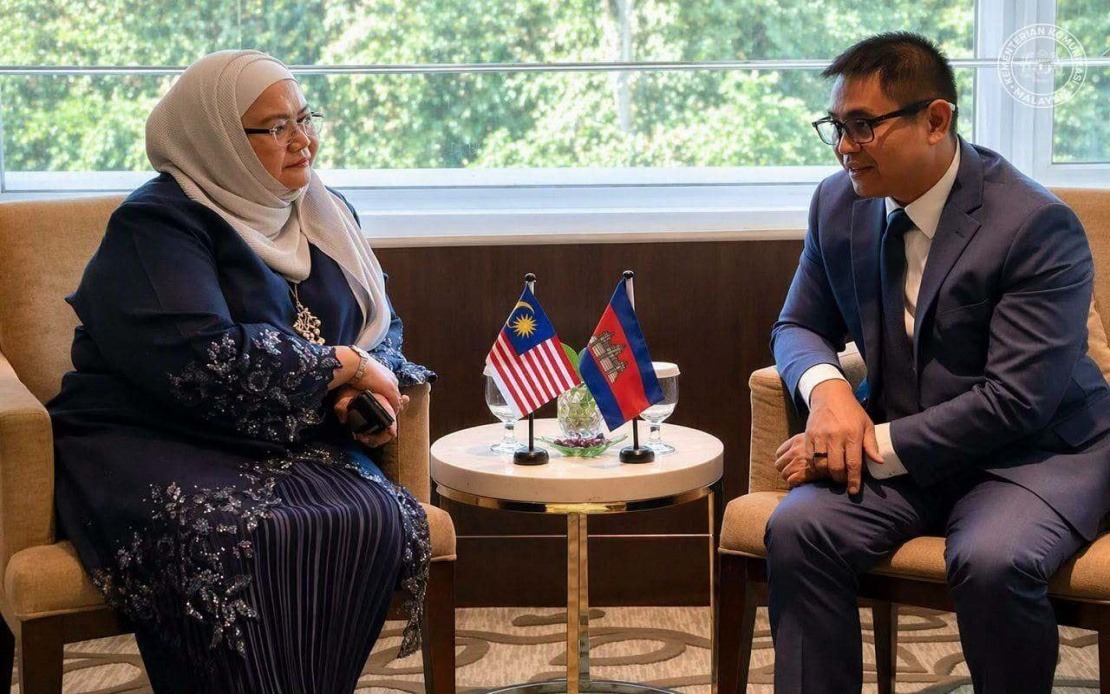
Malaysia and Cambodia have moved to operationalise a landmark agreement aimed at strengthening their media and communications sectors, meeting this week on the sidelines of regional talks in Brunei. The bilateral discussion, held during the 23rd ASEAN Senior Officials Responsible for Information meeting in Bandar Seri Begawan, focused on translating the countries' recent Memorandum of Understanding into concrete cooperative initiatives across journalism, broadcasting, and digital platforms. The agreement was initially signed in Penang in late June alongside Malaysia's National Journalists' Day celebrations, establishing a formal framework for enhanced collaboration between two neighbouring nations with increasingly interconnected media ecosystems.
Malaysia's Communications Ministry, which coordinated the Brunei dialogue, was represented by Deputy Secretary-General Datuk Bahria Mohd Tamil, while Cambodia sent Secretary of State Prak Thaveak Amida to lead their contingent. The composition of both delegations reflected the strategic importance placed on the arrangement, with officials from communications and information portfolios taking direct responsibility for advancing the partnership. This high-level engagement signals both governments' commitment to moving beyond ceremonial signing ceremonies towards substantive implementation of media development programmes.
The MoU encompasses several interconnected areas of collaboration that carry particular relevance for Southeast Asian media development. Both nations identified information exchange as a cornerstone element, recognising that improved flows of journalistic content and media expertise can benefit news consumers across the region. Discussions also centred on formalised mechanisms for media training and professional development, areas where Malaysia's more established broadcast infrastructure and journalism training institutions could share knowledge with Cambodian counterparts navigating their own media modernisation agenda.
Digital transformation featured prominently in the talks, reflecting the urgent need for both countries to strengthen their digital media capabilities as audience consumption patterns shift online. Cambodia's media sector, which has undergone significant restructuring over the past decade, stands to benefit from Malaysian technical expertise in areas such as digital publishing platforms, broadcast digitalisation, and online content management systems. Conversely, Malaysia may find valuable insights in Cambodia's experience managing media development amid rapid technological change and evolving regulatory environments.
A particularly significant focus involved establishing protocols to address what officials termed "information integrity" and combat challenges in the evolving media landscape. This phrasing appears to reference shared concerns about misinformation, disinformation, and the spread of false narratives through digital channels—challenges that have become increasingly prominent across Southeast Asia. Both nations appear intent on developing coordinated approaches to media literacy, fact-checking mechanisms, and counter-disinformation strategies, recognising that false information flows easily across borders in the digital age.
The timing of these discussions carries broader regional implications. As ASEAN continues navigating questions about media freedom, press independence, and information governance, bilateral frameworks like the Malaysia-Cambodia agreement demonstrate how member states can pursue cooperation on shared challenges while respecting each nation's specific circumstances and regulatory frameworks. The emphasis on deepening friendship alongside institutional cooperation suggests both governments view media development as inseparable from diplomatic and people-to-people relations.
For Malaysian stakeholders in broadcasting, journalism, and digital media, the agreement opens pathways for expanded commercial and professional activities in Cambodia's growing market. Educational institutions, media companies, and technology providers may find increased opportunities for partnerships, joint ventures, and capacity-building programmes with Cambodian counterparts. Simultaneously, Malaysian policymakers gain insight into Cambodia's regulatory approaches and media market dynamics, information valuable for developing competitive strategy in the broader Southeast Asian media landscape.
Cambodia's perspective on the arrangement reflects its ongoing efforts to modernise infrastructure and institutional capacity within its communications sector. By formalising cooperation with Malaysia, a regional peer with established media institutions and technical capabilities, Cambodia positions itself to accelerate development timelines while benefiting from proven best practices. The agreement also signals Cambodia's openness to international cooperation on media development, potentially attracting similar partnerships with other Southeast Asian nations and international media organisations.
The substance of discussions in Brunei—particularly the focus on information integrity and managing media challenges—suggests both countries recognise that technology and digital platforms have fundamentally altered the media landscape. Traditional approaches to journalism training, broadcast standards, and content distribution require updating to address contemporary realities of social media influence, algorithmic content curation, and transnational information flows. By working jointly, Malaysia and Cambodia can develop more robust frameworks for navigating these complexities.
Implementing the MoU will require establishing working groups, setting timelines for specific initiatives, and allocating resources to joint programmes. The bilateral meeting in Brunei likely included preliminary discussions on these practical arrangements, though detailed implementation schedules remain to be formalised. Success will depend on sustained political commitment, adequate funding, and genuine engagement from relevant agencies in both countries beyond the initial ceremonial phase.
Looking forward, the Malaysia-Cambodia media cooperation framework may serve as a template for similar arrangements with other ASEAN members facing comparable challenges in media development and information governance. The emphasis on digital transformation and information integrity addresses issues that transcend bilateral relations, positioning the agreement within the broader context of regional information security and media resilience.

