Malaysian Prime Minister Datuk Seri Anwar Ibrahim and Russian President Vladimir Putin have moved to strengthen economic ties between the two nations by examining the feasibility of conducting bilateral trade in their respective local currencies. The discussion, which took place during Putin's hosting of a two-day Association of Southeast Asian Nations summit in Kazan, represents a significant step towards reducing Malaysia's reliance on the US dollar for international transactions and creating alternative pathways for regional commerce.
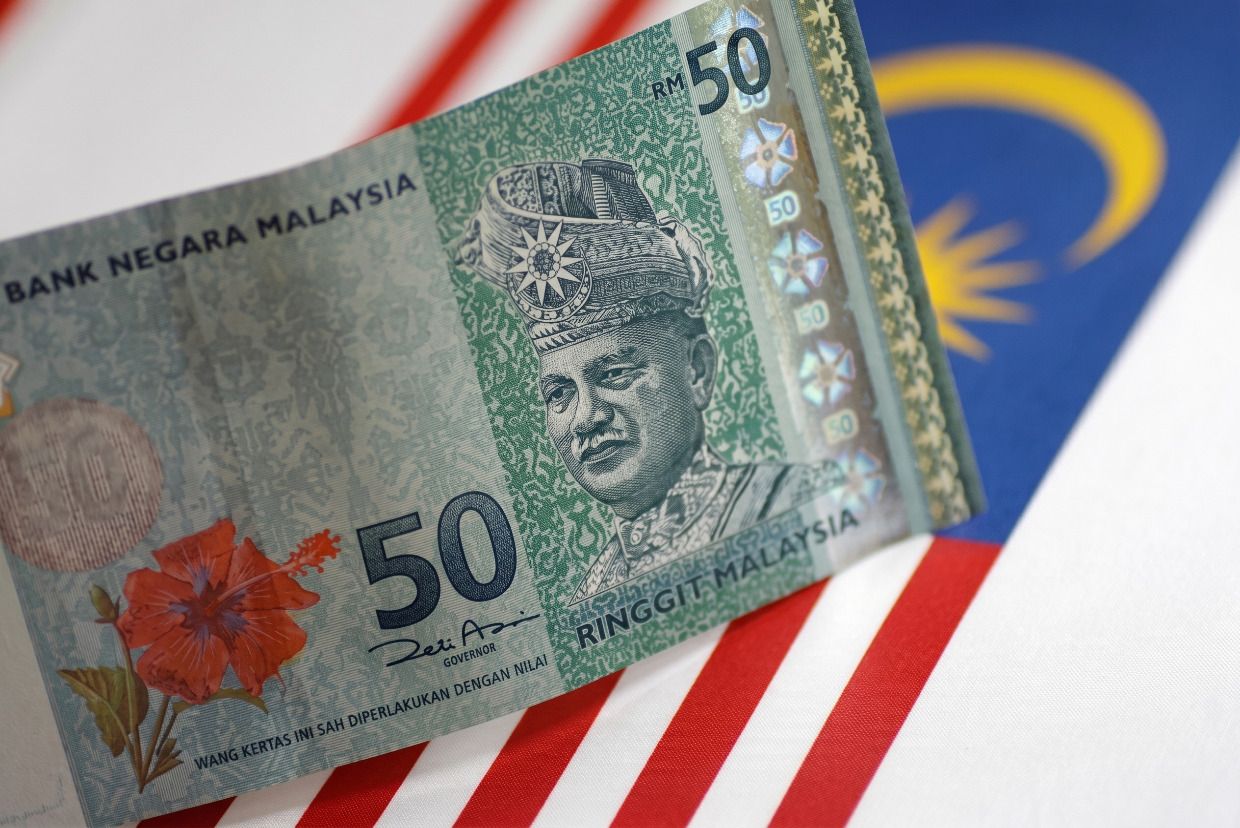
According to a statement released by Malaysia's Prime Minister's Office on Thursday, the two leaders explored what they described as "mechanisms" to expand bilateral trade and investment through the use of the ringgit and ruble. This approach aligns with a broader trend across emerging markets and developing economies seeking to de-dollarise their trade relationships and build economic resilience in an increasingly multipolar global system. The move carries particular significance for Malaysia, which has substantial trading interests throughout Southeast Asia and beyond, and could provide a template for other regional nations considering similar arrangements.
Beyond currency matters, the bilateral discussions encompassed a comprehensive review of energy cooperation prospects. Russia reaffirmed its commitment to long-term collaboration on energy supplies and oil deliveries to Malaysia, a commitment that takes on heightened importance given regional supply chain disruptions and shifting geopolitical dynamics. The emphasis on energy security reflects mutual recognition that stable, reliable fuel supplies are fundamental to Malaysia's continued economic development and industrial growth.
The timing of these discussions underscores Russia's strategic repositioning in Southeast Asia following the escalation of tensions in the Middle East. Traditionally, the Strait of Hormuz has served as a critical chokepoint for global energy flows, with substantial volumes of oil and liquefied natural gas transiting through its narrow waters daily. Recent geopolitical tensions have created significant uncertainty around the security and reliability of this vital shipping route, prompting regional economies to diversify their energy sourcing and secure alternative supply relationships.
Malaysia and the broader Southeast Asian region, home to approximately 680 million people, face acute vulnerability to energy supply disruptions. The region's rapidly industrialising economies depend heavily on imported energy to fuel manufacturing, power generation, and transportation sectors. Any prolonged interruption to traditional Middle Eastern supplies would have cascading consequences throughout the region, making Russia's offer of long-term energy cooperation particularly valuable to Malaysian policymakers concerned with energy security and price stability.
The Kazan summit, which concludes on Thursday, provides an unusual platform for deepening bilateral relationships outside the formal ASEAN framework. By hosting the ten-member bloc's leadership, Putin signals Russia's interest in engaging Southeast Asia on substantive economic and political matters, moving beyond historical Cold War-era alignments. For Malaysia, participation in such high-level dialogues offers opportunities to position itself as a bridge between major global powers and to secure advantageous arrangements that benefit its economy.
The ringgit-ruble arrangement, should it materialise into formal mechanisms, would represent a modest but symbolically important step in the internationalisation of Malaysia's currency. Currently, the vast majority of global trade occurs in US dollars, reflecting both historical patterns and the predominance of American financial infrastructure. By establishing trade relationships in ringgit and ruble, Malaysia would join an expanding group of nations experimenting with bilateral currency arrangements that reduce transaction costs and currency risk while strengthening diplomatic ties.
From Russia's perspective, expanding its economic footprint in Southeast Asia serves multiple strategic objectives. Facing Western sanctions over its actions in Ukraine and the Middle East, Russia has actively sought to cultivate relationships with non-aligned nations and regional powers that can provide both market opportunities and geopolitical support. Malaysia's position as ASEAN chair in recent years and its influence within the organisation make it a particularly valuable partner for Russian interests in the region.
The energy cooperation dimension of these discussions reflects pragmatic recognition by both nations that energy markets have undergone fundamental restructuring. Russia, historically dependent on European markets, has pivoted towards Asia following sanctions and diplomatic estrangement from Western nations. Southeast Asia, meanwhile, faces increasing energy demands as manufacturing clusters expand and urbanisation accelerates. This mutual need creates a foundation for enduring commercial relationships that could survive broader geopolitical fluctuations.
For Malaysia specifically, deepening ties with Russia presents both opportunities and considerations. Enhanced energy security and diversified trading relationships support long-term economic stability. However, such arrangements must be managed carefully to maintain Malaysia's traditional policy of non-alignment and its balanced relationships with major global powers. The discussion of local currency trade mechanisms suggests pragmatism from both sides, focusing on concrete economic benefits rather than broader geopolitical alignment.
The discussions in Kazan illustrate how regional summits function as venues for bilateral business beyond their formal agendas. While ASEAN summits typically emphasise consensus-building and collective regional positions, they also create valuable opportunities for individual member states to pursue bilateral interests with major global players. Malaysia's engagement with Putin demonstrates how smaller to mid-sized powers can leverage multilateral forums to secure bilateral advantages.
Moving forward, the actual implementation of ringgit-ruble trade mechanisms will depend on technical discussions between finance ministries and central banks of both nations. Questions around settlement procedures, hedging arrangements, and currency convertibility will need resolution. If successful, such arrangements could expand to other Southeast Asian nations, gradually creating an alternative ecosystem for regional trade that reduces dollar dependence and strengthens intra-regional economic integration.
The emphasis on energy cooperation, meanwhile, signals that Malaysia views Russia as a reliable long-term partner capable of meeting the nation's growing energy needs. As Southeast Asia continues its economic ascent, securing diverse energy sources from geographically dispersed suppliers reduces vulnerability to supply shocks and price volatility. Russia's willingness to commit to long-term energy supply agreements addresses a fundamental requirement for Malaysia's sustained development.

