%22%2F%3E%3C%2Fpattern%3E%3C%2Fdefs%3E%3Crect%20width%3D%22100%25%22%20height%3D%22100%25%22%20fill%3D%22url(%23ph4795qg)%22%2F%3E%3Crect%20width%3D%22100%25%22%20height%3D%22100%25%22%20fill%3D%22url(%23ph4795qp)%22%2F%3E%3Ctext%20x%3D%2250%25%22%20y%3D%2250%25%22%20text-anchor%3D%22middle%22%20dominant-baseline%3D%22central%22%20fill%3D%22rgba(255%2C255%2C255%2C0.95)%22%20font-family%3D%22Georgia%2C%20'Times%20New%20Roman'%2C%20serif%22%20font-weight%3D%22700%22%20font-size%3D%22170%22%20letter-spacing%3D%22-0.02em%22%3EMalaysia%3C%2Ftext%3E%3C%2Fsvg%3E)
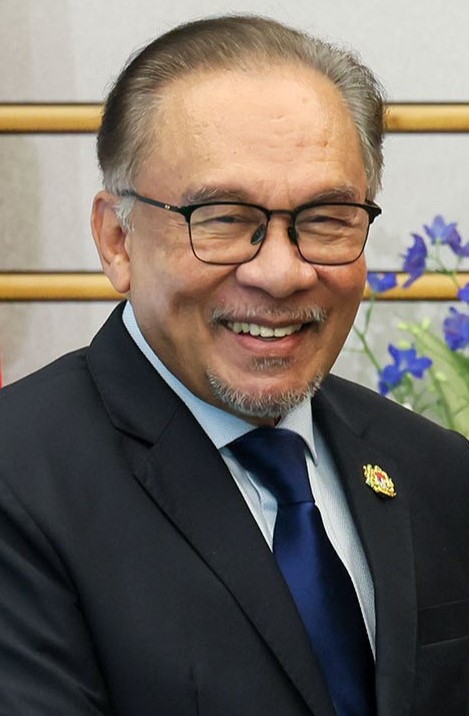
Prime Minister Datuk Seri Anwar Ibrahim has signalled Malaysia's intent to deepen engagement with Uzbekistan across a broad spectrum of strategic sectors, following high-level discussions with Uzbekistan President Shavkat Mirziyoyev in Tashkent. The unscheduled meeting, which took place as Anwar's aircraft paused en route to the ASEAN-Russia Commemorative Summit in Kazan, Russia, underscores Kuala Lumpur's growing focus on Central Asian partnerships amid shifting geopolitical dynamics in the wider Asian region.
The bilateral conversation identified multiple avenues for expanded cooperation, with particular emphasis placed on energy security, trade flows, and investment opportunities that could benefit both nations economically. Anwar highlighted the complementary nature of Malaysian and Uzbek interests, especially in the petroleum and natural gas sectors, which both leaders acknowledged could strengthen regional energy resilience while supporting each country's development priorities. For Malaysia, such partnerships in hydrocarbon-related sectors could provide alternative sources of supply diversification and technical expertise, while offering Uzbekistan expanded market access through Southeast Asian channels.
Beyond the commodity-focused discussion, both leaders recognised education as a critical pillar for long-term bilateral cooperation. Malaysia's established reputation in Islamic higher education and research institutions positions it as an attractive partner for Uzbekistan, where there is considerable interest in expanding educational exchanges and capacity-building initiatives. Such programmes would enable students and academics from both countries to develop deeper understanding of shared cultural and religious heritage while acquiring contemporary skills applicable to their home economies.
The halal industry emerged as another significant point of convergence. Malaysia's global standing as a hub for halal certification, standards-setting, and product development creates natural synergies with Uzbekistan, a predominantly Muslim nation with burgeoning interest in halal-compliant manufacturing and commerce. Expanding this sector could position both countries advantageously within global halal supply chains, particularly as demand from Islamic markets continues to accelerate across multiple product categories from food and beverages to pharmaceuticals and cosmetics.
Tourism represented a further element of the discussed agenda. Uzbekistan's rich historical and cultural attractions, anchored in its pivotal position along the ancient Silk Road, hold considerable appeal for Malaysian travellers seeking immersive experiences in Islamic civilisation and Central Asian heritage. Reciprocally, Malaysia's diverse attractions and developed tourism infrastructure could draw more visitors from Uzbekistan, creating employment and revenue opportunities in both nations' service sectors. Enhanced air connectivity and tourism promotion initiatives could catalyse this growth trajectory.
Anwar's emphasis on preserving and advancing Islamic civilisation reflects a deeper intellectual dimension to the proposed partnership. Both nations share commitment to scholarly traditions and knowledge systems rooted in Islamic learning, offering opportunities for collaborative research, cultural preservation initiatives, and academic exchanges that transcend conventional economic metrics. This framing positions bilateral relations within a civilisational context that appeals to both governments' domestic constituencies while fostering people-to-people connections.
The timing of these discussions carries significance within broader Southeast Asian strategic positioning. As ASEAN navigates complex relationships with major powers and seeks to maintain centrality in regional architecture, partnerships with non-regional actors like Uzbekistan can provide valuable diversification and alternative sources of cooperation. Uzbekistan's growing engagement with ASEAN, which Anwar acknowledged, suggests a mutual recognition of complementary interests and the value of deeper institutional connectivity.
The energy security dimension warrants particular attention for Malaysian policymakers. With regional energy demands rising and climate considerations reshaping global energy markets, establishing robust partnerships in petroleum and gas sectors provides Malaysia with supply options and technological collaboration pathways. For Uzbekistan, tapping into Malaysian expertise in energy infrastructure, refining, and downstream operations could enhance its value chain positioning and export competitiveness.
Investment cooperation offers avenues for Malaysian companies to establish presence in Central Asia while attracting Uzbek capital into Southeast Asian ventures. The region's geographic position, labour markets, and emerging industrial capabilities make Uzbekistan an increasingly attractive investment destination, particularly for Malaysian firms seeking to diversify their operational footprints beyond Southeast Asia. Conversely, Uzbek investors seeking exposure to ASEAN economies and their integration processes could find Malaysia a logical entry point.
Anwar's lighthearted reference to the Uzbekistan national football team's preparation for the 2026 FIFA World Cup campaign illustrated the human dimension of diplomatic engagement. Such gestures, though seemingly minor, contribute to building personal rapport between leaders and humanising international relations in ways that resonate with broader publics, potentially facilitating smoother cooperation across formal institutional channels.
The discussion framework emphasises equitable and inclusive development, suggesting that Malaysia and Uzbekistan envision their partnership as contributing not merely to bilateral economic expansion but to broader regional development objectives. This language indicates awareness that sustainable partnerships must generate benefits across multiple stakeholder groups and support longer-term structural transformation rather than extractive transactions.
Moving forward, the challenge will lie in converting these identified areas of potential cooperation into concrete programmes, institutional mechanisms, and measurable outcomes. Formal working groups, regular high-level consultations, and dedicated trade and investment bodies could operationalise the vision articulated during this Tashkent meeting. For Malaysian observers, the engagement signals sophisticated diplomatic engagement extending beyond traditional Southeast Asian focus, positioning the nation as a bridge between Islamic civilisations and a broker of cross-regional partnerships increasingly vital in multipolar competition for influence and economic opportunity.