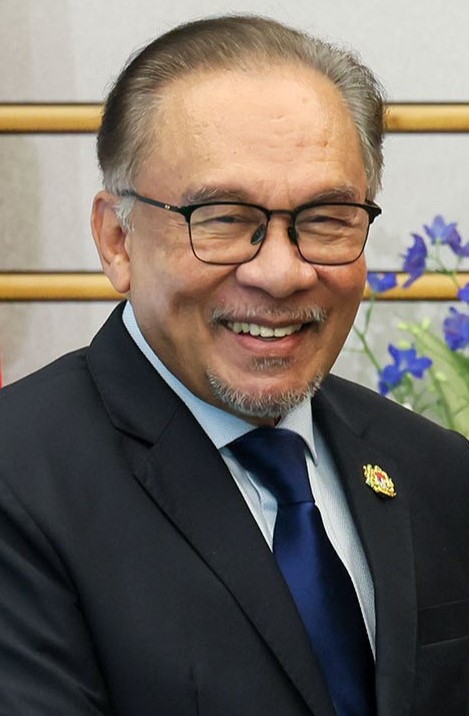
Malaysia has thrown its diplomatic weight behind efforts to resolve escalating tensions between the United States and Iran, with Prime Minister Datuk Seri Anwar Ibrahim publicly welcoming the framework agreement announced by US President Donald Trump on Sunday. The undertaking signals a potential turning point in months of brinkmanship between Washington and Tehran, with Trump confirming that an agreement has been finalised and authorising the reopening of the Strait of Hormuz alongside the lifting of a naval blockade that had choked off Iranian maritime access.
Anwar's swift endorsement through a Facebook statement underscores Malaysia's strategic interest in regional stability and uninterrupted global commerce. The Prime Minister specifically commended Pakistan's mediation role in brokering the understanding, recognising the quiet diplomatic footwork that often precedes major geopolitical breakthroughs. This acknowledgment reflects Malaysia's broader approach to international disputes: emphasising dialogue over confrontation and elevating the contributions of regional actors who work behind the scenes to build consensus.
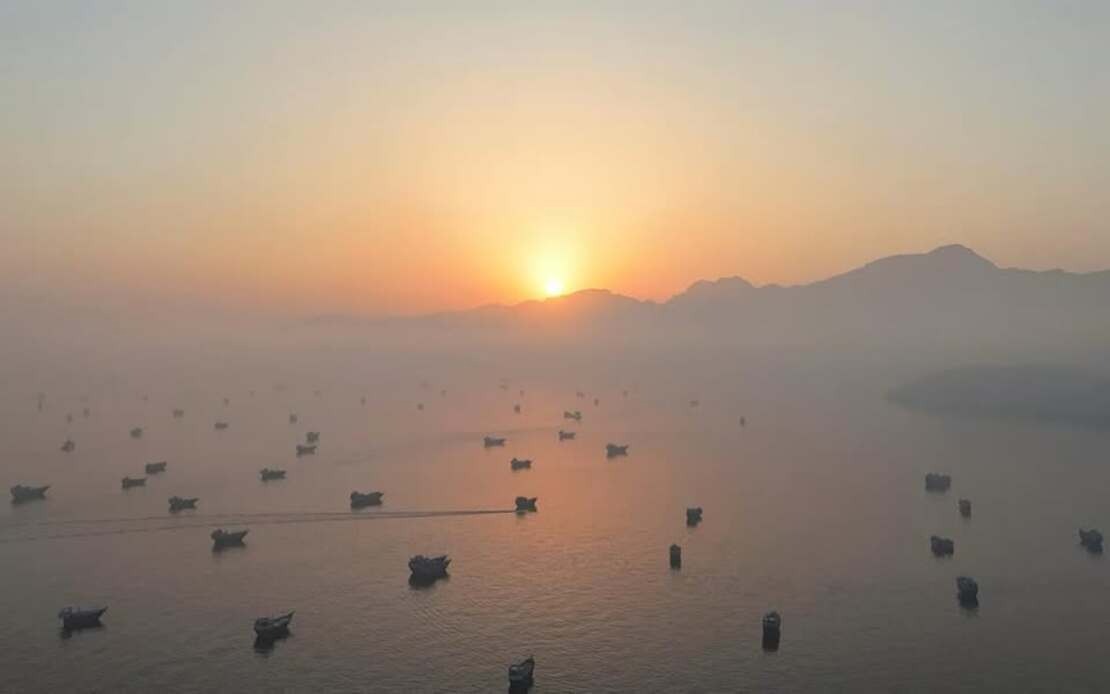
The reopening of the Strait of Hormuz occupies central prominence in Anwar's response, which he characterised as a matter demanding immediate action. One of the world's most strategically vital waterways, the strait channels roughly one-third of globally traded seaborne oil and a significant portion of liquefied natural gas shipments. For Malaysia, which depends substantially on stable energy markets and predictable maritime commerce, any prolonged closure threatens both economic growth and industrial competitiveness. The narrowing of this critical chokepoint by either party inflicts pain across supply chains from East Asia to Europe, elevating energy costs and triggering uncertainty among manufacturers and traders.
Anwar's framing of continued disruption as serving no party's interests carries implicit pressure on both Washington and Tehran to follow through on commitments. His language—calling for good faith conduct, swift implementation, and binding agreements—suggests Malaysia views the current window as fragile. The Prime Minister appears acutely aware that de-escalation frameworks can unravel without sustained commitment from all signatories and that external provocations could easily trigger renewed hostilities. This concern reflects historical patterns in Middle Eastern diplomacy, where agreements have repeatedly collapsed due to miscommunication, domestic political pressures, or perceived violations.
The call for external actors to refrain from actions that could undermine diplomacy carries particular weight given the complex web of regional and international interests in the Persian Gulf. Malaysia's explicit warning against behaviour that might reignite conflict serves as a gentle but clear signal to all parties—not least China, Russia, and European nations—that the international community has invested diplomatic capital in this breakthrough and expects responsible conduct. For Southeast Asian nations with limited direct military capacity but significant trade exposure, such multilateral messaging carries outsized importance.
By offering Malaysia's readiness to support a just and lasting settlement, Anwar positions the country as a constructive participant in post-conflict stabilisation. This commitment aligns with Malaysia's broader foreign policy orientation toward inclusive, rules-based international engagement. However, it also carries implicit expectations that any future arrangement should not merely freeze the status quo but address underlying grievances driving US-Iran tensions—issues including sanctions regimes, regional proxy conflicts, and nuclear programme concerns that have festered for years.
The significance of this moment extends beyond bilateral US-Iranian relations to affect broader Southeast Asian economic and security calculations. Malaysia's significant maritime trade volumes, energy imports, and technology sector ties mean that Persian Gulf instability directly impacts domestic prosperity. Any prolonged disruption of shipping through the Strait of Hormuz cascades rapidly into Malaysian ports and manufacturing facilities, while energy price spikes ripple through utility costs and industrial competitiveness. By actively supporting de-escalation, Anwar effectively champions Malaysia's economic self-interest while framing it within a universalist language of international peace and shared prosperity.
The memorialisation of the understanding through a formal memorandum, as both parties have committed, represents a crucial step toward irreversibility. Written agreements create legal and diplomatic anchors that verbal understandings cannot provide. Malaysia's emphasis on swift formalisation reflects understanding that documents carry weight in international affairs—they can be invoked by third parties, cited in international forums, and serve as reference points for compliance monitoring. The Malaysian government's call for immediate translation of the framework into durable settlement reflects experienced diplomatic judgment about the precariousness of informal accords.
Regionally, Malaysia's response positions Southeast Asia as invested in Middle Eastern stability rather than indifferent to great power competition in that arena. While the region maintains careful balancing acts between major powers, situations affecting global energy security and maritime trade inevitably draw Southeast Asian attention and engagement. By publicly backing de-escalation, Anwar signals that ASEAN nations, though geographically distant from the Persian Gulf, cannot afford disengagement from conflicts threatening critical supply lines and investment destinations.
The broader international context matters substantially for understanding Malaysia's stance. Successive supply shocks from Middle Eastern conflicts have historically damaged Asian economies more severely than Western ones, given the region's dependence on energy imports and manufacturing-driven growth models. Malaysian policymakers remember oil price spikes of 2008 and subsequent inflationary periods that constrained government spending and household purchasing power. Preventing similar disruptions now ranks among legitimate national interests worthy of diplomatic attention and public support for peace initiatives.
Looking forward, Malaysia's endorsement carries implications for how other Southeast Asian nations might position themselves. Singapore, Vietnam, and Indonesia—equally dependent on Hormuz shipping—may follow similar diplomatic trajectories, creating a coordinated regional voice for continued de-escalation. This collective pressure from economically significant maritime states can subtly reinforce international expectations that all parties maintain constructive engagement and avoid provocative actions that could unravel nascent agreements.
The Malaysian response ultimately reflects sophisticated understanding that stability in distant regions remains relevant to national prosperity and security. By actively supporting US-Iran de-escalation while calling for swift implementation and international vigilance, Anwar Ibrahim positions Malaysia within a constructive diplomatic consensus favouring resolution over renewed confrontation. How successfully the parties to the agreement honour their commitments will substantially determine whether this moment marks genuine progress toward durable peace or merely another temporary pause in a protracted rivalry.