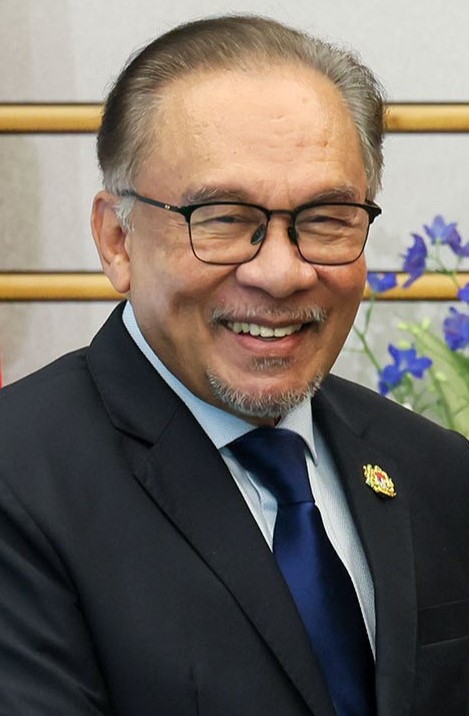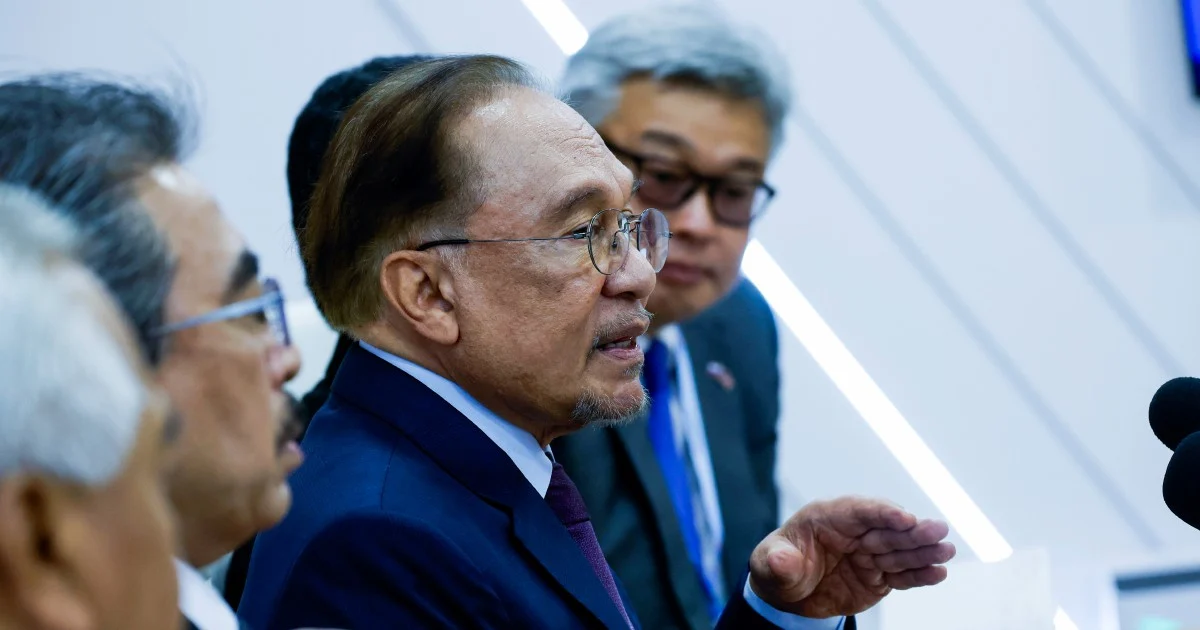
Prime Minister Anwar Ibrahim expressed Malaysia's support for the emerging peace framework between the United States and Iran during regional diplomatic discussions, while simultaneously urging world powers to sustain their attention on the humanitarian catastrophes unfolding in Gaza and Lebanon. Speaking from Kazan, where Malaysian officials are engaged in multilateral engagement, Anwar underscored that any genuine shift towards Middle Eastern stability must be comprehensive rather than selective, encompassing the full spectrum of conflicts tormenting the region.
The Malaysian position reflects a careful diplomatic balancing act that has increasingly defined Southeast Asia's approach to Middle Eastern affairs. While acknowledging the potential significance of reduced US-Iran tensions—a relationship whose volatility has directly affected regional security, petroleum markets, and international commerce—Anwar stressed that isolated agreements cannot substitute for holistic peacebuilding efforts. The Prime Minister's remarks signal Malaysia's expectation that diplomatic breakthroughs should expand the scope of international focus rather than narrow it to bilateral reconciliation between major powers.
For Malaysian observers, the US-Iran rapprochement carries particular weight given its potential ramifications for regional maritime security, energy markets, and the broader balance of power in Asia's strategic corridors. Any easing of American-Iranian hostilities could theoretically reduce military tensions that have destabilized shipping lanes through which Malaysian trade heavily flows, and might moderate regional proxy conflicts that have complicated Southeast Asian security calculations. However, Anwar's emphasis on parallel humanitarian concerns reflects Malaysia's growing frustration with what many developing nations perceive as selective international attention based on geopolitical convenience rather than human suffering.
The Palestinian and Lebanese situations represent interconnected humanitarian emergencies that have fractured regional stability and displaced populations at unprecedented scales. Malaysia, with its substantial Muslim-majority population and historical commitment to Palestinian rights, has witnessed domestic resonance with these crises. The government's diplomatic messaging attempts to channel this public concern into coherent international advocacy while maintaining constructive relationships with key global actors. Anwar's dual positioning—welcoming one agreement while pressing for expanded humanitarian commitment—reflects this delicate equilibrium.
From a Malaysian perspective, the Gaza and Lebanon emergencies carry implications extending far beyond Middle Eastern borders. Both crises generate refugee pressures, radicalization risks, and destabilize the broader regional environment within which Southeast Asian states must operate. Malaysia, which hosts significant Palestinian diaspora populations and maintains cultural ties throughout the Levant, experiences these conflicts not as distant geopolitical abstractions but as matters affecting its own communities and security landscape. This domestic dimension gives urgency to official Malaysian statements calling for comprehensive rather than compartmentalized international engagement.
The international system's apparent tendency to celebrate bilateral diplomatic achievements while humanitarian catastrophes continue unabated has become a focal point of criticism from middle powers like Malaysia. Anwar's comments reflect a broader developing-world argument that the great powers' diplomatic calendar frequently prioritizes their bilateral relationships over the actual reduction of human suffering. This critique gains traction in forums where countries representing the Global South articulate their distinct perspectives on international order and responsibility.
Malaysia's approach also demonstrates the constraints facing regional actors attempting to influence great-power behavior. While Southeast Asian nations possess limited direct leverage over US-Iran relations, they can and do deploy diplomatic messaging to frame international norms and expectations. By consistently coupling congratulations for breakthrough agreements with reminders about ongoing humanitarian emergencies, Malaysia contributes to a discursive environment pressuring wealthy nations to expand rather than limit their international engagement. This represents a form of soft power accessible to smaller economies lacking military capabilities or economic dominance.
The statement from Kazan also carries implications for Malaysia's role within broader Islamic and Non-Aligned Movement forums where Middle Eastern affairs command significant attention. As a Muslim-majority democracy with diplomatic credibility across diverse geopolitical blocs, Malaysia frequently articulates positions intended to bridge Western and Islamic-world perspectives. Anwar's balanced acknowledgment of the US-Iran agreement coupled with insistence on Gaza-Lebanon focus attempts to maintain this bridging function while signaling that Malaysia will not permit great-power diplomacy to eclipse foundational humanitarian principles.
Moving forward, Malaysia's diplomatic positioning suggests the country will likely amplify calls for multilateral mechanisms that address Middle Eastern conflicts comprehensively rather than episodically. This could manifest in advocacy for stronger United Nations engagement, humanitarian assistance coordination, and reconstruction frameworks encompassing all conflict-affected populations. Such positions align Malaysia's broader foreign policy orientation toward strengthening international institutions and collective responsibility frameworks—an approach contrasting with unilateral great-power arrangements that marginalize smaller nations' voices.
The interconnection between Middle Eastern stability and Southeast Asian security interests means Malaysia will continue monitoring how the US-Iran peace efforts translate into tangible de-escalation across regional conflicts. Should the agreement genuinely reduce tensions and create political space for addressing humanitarian emergencies in Gaza and Lebanon, Malaysian officials could claim prescience in pressing for comprehensive peace. Conversely, if breakthrough agreements prove insufficient to alter ground realities for suffering populations, Malaysia's cautionary emphasis gains retrospective validation, potentially enhancing its diplomatic credibility in subsequent international negotiations.