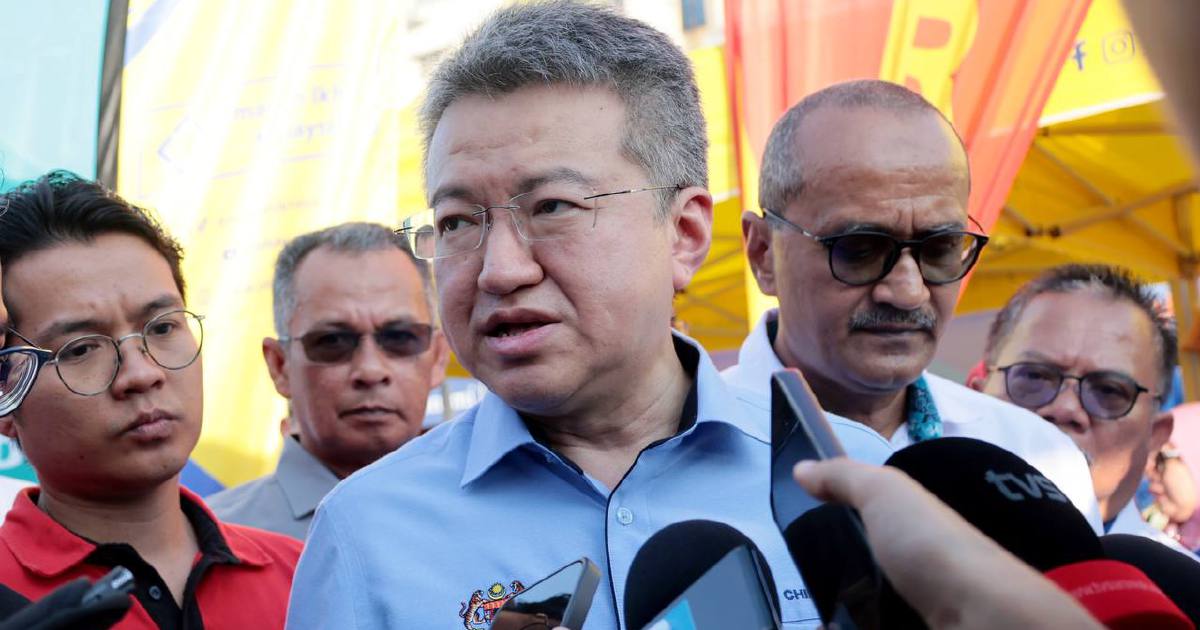
Malaysia's government has signalled an intent to forge fresh international relationships and strengthen economic ties following Prime Minister Datuk Seri Anwar Ibrahim's high-profile visits to Russia and Turkmenistan, marking a deliberate shift towards diversifying the nation's diplomatic and commercial engagement beyond traditional partners in Europe and the Americas.
The travels to these two strategically important nations represent more than courtesy calls—they reflect Putrajaya's broader strategic calculus to position Malaysia as a neutral, pragmatic player capable of maintaining constructive relations across geopolitical divides. By engaging both Moscow and Ashgabat, Malaysia demonstrates a willingness to build bridges with countries that occupy complex positions in the global arena, a posture that carries both opportunities and risks for a nation keen to protect its sovereignty and economic interests.
Russia remains a significant energy producer and defence partner for many nations, while Turkmenistan serves as a crucial link between Europe and Asia with substantial hydrocarbon reserves and emerging infrastructure projects. For Malaysia, establishing or deepening partnerships with these nations opens avenues for energy security discussions, technology transfer, educational exchanges, and potential investment flows. The timing of these visits suggests Putrajaya is acutely aware that traditional Western alliances alone cannot address the full spectrum of Malaysia's development needs.
The visits also signal a recalibration of Malaysia's foreign policy under the current administration, one that emphasises bilateral engagement and mutual benefit rather than alignment with particular blocs. This approach resonates with Southeast Asia's broader tradition of strategic autonomy, embodied in principles like the ASEAN Way. For Malaysian policymakers, the ability to engage constructively with nations across different regions enhances the country's leverage in international forums and expands the toolkit available for addressing challenges ranging from trade to security.
Economically, partnerships with Russia and Turkmenistan could yield dividends in sectors critical to Malaysia's transition towards a high-income nation. Energy cooperation, infrastructure development, and knowledge exchange in areas such as technology and agriculture represent potential areas for substantive collaboration. Given Malaysia's vulnerability to global energy price fluctuations and its dependence on stable commodity markets, diversifying partnerships in resource-rich regions provides strategic resilience.
However, deepening ties with these nations requires careful navigation of international sensitivities. Malaysia's relationships with Western partners, particularly the United States and European Union, remain economically and strategically important. The country must balance engagement with Russia and Turkmenistan against potential concerns raised by traditional allies, especially given the evolving geopolitical environment in Eastern Europe and persistent international scrutiny of sanctions regimes.
Within Southeast Asia, Malaysia's outreach carries significance for regional dynamics. As larger powers compete for influence across the Indo-Pacific, smaller nations like Malaysia often find themselves calibrating their foreign policy to maintain space for independent action. By actively cultivating partnerships with diverse players, Malaysia reinforces ASEAN's principle of non-alignment while subtly enhancing its own negotiating position within regional frameworks.
The Prime Minister's diplomatic missions also underscore the importance Malaysia attaches to Central Asia, a region often overlooked by Southeast Asian capitals despite its growing economic potential and strategic importance in global supply chains. Central Asian states, including Turkmenistan, are increasingly integrated into regional trade networks and infrastructure projects, from energy pipelines to digital connectivity initiatives. Malaysian engagement in this space reflects recognition that prosperity and security in the modern era extend well beyond Southeast Asia's borders.
Putrajaya's expansion of global partnerships must also account for the expectations of Malaysian stakeholders—businesses seeking new markets, workers potentially benefiting from skills exchanges, and citizens concerned about national security implications of closer ties with any foreign power. Clear communication of the benefits and safeguards associated with these partnerships becomes essential for building domestic consensus around the government's diplomatic ambitions.
Looking forward, the success of Malaysian initiatives with Russia and Turkmenistan will likely hinge on translating high-level political visits into concrete cooperative arrangements—whether through trade agreements, investment partnerships, or institutional frameworks fostering long-term engagement. Subsequent missions by ministers and delegations from relevant sectors will be crucial in demonstrating that these diplomatic overtures have substance beyond symbolic gestures.
For Malaysia, the cultivation of partnerships across the Eurasian landmass reflects both ambition and pragmatism. As global power dynamics shift and economic opportunities emerge in unexpected quarters, the nation's willingness to engage with diverse partners positions it to capture opportunities while maintaining the strategic independence that smaller nations must carefully protect. The full implications of these diplomatic initiatives will become clearer as Putrajaya translates diplomatic goodwill into measurable outcomes benefiting Malaysia's economy and people.

