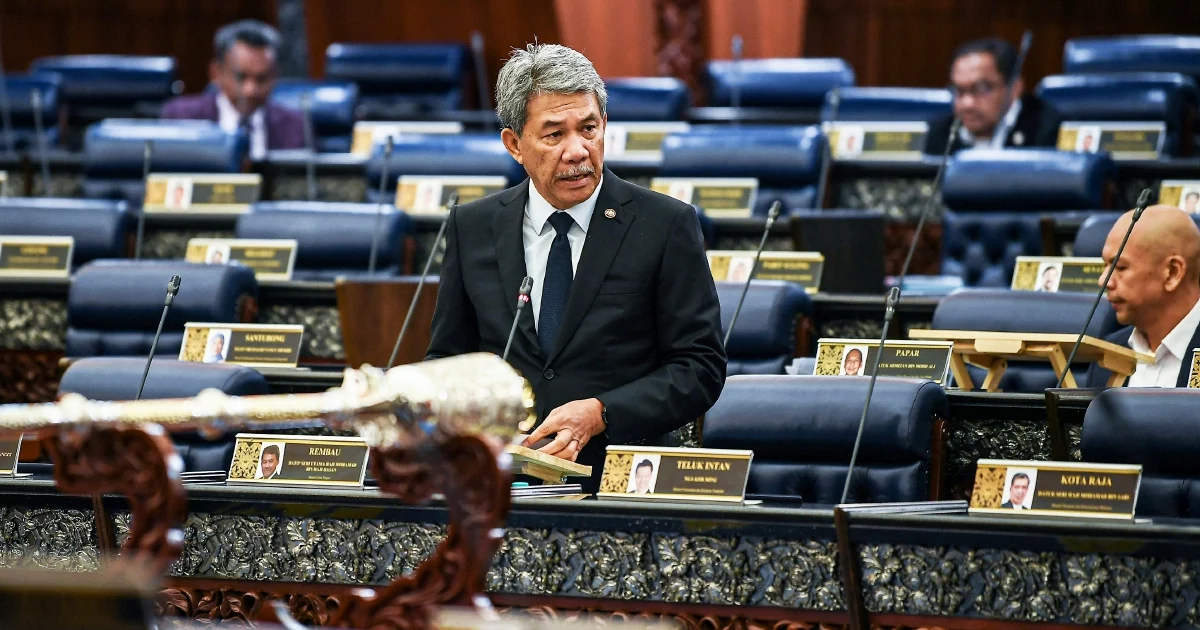
Malaysia has formally restated its position of non-recognition towards Myanmar's administration that emerged following contested elections, with officials insisting that any recent interactions with Naypyidaw-based authorities must not be misread as a shift in diplomatic stance. The clarification underscores Kuala Lumpur's complex balancing act in managing its relationship with a neighbouring nation whose government remains internationally disputed and isolated by much of the Western world.
The statement from Malaysian leadership addresses growing regional speculation about the implications of recent high-level visits and communications between officials from both countries. Such diplomatic manoeuvres in Southeast Asia often carry symbolic weight, with observers scrutinising whether incremental engagement signals a fundamental change in how governments regard controversial administrations. Malaysia's explicit reiteration seeks to close any interpretive gap that might arise from operational-level contacts that have become necessary to manage bilateral affairs despite the lack of formal diplomatic recognition.
Myanmar's political trajectory since 2021 has created an unprecedented situation within the Association of Southeast Asian Nations. The country's governing structure, established through military intervention and subsequent electoral processes that most major democracies do not acknowledge as legitimate, occupies an ambiguous space in international relations. For Malaysia and other ASEAN members, navigating this reality requires sophisticated diplomatic language that preserves both strategic interests and stated principles regarding democratic governance.
From a Malaysian perspective, the distinction between operational engagement and formal recognition carries practical significance. Officials in Kuala Lumpur must manage security concerns, address cross-border humanitarian issues, and maintain trade relationships while simultaneously refusing to legitimise an administration that many within Malaysia's civil society regard as having come to power through undemocratic means. This dual approach reflects the constraints that smaller Southeast Asian nations face when neighbouring countries undergo internal political upheaval.
The clarification also reflects internal Malaysian politics, where significant segments of the population, particularly those sympathetic to Myanmar's democracy movement, expect the government to maintain principled positions on governance issues. By explicitly restating non-recognition, Malaysian officials signal to these constituencies that pragmatic engagement does not equate to abandoning stated commitments to democracy and legitimate governance. This messaging becomes particularly important given Malaysia's own recent experience with political transitions and public scrutiny of governance questions.
Within the ASEAN framework, Malaysia's position aligns with broader bloc ambivalence towards Myanmar's situation. The regional organisation has struggled to develop a unified response to Myanmar's internal crisis, reflecting divergent national interests and varying domestic political pressures across member states. Malaysia's clarification can be read partly as an effort to maintain credibility within this complicated regional dynamic, where different countries adopt markedly different approaches to engaging with the junta.
The recent engagement that prompted this clarification likely involved practical matters requiring bilateral communication—border security, trade procedures, refugee flows, or other transnational issues that cannot be suspended despite political disagreements. Such necessary contact points create ongoing tension between maintaining rhetorical distance and managing real-world policy requirements. Myanmar faces multiple crises including armed conflict, humanitarian catastrophe, and economic collapse, all of which generate spillover effects across Southeast Asia. Malaysia, sharing a maritime border and hosting significant Myanmar expatriate communities, faces direct implications from these developments.
From Malaysia's economic perspective, the distinction matters less than from a diplomatic one. Trade relationships and investment flows continue between Malaysian and Myanmar-based entities regardless of government recognition status. Malaysian businesses operating in Myanmar, along with Myanmar nationals working in Malaysia, constitute practical relationships that survive formal non-recognition. By clarifying that engagement does not imply recognition, Malaysian officials attempt to preserve space for economic activity while maintaining principled political distance.
The humanitarian dimension adds further complexity. Myanmar's displaced persons, political prisoners, and vulnerable populations have created significant demands on neighbouring countries' resources and policies. Malaysia, already managing substantial refugee and migrant populations, faces consequences of Myanmar's instability whether or not it formally recognises the administration. Engagement with Naypyidaw authorities on humanitarian grounds can occur independently of recognising the administration's political legitimacy.
International precedent supports Malaysia's position. Many countries maintain de facto diplomatic and economic relations with governments they do not formally recognise. Such arrangements allow practical cooperation on shared interests while preserving the right to challenge or eventually revoke recognition if circumstances change. Malaysia's approach potentially preserves diplomatic flexibility should Myanmar's political situation evolve.
Looking forward, Malaysia's clarified position establishes parameters for future engagement while leaving room for policy adjustment. If Myanmar's administration eventually transitions towards arrangements that Malaysia regards as more legitimate, the non-recognition stance could potentially shift. Conversely, if the situation deteriorates further, Malaysia could potentially take stronger restrictive measures. The explicit distinction between recognition and engagement provides strategic space for such recalibration.
For regional observers, Malaysia's statement reinforces that ASEAN engagement with Myanmar remains transactional rather than indicative of normalised relations. This distinction matters for broader regional stability, international diplomacy, and Malaysia's own domestic political consistency. The clarification demonstrates how middle-sized Southeast Asian nations balance pragmatic necessity against political principle when confronting regional crises.

