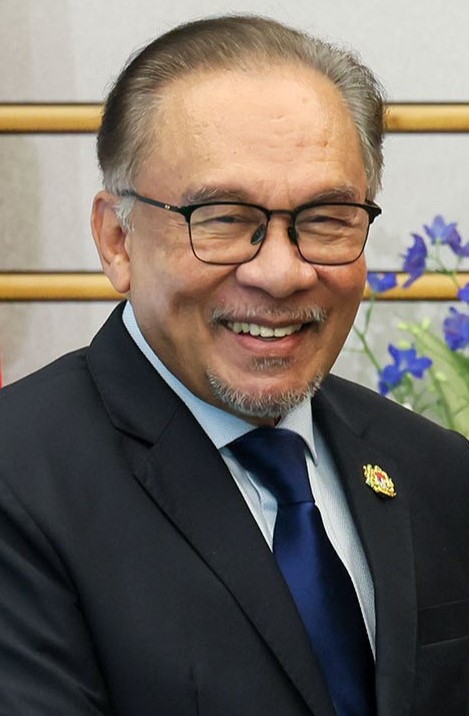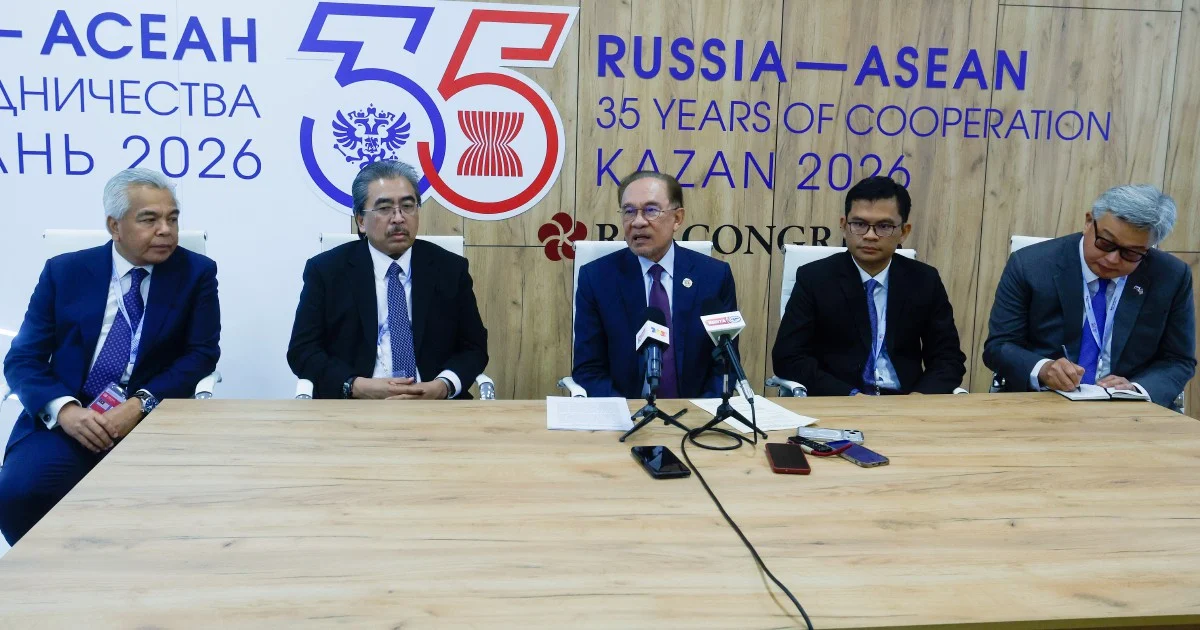
Prime Minister Datuk Seri Anwar Ibrahim has instructed government agencies to accelerate the rollout of visa-free travel facilities for Russian visitors, positioning the initiative as a cornerstone of Malaysia's broader tourism recovery strategy. The directive, announced during high-level engagements in Kazan, underscores the government's determination to tap into a previously underutilised source market as the nation seeks to rebuild visitor numbers and tourism revenues following pandemic-related disruptions.
The move reflects a pragmatic reassessment of Malaysia's tourism positioning in the post-pandemic landscape. With traditional European and North American markets displaying uneven recovery patterns, Southeast Asian nations have increasingly turned attention to emerging source regions. Russia, despite geopolitical complexities, represents a substantial middle-class consumer base with disposable income and demonstrated interest in tropical and cultural tourism experiences. By removing entry barriers, Malaysia positions itself competitively against regional rivals such as Thailand and Indonesia that have similarly expanded their visa policies.
The expedited implementation process carries particular significance given the administrative machinery required to operationalise such arrangements. Coordinating between Malaysia's Ministry of Home Affairs, the immigration department, and relevant tourism authorities demands streamlined decision-making and coordinated rollout protocols. The Prime Minister's direct involvement signals high-level political commitment, ensuring that bureaucratic timelines align with strategic objectives rather than defaulting to conventional processing speeds. This acceleration model may establish precedents for future bilateral tourism initiatives with other nations.
From a Russian perspective, the removal of visa requirements eliminates a substantial friction point that often discourages leisure travellers from pursuing Asian holidays. Extended visa processing times and documentation requirements impose both financial and temporal costs, particularly for middle-income travellers calculating trip feasibility. Visa-free access directly translates into increased spontaneous tourism, group bookings, and repeat visitation, outcomes that tourism boards actively pursue. For Malaysian operators in hospitality, retail, and cultural tourism sectors, this accessibility generates tangible business opportunities through expanded visitor volumes.
The Malaysian tourism sector has experienced volatile performance over recent years. International visitor arrivals and revenue generation have fluctuated considerably, driven by global travel patterns, currency valuations, and competitive positioning. Strategic initiatives like visa facilitation represent measurable policy interventions designed to address supply-side constraints that limit visitor growth. Each visa elimination negotiated with major source markets contributes incrementally to Malaysia's competitive positioning within the region's tourism ecosystem, where ease of entry functions as a significant differentiator for travellers planning regional itineraries.
The timing of this announcement carries diplomatic undertones worth examining. Enhanced engagement with Russia on mutually beneficial commercial matters, including tourism cooperation, reflects Malaysia's broader foreign policy orientation emphasising pragmatic bilateral relationships unconstrained by ideological or geopolitical divisions. This positioning allows Malaysia to maintain diverse international partnerships while advancing national economic interests. Tourism serves as a particularly effective vehicle for such engagement, generating genuine mutual benefit without requiring alignment on sensitive political matters.
Implementing visa-free arrangements requires reciprocal coordination with Russian authorities, potentially including complementary Russian policy measures facilitating Malaysian travel to Russia. Such reciprocal frameworks strengthen bilateral ties while distributing benefits across both nations' tourism and hospitality sectors. The infrastructure supporting visa-free travel—enhanced entry documentation processing, updated immigration systems, and border management protocols—creates operational efficiencies that may benefit other bilateral relationships as well.
For Malaysian operators, this policy shift demands preparation and strategic positioning. Hospitality providers, tour operators, and retail establishments serving international tourists must prepare for expanded Russian visitor demographics, requiring cultural adaptation, multilingual services, and marketing efforts tailored to Russian preferences and travel patterns. Hotels in major destinations such as Kuala Lumpur, Penang, and Langkawi have particular incentives to enhance Russian-language accommodations and promotional outreach.
Regionally, Malaysia's acceleration of Russia visa-free travel may influence competitive positioning among Southeast Asian destinations. Thailand's longstanding Russian visitor base and established tourism infrastructure provide established benchmarks. Indonesia's tourism recovery efforts similarly incorporate strategic bilateral engagement. Malaysia's move signals determination to capture proportionate share of Russian tourism flows, potentially stimulating competitive policy improvements across the region that ultimately benefit all Southeast Asian tourism sectors through expanded overall visitor volumes.
The initiative also intersects with broader economic diversification objectives. Tourism revenue generation supports employment across hospitality, transportation, retail, and entertainment sectors while generating foreign exchange critical for Malaysia's balance of payments position. Visitor spending circulates through local economies, benefiting small enterprises and regional communities beyond major urban centres. This ripple effect amplifies the significance of visitor growth initiatives beyond headline arrivals figures.
Monitoring mechanisms will prove essential as implementation proceeds. Tracking visitor patterns, spending behaviour, and sectoral impacts provides evidence for future policy refinements and demonstrates accountability to stakeholders. Success metrics extending beyond simple arrival numbers—including length of stay, spending per visitor, and repeat visitation rates—will determine whether the visa-free arrangement achieves its intended tourism revitalisation objectives.
The Prime Minister's directive exemplifies how direct political leadership can accelerate policy implementation when clear strategic benefits align with national economic objectives. By prioritising visa-free travel facilitation, Malaysia signals its commitment to tourism-led growth while maintaining flexible bilateral relationships responsive to contemporary geopolitical realities and economic opportunities.