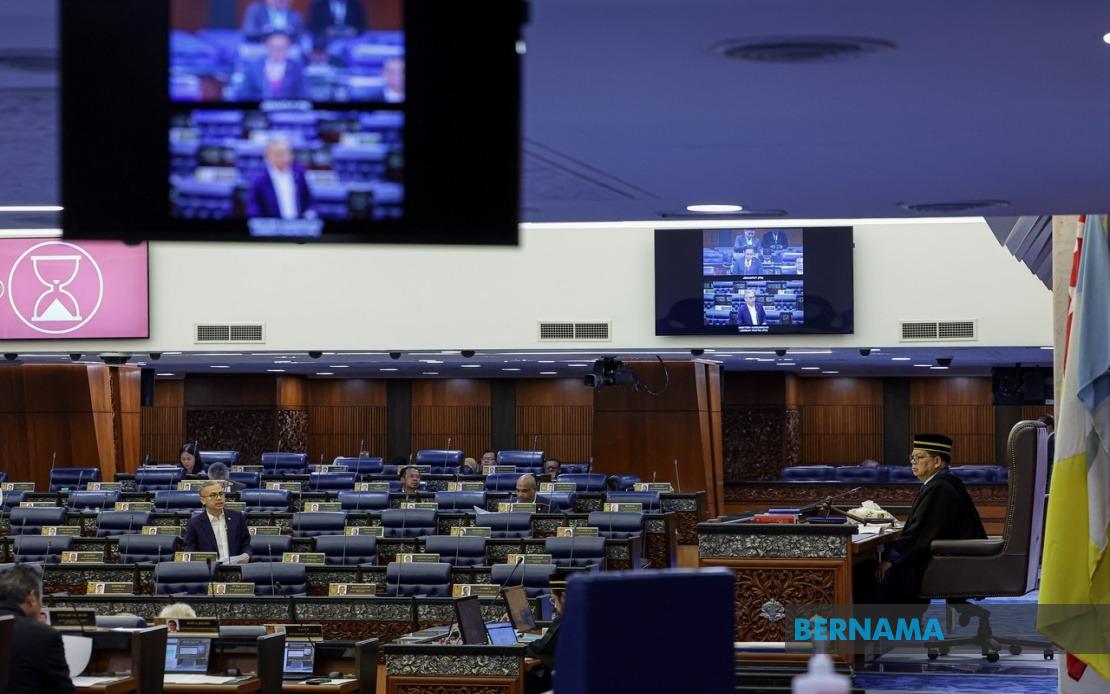
Malaysia has moved to strengthen protections for minors online by establishing mandatory age-verification systems across social media platforms, a regulatory shift Communications Minister Datuk Fahmi Fadzil outlined to parliament on June 24. The requirement sits at the heart of the Child Protection Code (CPC), which the Malaysian Communications and Multimedia Commission (MCMC) formally published on May 22 and activated on June 1 under the Online Safety Act 2025 (Act 866). Working in tandem with the Risk Mitigation Code (RMC), the framework aims to reshape how social platforms approach user registration and safeguard younger audiences from online exploitation and harm.
The regulatory approach departs from traditional identity verification by focusing instead on confirming age alone, reducing the personal data that companies must collect and retain. Licensed social media service providers must now implement these verification mechanisms before permitting account creation, with the minimum eligible age set at 16 years. Users below this threshold are barred from establishing accounts, effectively pausing their social media engagement until they reach the designated age of maturity. The policy reflects a deliberate policy choice: rather than permanently excluding children from digital platforms, regulators have opted to delay access until adolescents develop sufficient judgment to navigate online spaces responsibly.
Accuracy and fraud prevention form critical pillars of the verification architecture. Age confirmation cannot rely on self-declaration alone; instead, it must be anchored to official documents issued by Malaysian government authorities. Acceptable credentials include the MyKad identity card, passports, birth certificates, and other government-recognised credentials. This document-backed approach creates a verifiable audit trail while reducing the incentive for young users to misrepresent their age. The requirement also acknowledges Malaysia's multicultural and multinational context by permitting age verification through equivalent official records issued by competent authorities outside Malaysia, ensuring that foreign residents and expatriate families can access the same protections without discrimination based on documentation status.
Data privacy concerns have shaped the CPC's architecture from inception. Service providers must comply with Malaysia's personal data protection regime, adhering strictly to data minimisation and purpose limitation principles. This means companies may collect only information necessary to confirm a user's age; once that verification occurs, retention periods must be carefully circumscribed and deletion processes automated. The framework explicitly prohibits platforms from exploiting age verification as a pretext for harvesting broader personal information. This layered approach—combining age confirmation with tight restrictions on data use—reflects international best practice and responds to widespread anxiety among parents and policymakers about how tech companies monetise user information, particularly from vulnerable young people.
The initiative, branded "Tunggu 16" (Wait Until 16), represents a philosophical repositioning of the relationship between childhood development and digital access. Rather than framing social media as an inherent right for all ages, regulators acknowledge that younger adolescents face disproportionate risks from online predation, algorithmic manipulation, cyberbullying, and exposure to harmful content. By establishing a clear age threshold, Malaysia joins a growing international cohort—including recent proposals in Australia, the United Kingdom, and other jurisdictions—reconsidering whether platforms designed primarily for adult engagement serve children's developmental interests. The policy embeds an implicit argument about maturity: at 16, users are presumed to possess sufficient cognitive capacity and life experience to make more informed choices about their digital presence.
Implementation challenges will test the framework's practical viability. Social media platforms operating in Malaysia must now establish verification workflows that balance security against user convenience, a tension particularly acute in mobile-first markets where many youth access the internet. The requirement to use government documents creates friction points, especially for young people without ready access to MyKad or passport facilities, and may inadvertently exclude marginalised populations already underserved by digital inclusion efforts. Platforms will need to invest in backend infrastructure to validate documents securely while protecting privacy, costs that smaller or regional services may struggle to absorb.
The regulatory intervention also carries implications for Malaysia's competitive digital ecosystem. Large, well-resourced platforms like Facebook, Instagram, TikTok, and YouTube can absorb compliance costs and integrate document verification into onboarding flows. Smaller regional social networks and emerging local platforms may face higher relative burdens, potentially consolidating market power among global giants. This dynamic raises long-term questions about whether strict age-verification mandates inadvertently entrench the dominance of established players at the expense of homegrown alternatives.
From a regional perspective, Malaysia's CPC reflects broader Southeast Asian concerns about child safety online as internet penetration deepens. Other Association of Southeast Asian Nations (ASEAN) members grapple with similar challenges: high youth engagement on social platforms, limited regulatory frameworks, and growing evidence of online harm affecting young people. Malaysia's codified approach—binding on licensed service providers and backed by statutory authority—may serve as a template for neighbouring countries developing their own child protection regimes. Conversely, divergent regulatory standards across the region could fragment the experience for users and create compliance complexity for platforms operating across borders.
Enforcement mechanisms will ultimately determine the CPC's effectiveness. The MCMC must establish monitoring processes to audit platform compliance, investigate complaints, and levy sanctions against non-compliant service providers. The Online Safety Act 2025 grants regulators enforcement powers, but their vigour depends on resource allocation and political will. Sustained public reporting on compliance rates, documented breaches, and remedial actions will help citizens and policymakers assess whether the framework achieves its protective objectives or devolves into a regulatory ornament.
The framework also acknowledges that age verification alone cannot eliminate online risks. The CPC operates in concert with the RMC, which addresses content moderation, reporting mechanisms, and platform accountability. Together, these instruments attempt to create a more holistic protective environment. However, the most determined young users may circumvent age checks using false credentials, borrowed documents, or virtual private networks, necessitating complementary strategies around digital literacy, parental engagement, and platform-level content safeguards.
Looking ahead, Malaysia's government has signalled its intent to position itself as a thoughtful regulator of digital spaces—neither prohibitionist nor laissez-faire, but seeking middle ground through prescriptive yet flexible mandates. The "Tunggu 16" policy will be closely monitored by technology companies, civil liberties advocates, child welfare organisations, and policymakers worldwide. If successful, it may demonstrate that age-verification can be implemented at scale without catastrophic privacy breaches or undue friction. If implementation falters, it could reinforce arguments that such requirements are impractical, economically burdensome, or ineffective at preventing determined bad actors. Either way, Malaysia's approach will shape the evolving global conversation about how democracies can protect children online while preserving legitimate innovation and user choice.

