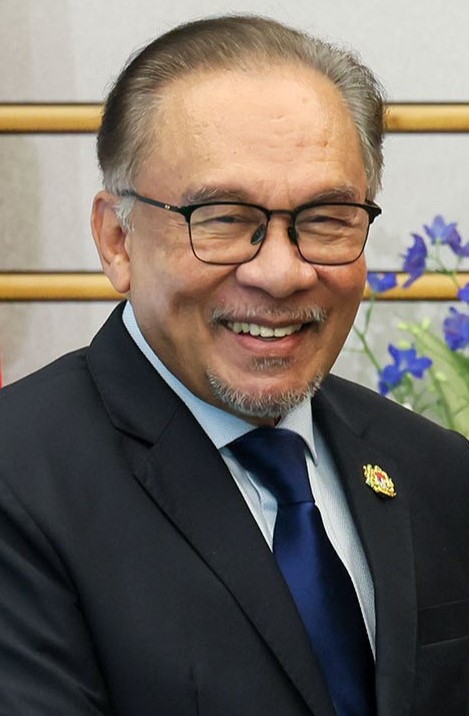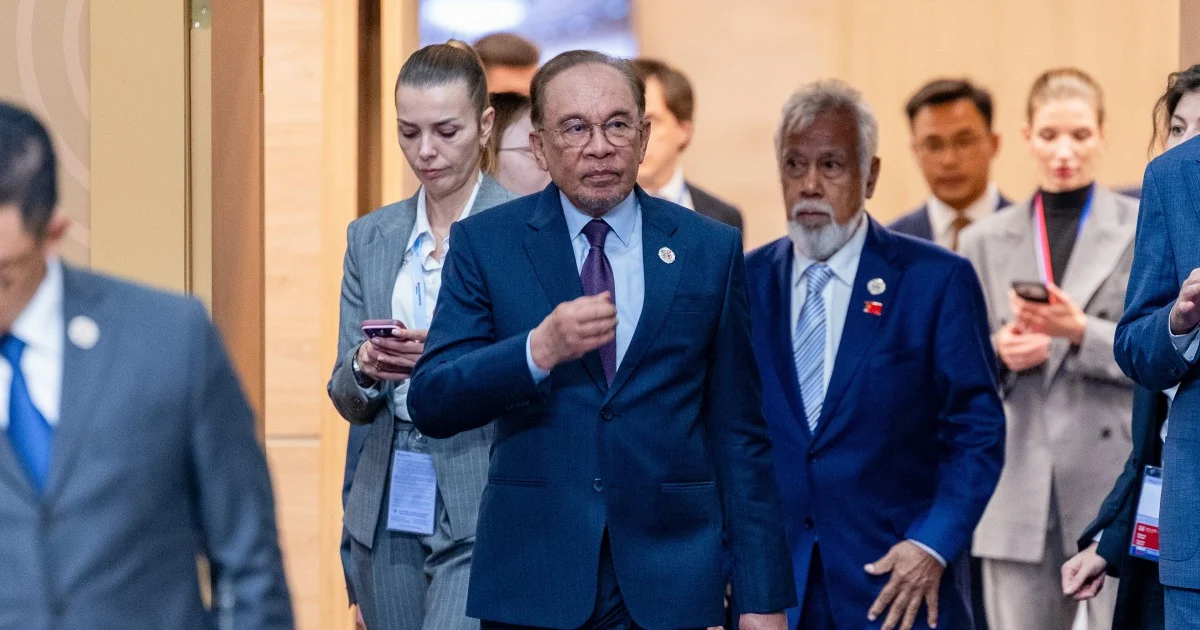
Prime Minister Anwar Ibrahim has called on Malaysia to pursue a more assertive and resolute approach towards deepening economic partnerships with Russia and the broader Central Asian region, marking a significant emphasis on diversifying the country's economic engagement beyond traditional markets. Speaking to stakeholders gathered in Kazan, Anwar stressed the urgency and opportunity inherent in strengthening bilateral ties with Moscow and its neighbouring economies, which collectively represent substantial untapped potential for Malaysian businesses and investors seeking to expand their international footprint.
The Prime Minister's remarks underscore a strategic recalibration in Malaysia's foreign economic policy, particularly at a time when geopolitical realignments are reshaping global commerce and diplomatic relationships. By publicly advocating for a bolder Malaysian presence in Russian and Central Asian markets, Anwar is positioning the country as an independent economic player willing to engage pragmatically with diverse regions regardless of broader international tensions. This approach reflects Malaysia's longstanding commitment to maintaining relationships across multiple poles of global influence while prioritising national economic interests.
Central Asia presents compelling opportunities for Malaysian enterprises, spanning sectors from energy and infrastructure to manufacturing and digital services. Countries in the region, including Kazakhstan, Uzbekistan, and Turkmenistan, have been progressively opening their economies and seeking foreign investment and technical expertise. Malaysian companies, particularly those with experience in Islamic finance, halal certification, and regional trade networks, are well-positioned to serve as bridges between Southeast Asia and Central Asia. The region's vast hydrocarbon reserves, agricultural outputs, and growing consumer markets align naturally with Malaysian commercial capabilities and strategic objectives.
Russia itself, despite international sanctions constraining certain sectors, remains a significant economic actor with substantial natural resources, technology capabilities, and purchasing power. The Russian market has historically attracted limited Malaysian investment compared to other major economies, partly due to geographical distance and market unfamiliarity rather than fundamental incompatibility. Intensifying engagement could open pathways for Malaysian exports, service provision, and collaborative ventures in sectors where both nations possess complementary strengths. Energy cooperation, particularly liquefied natural gas transactions and petroleum trade, represents one obvious avenue for expanded bilateral commerce.
Anwar's call for greater assertiveness reflects broader recognition that Malaysia's economic prosperity cannot rest solely on relationships with established Western trading partners and traditional Asian markets. The global economy is fragmenting into competing blocs and regionalised supply chains, making diversification essential for resilience. By expanding into Russian and Central Asian markets, Malaysia reduces vulnerability to disruptions in any single regional market and positions itself as a truly multi-directional trading nation capable of operating across different geopolitical contexts.
The timing of these remarks carries particular significance given Malaysia's ongoing efforts to strengthen ties across Southeast Asia through ASEAN frameworks while simultaneously deepening engagement with China and India. Russia and Central Asia represent a complementary dimension to this broader strategy, allowing Malaysia to maintain strategic autonomy and avoid over-dependence on any single partnership. This balancing act has long characterised Malaysian foreign policy, and extending it to include more robust Russian and Central Asian engagement maintains this established principle at a critical juncture in global affairs.
Central Asian countries themselves are increasingly adopting independent foreign policies and seeking diversified partnerships beyond Russian and Chinese dominance. Malaysia, with its moderate Islamic credentials, technological capabilities, and reputation as a stable trading partner, holds genuine appeal for these nations. Malaysian investment in Central Asian logistics hubs, manufacturing clusters, and digital infrastructure could yield mutual benefits while establishing Malaysia as an influential economic actor in the broader Asian continental system.
Implementing this strategic vision requires concrete mechanisms beyond rhetorical commitment. Malaysian government agencies, chambers of commerce, and financial institutions must actively facilitate business delegations, establish investment forums, and streamline regulatory pathways for companies seeking Central Asian exposure. Trade financing arrangements, particularly through Islamic banking channels where Malaysia possesses recognised expertise, could catalyse commercial activity. Educational exchanges and technical training programmes would help build the networks and institutional knowledge necessary for sustained engagement.
The economic case for deeper Russian and Central Asian ties extends beyond bilateral relationships to regional framework considerations. Malaysia's participation in broader Asian integration initiatives, including potential involvement in Continental Asian trade mechanisms, makes presence in Russian and Central Asian markets strategically valuable. Strengthening these connections positions Malaysia favourably in emerging great-power competition for influence across Eurasia while maintaining the non-aligned orientation that has served the country well historically.
Anwar's emphasis on bold action against passive incrementalism signals that Malaysia intends to seize opportunities in regions where competition for economic influence remains comparatively limited. While Western companies face regulatory constraints and Chinese companies already possess entrenched positions in many sectors, Malaysian enterprises could establish meaningful footholds through timely, strategic deployment of capital and expertise. The narrow window for such positioning may not remain open indefinitely, making immediate action imperative for businesses and policymakers alike.
Successfully translating this strategic vision into tangible economic outcomes will require sustained commitment beyond ministerial pronouncements. Government support infrastructure, private sector initiative, and institutional capacity to navigate complex regulatory environments across Russia and Central Asia must develop simultaneously. Malaysian banks, insurers, and service providers must expand their operations and expertise in these regions to support expanding commercial activity. Educational institutions should enhance curriculum offerings related to Central Asian markets, languages, and business practices.
The broader implications for Malaysia extend to geopolitical positioning and strategic autonomy. By consciously strengthening economic ties with Russia and Central Asia, Malaysia reinforces its identity as a genuinely non-aligned player capable of engaging all regions on pragmatic terms. This stance enhances Malaysia's diplomatic capital and bargaining power in international forums while diversifying economic risk exposure across multiple markets and geopolitical zones. The initiative thus represents not merely commercial opportunism but a fundamental reaffirmation of Malaysia's strategic independence in an increasingly complex global system.