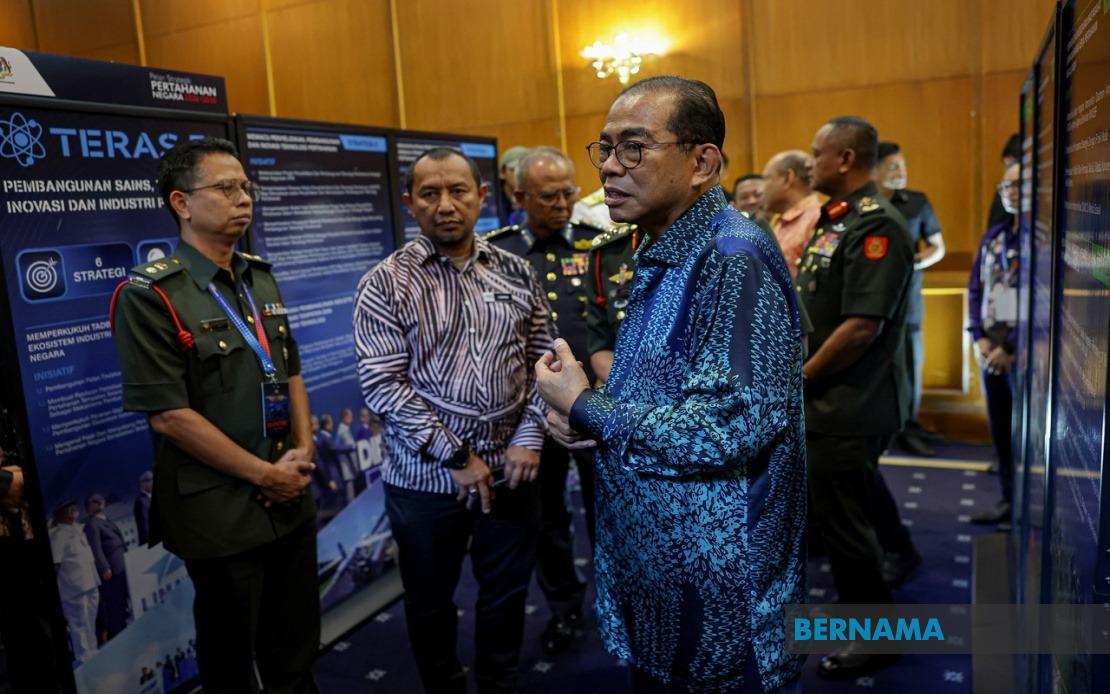
Malaysia's government is pursuing a structured diplomatic approach to resolve compensation obligations arising from its decision to cancel a contract for the Naval Strike Missile system supplied by Norway's Kongsberg Defence & Aerospace AS. Defence Minister Datuk Seri Mohamed Khaled Nordin outlined the coordinated strategy during remarks following the launch of the National Defence Strategic Plan and Defence Capability Blueprint 2026-2030, emphasising that both the Defence Ministry and Foreign Ministry have formally communicated Malaysia's position to the Norwegian government and signalled the intended pathway forward.
The cancellation of defence procurement contracts often carries significant financial and diplomatic ramifications, particularly when involving established relationships with NATO-aligned suppliers. The NSM system represents a sophisticated anti-ship capability, and terminating such an agreement typically triggers contractual penalty clauses and compensation demands. Malaysia's approach of involving its Foreign Ministry alongside defence authorities reflects an understanding that resolving such disputes requires coordinated action across diplomatic and technical domains, recognising that Norway's government role as facilitator could prove instrumental in mediating between Malaysian defence officials and the commercial entity.
Kongsberg Defence & Aerospace AS, as a major Scandinavian defence contractor, operates within the framework of Norwegian strategic interests and regulatory oversight. By formally notifying the Norwegian government and requesting its mediation services, Malaysia has leveraged a multilateral pathway that acknowledges the contractor's status as a private entity while engaging the Norwegian state as a stakeholder with interest in maintaining bilateral defence relations. This diplomatic architecture creates space for negotiations that might otherwise prove adversarial, introducing a governmental intermediary capable of encouraging settlement on terms both parties might accept.
The Defence Minister's public statements underscored Malaysia's commitment to resolving the matter expeditiously, suggesting that early formal notification and engagement reflect deliberate strategy rather than reactive positioning. By placing the issue before parliament's Public Accounts Committee and communicating directly with Norwegian authorities, the government has created transparency around decision-making while simultaneously establishing clear documentary records of Malaysia's cooperative intent. Such openness can strengthen Malaysia's negotiating position by demonstrating good faith and institutional diligence to international observers and potential mediators.
The Public Accounts Committee's intervention, including its call for strengthened mitigation and diplomatic efforts, reflects parliamentary oversight of defence spending and contractual obligations. The PAC's emphasis on protecting Malaysia's fiscal sovereignty while pursuing a fair resolution acknowledges that compensation settlements must balance legitimate contractor claims against fiscal prudence and budgetary constraints. This dual concern—ensuring neither excessive payments nor unreasonable contractor pressure—positions Malaysia as a reasonable actor committed to international norms while protecting public finances.
Defence procurement in Southeast Asia operates within a complex landscape where multiple suppliers compete for contracts, and Malaysia's handling of the NSM cancellation will likely influence how international contractors assess risk when bidding on future Malaysian defence acquisitions. The resolution approach taken here sends signals about Malaysia's reliability as a contracting partner, its willingness to engage in good-faith dispute resolution, and its capacity to manage contractual obligations through diplomatic rather than purely adversarial channels. A resolution perceived as fair and professionally handled strengthens Malaysia's standing in defence circles.
The involvement of Chief of Defence Force General Tan Sri Malek Razak Sulaiman in the launch event alongside the Defence Minister signals institutional alignment on the matter, suggesting that Malaysia's military leadership supports the diplomatic resolution pathway. This unified messaging from defence and political authorities reduces perception of internal contradiction and strengthens Malaysia's collective negotiating position. Norwegian counterparts encountering consistent messaging from multiple Malaysian institutional actors are more likely to view settlement discussions as representing genuine national policy rather than departmental positions subject to reversal.
Southeast Asian defence relationships operate within regional security considerations where reliability matters significantly. Malaysia's approach to resolving the NSM contract dispute carries implications beyond the bilateral relationship with Norway, as other potential suppliers and regional partners assess Malaysia's contractual honour and dispute-resolution practices. Nations evaluating whether to enter long-term defence cooperation agreements with Malaysia implicitly consider how the country handles situations where circumstances force cancellation or revision of existing arrangements. Transparent, dignified resolution through diplomatic channels reinforces positive perceptions.
The National Defence Strategic Plan and Defence Capability Blueprint 2026-2030 provide the broader strategic context within which the NSM cancellation must be understood. Malaysia's evolving defence priorities and capability requirements may have shifted since the NSM contract was originally negotiated, necessitating cancellation even at financial cost. Positioning the MSM resolution effort alongside publication of updated strategic planning documents suggests Malaysia is moving forward with recalibrated defence acquisition strategies that better reflect current threat assessments and budgetary realities. This forward-looking approach, combined with responsible resolution of past commitments, demonstrates mature defence management.
The compensation negotiations will likely involve complex technical discussions regarding contract terms, breach circumstances, damages calculations, and potential settlement amounts. The Norwegian government's facilitating role may involve encouraging settlement discussions aimed at determining fair but reasonable compensation reflecting actual damages rather than maximum contractual penalties. Such negotiations often conclude at figures substantially below theoretical maximum liability, particularly where both parties recognise mutual benefit from moving beyond acrimonious dispute.
Resolution timelines remain uncertain, as compensation negotiations involving government actors and major defence contractors typically extend over months rather than weeks. However, Malaysia's demonstrated commitment to engaging the matter seriously, combined with structured diplomatic protocols already activated, suggests authorities are prioritising resolution rather than allowing the dispute to fester. For Malaysian defence planners and defence ministry officials, swift resolution of outstanding contractual obligations enables clearer focus on implementing the newly articulated strategic priorities captured in the 2026-2030 capability blueprint.

