%22%2F%3E%3C%2Fpattern%3E%3C%2Fdefs%3E%3Crect%20width%3D%22100%25%22%20height%3D%22100%25%22%20fill%3D%22url(%23ph2e61jg)%22%2F%3E%3Crect%20width%3D%22100%25%22%20height%3D%22100%25%22%20fill%3D%22url(%23ph2e61jp)%22%2F%3E%3Ctext%20x%3D%2250%25%22%20y%3D%2250%25%22%20text-anchor%3D%22middle%22%20dominant-baseline%3D%22central%22%20fill%3D%22rgba(255%2C255%2C255%2C0.95)%22%20font-family%3D%22Georgia%2C%20'Times%20New%20Roman'%2C%20serif%22%20font-weight%3D%22700%22%20font-size%3D%22170%22%20letter-spacing%3D%22-0.02em%22%3EMalaysia%3C%2Ftext%3E%3C%2Fsvg%3E)
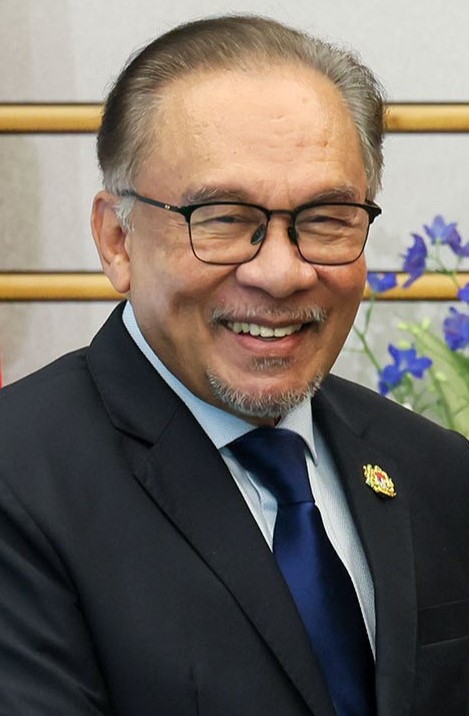
Prime Minister Datuk Seri Anwar Ibrahim's diplomatic mission to Turkmenistan marks a significant effort to broaden Malaysia's engagement with Central Asia, a region often overlooked in Southeast Asian foreign policy despite its substantial economic potential. The visit underscores the Malaysian government's strategic pivot towards diversifying economic partnerships beyond traditional trading blocs, recognising that Turkmenistan's substantial natural gas reserves and position along critical trade routes present untapped opportunities for Malaysian businesses and investors.
Turkmenistan, one of the world's largest natural gas producers, represents an increasingly important supplier as global energy markets undergo transition and demand remains robust across Asia. For Malaysia, a nation heavily dependent on energy imports and facing the dual challenge of economic growth and energy security, establishing stronger ties with Turkmen authorities offers pathways to secure long-term energy supplies while potentially participating in infrastructure and development projects across Central Asia. The timing of this diplomatic engagement reflects broader Malaysian strategic calculations about regional engagement in an increasingly multipolar world.
The bilateral relationship between Malaysia and Turkmenistan has historically remained relatively limited, though both nations share connections through multilateral forums including the Organisation of Islamic Cooperation. However, formal trade figures have remained modest, suggesting substantial room for expansion. By elevating high-level engagement and establishing clearer frameworks for cooperation, Malaysia seeks to transform dormant potential into concrete commercial arrangements that benefit both private sectors.
Energy cooperation stands as the most promising avenue for deepening ties. Beyond traditional liquefied natural gas purchases, Malaysian companies could explore involvement in upstream development, refining operations, or petrochemical ventures alongside Turkmen counterparts and other regional players. Such partnerships would align with Malaysia's broader energy strategy while providing Turkmenistan access to Southeast Asian technical expertise and market knowledge, creating mutual benefits that extend beyond simple commodity transactions.
Investment flows represent another critical dimension of the visit's agenda. Malaysian sovereign wealth funds and private investors have demonstrated increasing interest in Central Asian markets, particularly in sectors including infrastructure development, telecommunications, and manufacturing. Turkmenistan, undertaking significant modernisation and diversification initiatives, offers opportunities for Malaysian capital deployment while providing domestic investors exposure to emerging market growth dynamics different from those in Southeast Asia proper.
Trade expansion between the nations currently operates well below capacity given their respective population sizes and development levels. Current commercial exchange remains concentrated in limited sectors, reflecting both geographic distance and insufficient bilateral awareness among trading communities. Establishing dedicated trade missions, business councils, and sector-specific forums could catalyse merchant interaction by reducing information barriers and building relationships that transform policy-level agreements into actual commercial transactions.
Beyond bilateral dimensions, Malaysia's Turkmenistan engagement carries implications for broader Southeast Asian positioning within Central Asian affairs. As ASEAN nations increasingly recognise the geopolitical importance of regional connectivity and alternative partnership arrangements, individual member states' initiatives in Central Asia gain collective significance. Malaysian leadership in deepening Asian connectivity across diverse regions strengthens ASEAN's overall diplomatic weight and provides the bloc additional avenues for advancing shared interests in trade, investment, and regional stability.
The visit also reflects considerations regarding supply chain diversification and economic resilience. Recent global disruptions have highlighted the vulnerability of concentrated supply networks and the strategic importance of maintaining multiple sourcing options for critical commodities and manufactured goods. By expanding Central Asian partnerships, Malaysia reduces dependency on established but potentially vulnerable trading relationships while creating new opportunities for Malaysian exporters seeking emerging market outlets.
Turkmen leadership's interest in strengthening ties with Southeast Asian economies demonstrates Central Asia's recognition that regional diversification serves mutual interests. Rather than remaining oriented exclusively towards traditional partners in Russia, China, and Iran, Turkmenistan benefits from expanded engagement with dynamic Asian economies and gaining exposure to Southeast Asian technical knowledge, business practices, and investment culture.
Practical outcomes from such high-level visits typically involve establishing joint commissions, initiating feasibility studies for specific projects, and creating mechanisms for ongoing dialogue between government and business representatives. These institutional frameworks, though appearing procedural, prove essential for translating diplomatic rhetoric into sustained bilateral engagement that survives political transitions and personalities.
The diplomatic mission also carries cultural and educational dimensions often underemphasised in commerce-focused discussions. Student exchange programmes, cultural initiatives, and people-to-people connections constitute the foundation upon which durable economic relationships ultimately rest. Building mutual understanding and familiarity between Malaysian and Turkmen populations, professional communities, and government officials creates the human networks essential for identifying opportunities and resolving inevitable misunderstandings during commercial negotiations.
For Malaysian observers, this engagement signals government commitment to exploring non-traditional partnerships and recognising that economic prosperity increasingly depends upon relationships extending far beyond immediate regional confines. As global economic competition intensifies and supply chains undergo reconfiguration, nations capable of maintaining diverse partnership portfolios across multiple regions position themselves advantageously for capturing emerging opportunities while managing risks associated with concentrated economic relationships.