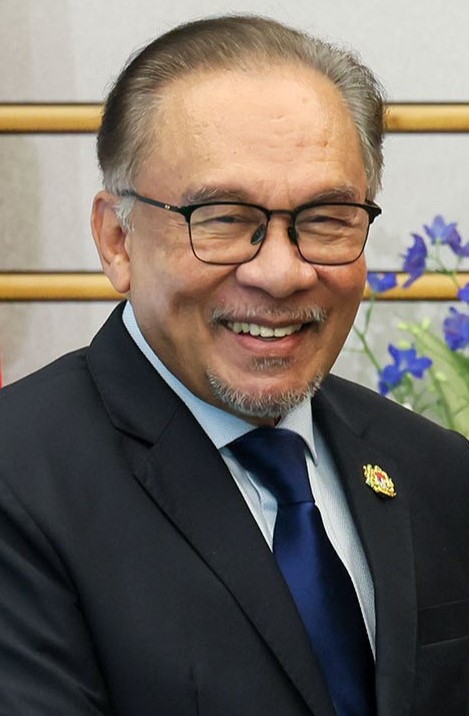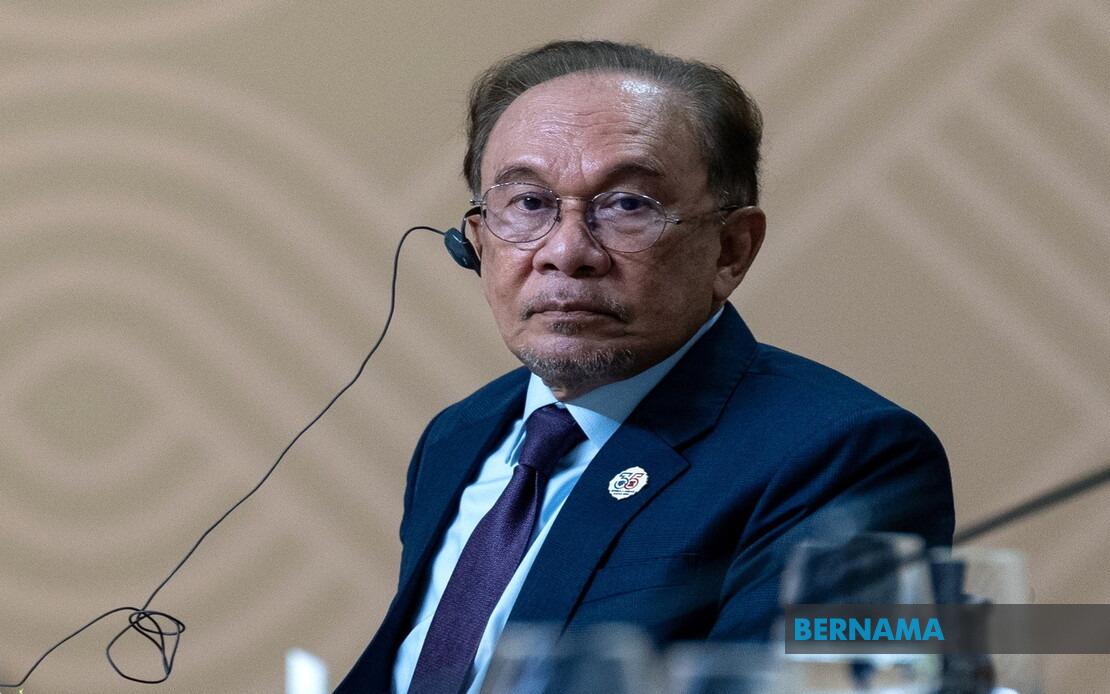
Malaysia's top political leadership has thrown its weight behind diplomatic efforts aimed at resolving the protracted tensions between the United States and Iran, with Prime Minister Datuk Seri Anwar Ibrahim expressing measured but genuine optimism about the prospects for a lasting settlement in West Asia. Speaking at the 35th ASEAN-Russia Commemorative Summit in Kazan on Thursday, Anwar indicated that a proposed memorandum of understanding between the two powers could become the foundation for regional peace and stability, provided negotiations conclude successfully within the compressed 60-day timeline now under discussion.
Anwar's confidence, he revealed, draws substantially from direct intelligence gathered during conversations with Pakistan Prime Minister Shehbaz Sharif, who has assumed a pivotal mediating position in shepherding the negotiations forward. The Malaysian leader characterised Sharif as deeply immersed in every phase of the diplomatic process, positioned to offer an insider's assessment of whether momentum genuinely favours agreement. Pakistan's central geopolitical location and longstanding engagement with both Washington and Tehran give Islamabad particular influence in shaping perceptions of negotiation dynamics among other nations monitoring the talks.
The compressed timeline—just two months to bridge decades of animosity and resolve complex nuclear, sanctions, and regional security questions—represents an unusually aggressive schedule for international diplomacy of this magnitude. Yet Anwar framed the tight deadline not as an obstacle but as a potential catalyst, suggesting that the urgency itself may concentrate minds and force difficult compromises that protracted negotiations might avoid. His observation that "the 60-day period is not long" carries implicit recognition that both sides understand the window of opportunity may not remain open indefinitely, particularly given broader geopolitical pressures and domestic political constraints in both nations.
Beyond Pakistan's role, Anwar pointed to encouraging signals from Russian President Vladimir Putin during their bilateral discussions at the summit. The alignment of views between Moscow and Kuala Lumpur regarding the potential for successful resolution underscores how a US-Iran breakthrough has acquired genuine international salience, with major powers recognising the ramifications for their own strategic interests. Russia's position as a nuclear-armed power with significant Middle Eastern investments gives its assessments particular weight in diplomatic circles, and Putin's reported optimism may reflect confidence that the negotiating framework adequately addresses Moscow's concerns about regional stability.
Yet the Malaysian Prime Minister deliberately hedged his optimism by acknowledging the variable of the Trump administration's involvement and unpredictability. His careful phrasing—declining to rule out complications simply because the situation involves Donald Trump—reflects the diplomatic realism required when assessing negotiations involving a player known for unconventional approaches and sudden shifts in policy direction. The Trump factor adds genuine uncertainty to even the most carefully constructed agreements, a reality that seasoned regional observers like Anwar fully appreciate. Historical precedent offers little comfort; the previous US withdrawal from the Iran nuclear agreement in 2018 demonstrated how dramatically American policy toward Tehran can reverse between administrations.
For Malaysia and the broader ASEAN community, the outcome of US-Iran negotiations carries tangible implications for regional security architecture and economic stability. A successful settlement could reduce proxy conflicts in Syria, Iraq, Lebanon, and Yemen, areas where Iranian and American-aligned forces have clashed repeatedly. Lower regional temperatures would benefit Southeast Asian nations through decreased energy price volatility, reduced refugee flows, and diminished risk of direct great-power confrontation that could draw in allied partners. Conversely, negotiation failure would likely intensify the arms race dynamics and sectarian tensions that have already destabilised portions of the Middle East and created spillover effects affecting global shipping routes and energy supplies critical to Asian economies.
Anwar's intervention at the ASEAN-Russia forum also signals Malaysia's increasing comfort with positioning itself as a constructive voice in major-power negotiations, rather than remaining passive. By openly endorsing the peace process and citing encouraging indicators, Malaysia tacitly lends its diplomatic credibility to the effort and signals to other regional actors that the Malaysian government views successful resolution as beneficial. This approach aligns with Malaysia's traditional role as a bridge-builder and non-aligned voice capable of engaging productively with multiple great powers without surrendering strategic autonomy.
The reliance on Pakistani and Russian intermediaries' assessments rather than direct American or Iranian statements reveals the opacity that still surrounds these negotiations. Despite public statements expressing interest in dialogue, neither Washington nor Tehran has released detailed information about substantive progress, allowing space for both optimism and scepticism. Anwar's confidence rests partly on second-hand reporting from allies positioned to observe proceedings, underscoring how sensitive the talks remain and how carefully both sides guard information that might signal weakness or reveal fallback positions.
Looking forward, the 60-day window represents a genuine moment when the alignment of interests—including Malaysian interests in regional stability—might produce a breakthrough that has eluded negotiators for years. Success would constitute a major diplomatic achievement with ramifications extending well beyond the Middle East. For Malaysia, supporting such efforts while maintaining equidistant relationships with all major powers reflects the pragmatism that has allowed the country to navigate great-power competition relatively successfully. The coming weeks will test whether the optimism Anwar expressed in Kazan proves justified or merely represents another cycle of false hope in an intractable conflict.