%22%2F%3E%3C%2Fpattern%3E%3C%2Fdefs%3E%3Crect%20width%3D%22100%25%22%20height%3D%22100%25%22%20fill%3D%22url(%23ph2w6ihg)%22%2F%3E%3Crect%20width%3D%22100%25%22%20height%3D%22100%25%22%20fill%3D%22url(%23ph2w6ihp)%22%2F%3E%3Ctext%20x%3D%2250%25%22%20y%3D%2250%25%22%20text-anchor%3D%22middle%22%20dominant-baseline%3D%22central%22%20fill%3D%22rgba(255%2C255%2C255%2C0.95)%22%20font-family%3D%22Georgia%2C%20'Times%20New%20Roman'%2C%20serif%22%20font-weight%3D%22700%22%20font-size%3D%22170%22%20letter-spacing%3D%22-0.02em%22%3EMalaysia%3C%2Ftext%3E%3C%2Fsvg%3E)
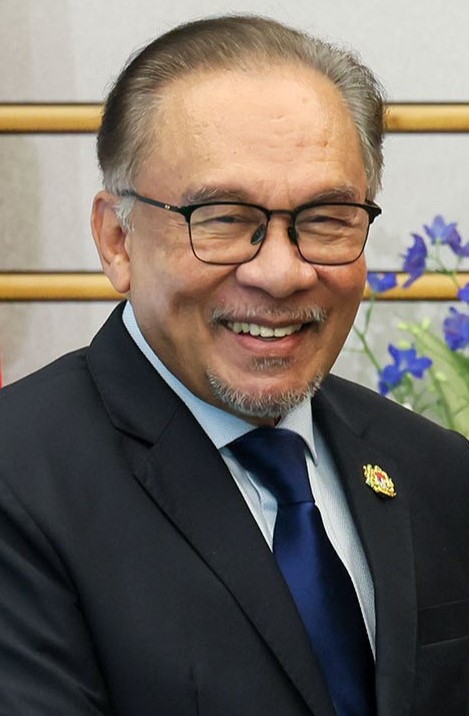
Prime Minister Datuk Seri Anwar Ibrahim has called for the rapid implementation of visa-free travel facilities and direct aviation routes connecting Malaysia and Russia, arguing that such measures are essential to unlock the country's untapped potential as a destination for Russian tourists. Speaking following his attendance at the ASEAN-Russia Commemorative Summit in Kazan, Anwar addressed the striking disparity in visitor numbers from Russia to Malaysia compared with rival regional destinations that have cultivated stronger diplomatic ties with Moscow.
The statistical gap underscores a significant missed economic opportunity. Turkey welcomes approximately five million Russian visitors annually, while Thailand attracts around two million tourists from Russia. By contrast, Malaysia receives roughly 100,000 Russian visitors per year—a figure Anwar characterised as disproportionately low given the nation's tourism assets and bilateral relationship with Russia. This gap suggests that structural barriers rather than lack of interest are constraining tourism flows, pointing to tangible policy impediments that warrant urgent attention.
Anwar attributed the tourism shortfall partly to aviation connectivity challenges and payment infrastructure difficulties. The absence of direct flight routes between major Malaysian and Russian cities significantly increases travel time and operational costs, making Malaysia a less attractive option for Russian travellers accustomed to seamless access to competing destinations. Payment mechanisms, particularly the complexity of financial transactions between the two nations, present another layer of friction that discourages spontaneous tourism bookings and creates unnecessary bureaucratic obstacles for prospective visitors.
Crucially, the Prime Minister pointed to Malaysia's continued reliance on outdated regulatory frameworks and diplomatic caution as contributing factors. He critiqued the nation's tendency to maintain conservative approaches to international relations, suggesting that fear of negative reactions from certain countries has led to unnecessary hesitation in normalising travel arrangements with Russia. This protective stance, Anwar implied, represents an overcautious approach that ultimately damages Malaysia's economic interests without delivering tangible diplomatic benefits.
The Prime Minister's remarks carry particular weight given the geopolitical complexity surrounding Malaysia's engagement with Russia. Since Russia's 2022 invasion of Ukraine, many Western-aligned nations have adopted restrictive approaches to Russian tourism and travel. However, Malaysia has maintained a more balanced foreign policy position, neither aligning with Western sanctions regimes nor fully isolating Russia. Anwar's comments suggest that this independent stance should translate into concrete bilateral advantages, including enhanced tourism opportunities that other nations might forfeit through ideological commitments.
Anwar specifically referenced Iran as another example of a nation facing similar constraints despite maintaining cordial relations with Malaysia. The inclusion of Iran in his analysis reveals a broader principle: Malaysia should not allow concerns about how third parties might perceive its bilateral arrangements to constrain its own economic development and diplomatic flexibility. This philosophy reflects a commitment to genuine non-alignment, where Malaysia pursues its interests independently rather than deferring to external pressure.
The expansion of Russian tourism would provide meaningful economic benefits across Malaysia's hospitality, retail, and services sectors. Russian tourists typically exhibit strong spending patterns and extend their stays beyond regional averages. Increasing their numbers could generate substantial foreign exchange earnings and employment opportunities, particularly in major tourism hubs such as Kuala Lumpur, the Petronas Twin Towers, and East Malaysian destinations. Direct flights would reduce travel friction and enable mid-sized cities outside the Klang Valley to capture a share of this revenue.
Implementing visa-free travel arrangements requires careful legislative and administrative preparation, including security screening mechanisms and visitor tracking systems. However, such frameworks are well-established globally and have been successfully deployed by Malaysia with multiple other nations. The technical capacity exists; what appears to be lacking is political will to overcome perceived diplomatic sensitivities or conservative institutional inertia.
Payment infrastructure improvements would necessitate coordination between Malaysia's central bank, financial regulators, and Russian banking institutions. While international sanctions complicate traditional banking channels, legitimate tourism payments can be structured through existing mechanisms or bilateral arrangements that comply with international regulations. Several regional competitors have successfully navigated these complexities without compromising compliance standards.
Anwar's advocacy during the Kazan summit represents high-level commitment to resolving these impediments. The ASEAN-Russia forum provides an appropriate diplomatic channel for discussing tourism facilitation as part of broader regional integration. Bilateral conversations during such multilateral gatherings often yield practical commitments that receive subsequent bureaucratic follow-through.
For Malaysia, accelerating tourism ties with Russia aligns with the nation's broader geopolitical strategy of maintaining strong relationships across diverse global centres. As Southeast Asia increasingly positions itself as a hub for cross-continental engagement, reducing friction in bilateral tourism arrangements with significant markets represents sensible economic policy. The relatively low investment required to implement direct flights and streamline visa procedures suggests that the current tourist gap reflects policy choice rather than market reality or structural impossibility.
The Prime Minister's comments ultimately challenge Malaysian institutions to distinguish between prudent caution and excessive conservatism. While maintaining international compliance and security standards, Malaysia can simultaneously pursue legitimate economic opportunities without compromising its values or international standing. The 100,000 annual Russian visitors figure represents not just tourism potential but a tangible measure of policy effectiveness in translating stated diplomatic relations into measurable economic benefits.