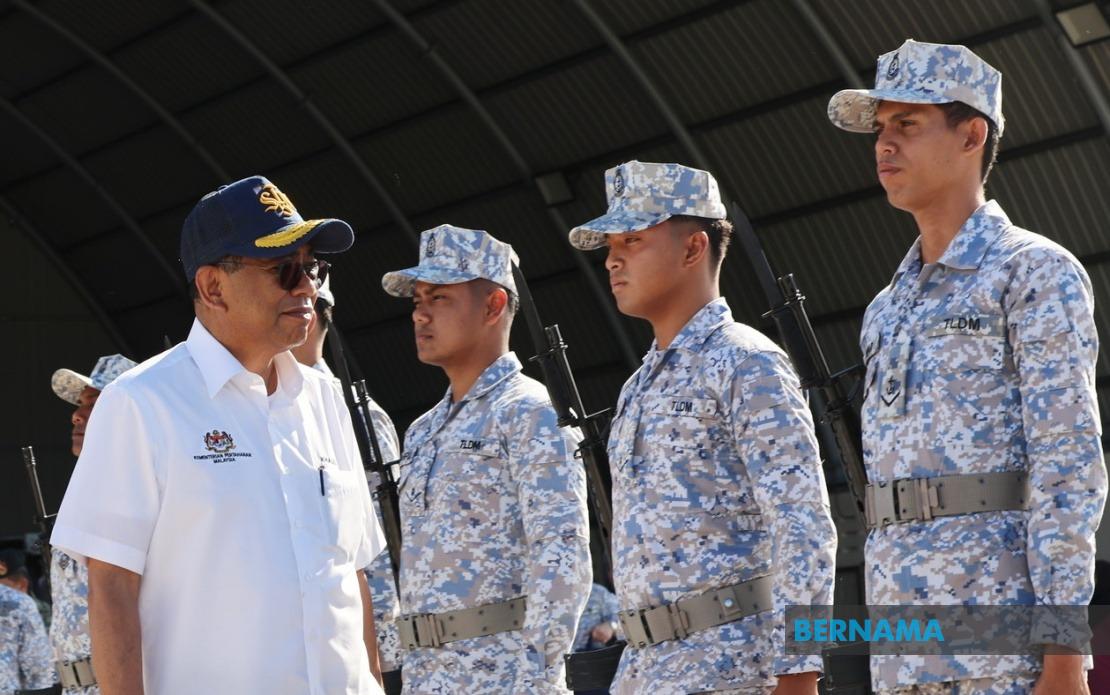
Malaysia is poised to significantly upgrade the military infrastructure on Layang-Layang Island, a strategically critical outpost in the South China Sea that serves as the Royal Malaysian Navy's frontline operational base. Defence Minister Datuk Seri Mohamed Khaled Nordin announced the comprehensive modernization programme following a working visit to RMN's LIMA Station on the island, emphasising that sustained investment in the facility reflects the government's unwavering commitment to maintaining sovereignty and security in this contested maritime region.
The 35-hectare LIMA Station, established on April 17, 1984, sits approximately 270 kilometres from Labuan and 280 kilometres from Sabah, positioning it as Malaysia's most significant forward operating base in the waters surrounding Gugusan Semarang Peninjau. This location places the island at the intersection of competing maritime claims involving China, Vietnam and the Philippines—a geopolitical reality that underscores why Malaysia regards the continued development and strengthening of Layang-Layang Island as essential to its regional security posture. The station's strategic value extends beyond mere military presence; it functions as a crucial nexus for surveillance, defence operations and intelligence gathering activities that protect Malaysia's maritime interests across a vast expanse of the South China Sea.
Central to the forthcoming enhancement initiative is the installation of an advanced air defence radar system, which will complement the existing maritime radar infrastructure already operational on the island. While the maritime radar currently enables detection of vessel movements across the surrounding waters, the new air defence radar will extend Malaysia's monitoring capabilities skyward, creating a more comprehensive surveillance architecture. The Defence Ministry has initiated site preparation works for this system, with full operational capability anticipated by 2029. This timeline reflects the complexity of deploying sophisticated military technology in a remote maritime environment where logistical challenges and infrastructure limitations require careful planning and phased implementation.
Beyond the headline radar installation, Malaysia's development strategy encompasses a holistic approach to enhancing the station's operational effectiveness. Improvements will encompass communications infrastructure, logistical facilities and operational support systems—all critical elements for maintaining a persistent military presence at this distant outpost. Recognising that personnel welfare directly impacts operational readiness and morale, the government plans to upgrade basic facilities including water and electricity supplies, food provisions and accommodation standards. These quality-of-life improvements acknowledge that sustaining a credible military presence requires not merely hardware upgrades but also ensuring personnel stationed on the island can execute their duties effectively without compromising their wellbeing.
The Defence Ministry intends to leverage emerging technologies to further advance Malaysia's maritime domain awareness capabilities. Unmanned systems and cutting-edge surveillance technologies will be integrated into the island's defensive architecture, enabling more efficient monitoring of suspicious activities within Malaysian waters. This technological modernisation reflects broader global military trends toward unmanned and remote-sensing solutions, which offer operational advantages in harsh or geographically challenging environments. For Layang-Layang Island specifically, such technologies can extend surveillance reach without proportionally increasing personnel requirements, addressing the inherent constraints of operating a military station on a small, remote atoll.
Datuk Seri Mohamed Khaled framed Malaysia's infrastructure investments as part of a deliberate strategy to maintain a sustained and visible presence without provoking escalation or triggering regional tensions. This calibrated approach distinguishes Malaysia's posture from more confrontational stances that some regional actors have adopted in the South China Sea. The Defence Minister's emphasis on non-provocative strengthening reflects Malaysia's broader foreign policy philosophy—one that seeks to assert legitimate rights and maintain territorial presence while avoiding military brinkmanship that could destabilise the entire region. This nuanced position has implications for how Malaysia is perceived by both friendly nations and competitor states navigating these contested waters.
The government delegation that visited Layang-Layang Island included senior military leadership from across Malaysia's defence establishment, including RMN chief Admiral Tan Sri Dr Zulhelmy Ithnain, Royal Malaysian Air Force chief Gen Tan Sri Muhamad Norazlan Aris and Joint Forces commander Lt Gen Datuk Tengku Muhammad Fauzi Tengku Ibrahim. This high-level participation underscores the institutional importance attached to the island's continued development and signals unified commitment across Malaysia's military branches to supporting the modernisation programme. The presence of Defence Ministry secretary-general Datuk Lokman Hakim Ali further emphasises that resource allocation and bureaucratic support will be mobilised to realise these strategic objectives.
Beyond its military significance, Layang-Layang Island possesses considerable scientific and environmental value that remains substantially underexploited. The Defence Ministry has identified substantial research potential regarding marine ecosystems, biodiversity and coral reef sustainability within the surrounding South China Sea waters. The government intends to capitalise on this potential through integrated efforts involving relevant agencies and higher education institutions, effectively transforming the island into a platform for advancing both national security and environmental science simultaneously. This dual-purpose approach—combining military, diplomatic and scientific functions—allows Malaysia to demonstrate that its South China Sea presence serves legitimate national interests beyond purely strategic competition.
The fisheries and maritime economic dimensions of Layang-Layang Island further broaden its relevance beyond defence considerations. The Defence Ministry recognises that sustainable development of the maritime economy in this region depends partly on maintaining secure, stable conditions that attract legitimate commercial activity. Environmental conservation efforts, including coral reef sustainability programmes, contribute to long-term economic productivity while simultaneously reinforcing Malaysia's stewardship narrative regarding these waters. This multifaceted approach to island development positions Malaysia as a responsible regional actor investing in sustainable resource management rather than militarisation for its own sake.
The modernisation of Layang-Layang Island's infrastructure carries implications extending well beyond this single atoll. The investment reflects Malaysia's determination to maintain credible deterrence against both territorial infringement and freedom of navigation challenges in the South China Sea. As regional powers continue jockeying for influence and maritime advantage, Malaysia's sustained development of its forward operating bases sends a message that it remains committed to defending its legitimate interests despite the diplomatic complexities and military asymmetries characterising contemporary South China Sea dynamics. The 2029 timeline for full radar operationalisation establishes a concrete deadline that will test the government's commitment and resource management capabilities.
For Malaysia's defence establishment and broader strategic community, the Layang-Layang Island enhancement programme represents a calculated investment in regional stability and national security. The comprehensive nature of the modernisation—spanning military hardware, personnel welfare, technological innovation and scientific research—demonstrates sophisticated thinking about what sustained strategic presence requires in the twenty-first century. As implementation proceeds over the coming years, Malaysia will need to balance its development ambitions with diplomatic dexterity, ensuring that infrastructural improvements genuinely strengthen deterrence and security without inadvertently escalating tensions or triggering countervailing responses from other claimants in these strategically vital and increasingly contested waters.