The Prime Minister's Department (Religious Affairs) has pledged to intensify its outreach to young Malaysians as part of a coordinated response to concerns raised by the Sultan of Perak, Sultan Nazrin Shah, about the rising tide of extremism and false information online. The initiative marks a significant policy shift toward harnessing religious leadership as a counterweight to polarisation and radicalisation among the nation's youth, who increasingly navigate complex social and political landscapes shaped by digital platforms.
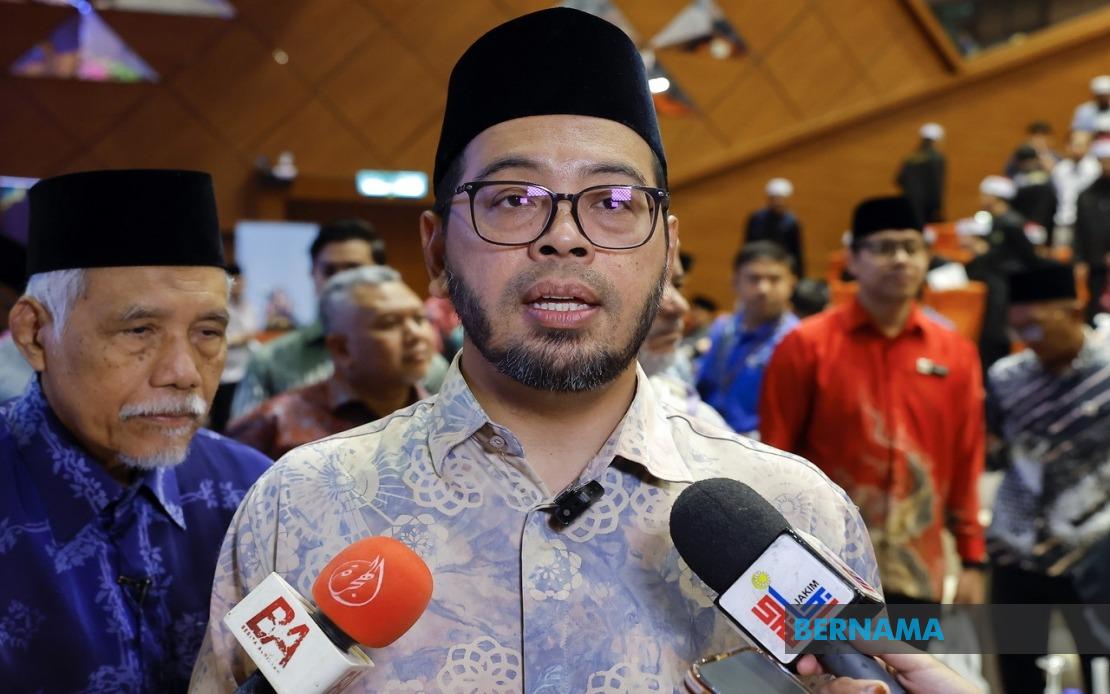
Dr Zulkifli Hasan, Minister in the Prime Minister's Department (Religious Affairs), announced the commitment while officiating the National and International Tokoh Ma'al Hijrah Premier Lecture 1448/2026 in Putrajaya on June 18. He indicated that the ministry would adopt Sultan Nazrin Shah's recent address as a foundational guide for designing and rolling out youth-focused programmes. The minister's statement underscores a recognition within government circles that religious institutions must play a more proactive, visible role in engaging young people directly rather than maintaining traditional, passive approaches.
Sultan Nazrin Shah articulated his concerns during remarks made last Friday, emphasising that religious leaders across Malaysia need to assume greater responsibility in connecting with youth populations. His intervention reflects growing alarm about the intersection of extremism, digital misinformation, and youth susceptibility to radicalising narratives online. The Sultan's address carries particular weight given Malaysia's diverse religious and ethnic composition, where such tensions can quickly escalate into communal discord if left unaddressed.
The young people of Malaysia today contend with a distinctive constellation of pressures and uncertainties that previous generations did not face. Beyond traditional concerns around employment and education, today's youth grapple with climate-related anxieties, the psychological weight of ongoing global conflicts, economic instability, and the corrosive effects of polarised online discourse. These challenges have eroded confidence in traditional institutions, leaving many young Malaysians searching for alternative sources of meaning, belonging, and guidance—a void that extremist groups have historically exploited.
Digital platforms have become the primary arena where such struggles unfold. Unlike earlier eras when extremist recruitment occurred through physical networks, contemporary radicalisation frequently begins with innocuous engagement on social media, progresses through algorithm-driven content feeds that gradually normalise extreme viewpoints, and culminates in real-world mobilisation. The scale and speed of this process vastly exceed the capacity of traditional law enforcement responses, rendering preventative community engagement essential.
Dr Zulkifli Hasan's commitment to mainstream the Sultan's messages across government programmes signals an institutional acknowledgement of this reality. By positioning religious leaders as credible voices capable of speaking authentically to youth concerns, the strategy attempts to occupy the same digital and social spaces where extremist narratives currently proliferate. Religious institutions possess legitimacy, historical continuity, and theological authority that secular government agencies cannot replicate—advantages that should theoretically translate into greater persuasive power when addressing identity-related questions that young people increasingly ask online.
Malaysia's approach aligns with international best practices in countering violent extremism, though with distinctly Malaysian characteristics. Countries such as Singapore, Indonesia, and the United Arab Emirates have invested heavily in religious leader-led counter-narratives, achieving measurable success in reducing recruitment into militant organisations. Malaysia's framework, however, must navigate additional complexity given the constitutional role of Islam and the coexistence of multiple faith communities, each with legitimate claims on young citizens' allegiances and worldviews.
The emphasis on addressing misinformation represents another critical dimension of this initiative. During electoral cycles and periods of communal tension, false narratives spread rapidly through encrypted messaging applications, gaming platforms, and social media groups frequented by youth. Religious leaders, when equipped with media literacy training and credible platforms, can effectively inoculate young people against such falsehoods by explaining how to identify propaganda techniques and encouraging critical evaluation of unverified claims.
Implementing this strategy effectively will require sustained investment beyond rhetorical commitments. The Religious Affairs Department must develop training programmes that equip religious leaders—many of whom may lack digital literacy themselves—with skills to engage authentically on platforms like TikTok, Instagram, and Discord. Programmes must address substantive theological questions about identity, belonging, and purpose that animate youth engagement online, rather than resorting to top-down messaging that young people instinctively reject.
The timing of this push carries significance for Malaysia's domestic stability and regional standing. Southeast Asia faces unprecedented pressures from transnational terrorist organisations that increasingly exploit youth alienation and digital connectivity to expand recruitment networks across borders. By strengthening defences against radicalisation at home, Malaysia simultaneously contributes to regional security and demonstrates commitment to preventing the export of extremism to neighbouring countries.
Success will ultimately depend on whether religious institutions can authentically engage with youth rather than merely lecture them. Young Malaysians are sophisticated consumers of digital content who readily detect condescension or insincerity. Religious leaders who acknowledge the legitimacy of youth concerns—economic anxiety, environmental threats, questions about identity in multicultural Malaysia—and offer theologically grounded but contextually relevant guidance will likely prove far more influential than those who frame youth engagement primarily as a problem to be managed rather than a opportunity to build trust.