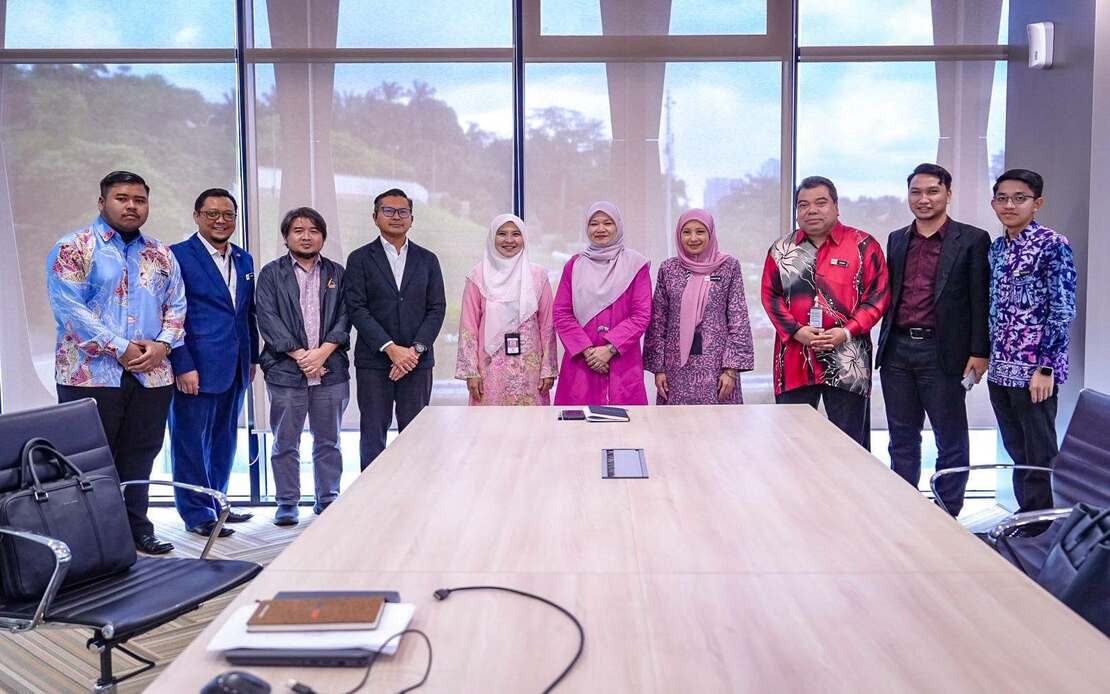
The Malaysian Education Ministry has committed to rolling out comprehensive advocacy programmes addressing three critical pieces of child protection legislation: the Child Act 2001, the Anti-Bullying Act 2026, and the Sexual Offences Against Children Act 2017. The decision emerged from high-level discussions between Education Minister Fadhlina Sidek and a delegation from the Human Rights Commission of Malaysia (SUHAKAM), marking a significant step in institutionalising child safety awareness across the nation's school system.
The collaborative initiative was shaped during a meeting between Fadhlina and a SUHAKAM delegation led by Children's Commissioner Dr Farah Nini Dusuki and Dr Mohd Al Adib Samuri. The talks focused on translating legal protections into practical educational engagement, recognising that legislation alone cannot safeguard children without sustained awareness and understanding among educators, administrators, and students themselves. The minister emphasised that addressing contemporary challenges such as bullying and sexual harassment requires a multifaceted approach that combines legal frameworks with preventative education.
Fadhlina's announcement underscores growing recognition within Malaysia's education establishment that child protection extends beyond formal legal penalties. The Anti-Bullying Act 2026, being relatively recent, requires particular emphasis to ensure schools understand and implement its provisions effectively. Bullying remains a persistent challenge in Malaysian schools, with incidents ranging from physical intimidation to cyberbullying, which can have severe psychological consequences for young victims. By embedding awareness of this legislation into school cultures, the ministry aims to create environments where both prevention and intervention occur more systematically.
The Sexual Offences Against Children Act 2017 represents another crucial component of this advocacy push. This legislation criminalises various forms of sexual abuse and exploitation targeting minors, yet many school communities remain inadequately informed about the legal definitions, reporting mechanisms, and support resources available to victims. The advocacy programmes will likely include training for school counsellors, administrators, and teachers on recognising warning signs, responding appropriately to disclosures, and navigating the reporting process while protecting children's dignity and privacy.
The Child Act 2001, which established the legal framework for child protection and juvenile justice in Malaysia, provides foundational principles regarding children's rights and welfare. However, awareness of this Act among educators and young people themselves remains uneven across the country. These advocacy initiatives present an opportunity to ensure that principles such as the best interests of the child, protection from exploitation, and access to education become embedded in daily school practices rather than remaining abstract legal concepts.
The partnership between the Education Ministry and SUHAKAM signals institutional commitment to human rights-based approaches to child protection. SUHAKAM's involvement brings expertise in rights advocacy and independent scrutiny, helping ensure that programmes developed are comprehensive and responsive to actual gaps in knowledge and practice. This collaboration also creates accountability mechanisms, as SUHAKAM can monitor implementation and identify areas requiring additional support or policy adjustment.
For Malaysian schools, the implications are substantial. Educators will need training and resources to deliver these advocacy messages effectively to students of varying ages and comprehension levels. Schools may need to revise curricula, pastoral care systems, and disciplinary approaches to align with the principles embedded in these laws. Younger students might engage through age-appropriate discussions about respectful relationships and recognising inappropriate behaviour, while secondary students could explore the legal and ethical dimensions more deeply.
Parental engagement will also be critical to the success of these initiatives. When advocacy programmes are confined to schools alone, they risk losing impact because children return to home environments where parents may not share the same understanding. Coordinated communication with families about the importance of these laws and the school's role in promoting child safety can amplify the effectiveness of institutional efforts.
Fadhlina's statement that child rights and welfare will remain a priority without compromise reflects domestic and international pressure on Malaysia to strengthen child protection systems. The Southeast Asian region has seen increasing scrutiny of child labour, trafficking, and abuse, and Malaysia's capacity to demonstrate robust legal and educational responses enhances its regional standing and protects vulnerable populations.
The timeline and specific structure of these advocacy programmes remain to be detailed. Questions about resource allocation, teacher training schedules, and measurement of effectiveness will shape how successfully these initiatives translate intent into practice. Schools in urban areas with greater administrative capacity may implement programmes more readily, while rural and under-resourced institutions may require targeted support.
This initiative also acknowledges that legal literacy—understanding one's rights and the laws that protect them—constitutes a form of empowerment for children themselves. When young people understand that harassment, bullying, and sexual abuse are not merely personal misfortunes but violations of law, they may be more inclined to report incidents and seek support rather than internalising shame or believing such behaviour is normal or unavoidable.
Looking forward, the success of these advocacy programmes will depend on sustained commitment, adequate resourcing, and genuine cultural change within schools. While legislative frameworks are necessary, their protective value is realised only through informed implementation and community understanding. Malaysia's decision to pursue this comprehensive, collaborative approach demonstrates recognition that protecting children requires ongoing institutional effort rather than one-time awareness campaigns.

