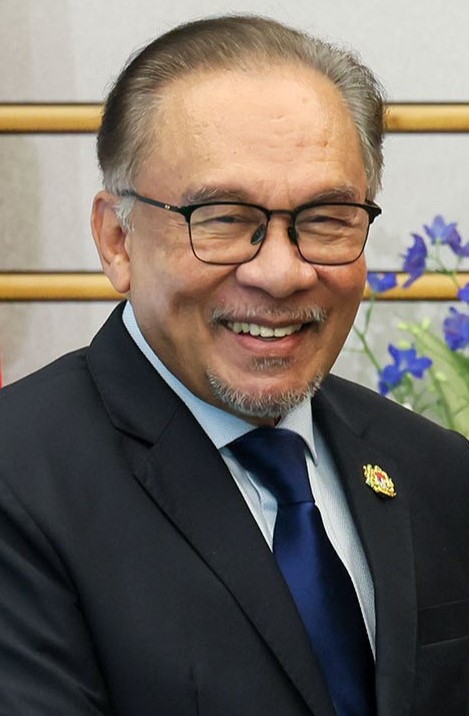
Prime Minister Datuk Seri Anwar Ibrahim is travelling to Ashgabat for a two-day state visit on June 18 and 19, marking a significant diplomatic moment for Malaysia's engagement with Central Asia. The visit signals Kuala Lumpur's intention to deepen relationships with a strategically positioned nation that sits at the crossroads of energy markets and emerging trade corridors. Officials expect the visit will catalyse wider bilateral cooperation spanning multiple economic sectors that align with both nations' development priorities.
The centrepiece of the planned discussions centres on energy and natural resources. Turkmenistan possesses substantial reserves of oil and natural gas, positioning it as a potential energy partner for Malaysia as regional economies seek diversified supply chains. For Malaysia, which has growing energy demands and an economy increasingly dependent on stable fuel sources, strengthening connections with resource-rich nations reduces reliance on traditional suppliers. Turkmenistan's energy sector could offer Malaysian companies investment opportunities, while technology and expertise transfers may benefit Ashgabat's operations.
Beyond hydrocarbons, the visit addresses transportation infrastructure as a mutual area of interest. Both nations recognise that improving connectivity across Asia requires investment in ports, roads, and logistics hubs. Malaysia's strategic position on the Strait of Malacca and Turkmenistan's location along potential trade routes between Europe, Asia and the Middle East create complementary advantages. Enhanced cooperation in this domain could see Malaysian firms participating in Turkmen infrastructure projects, while Central Asian goods gain improved access to Southeast Asian markets via Malaysian ports and facilities.
Agriculture represents another promising avenue for bilateral engagement. Turkmenistan produces cotton, grain and other commodities, while Malaysia has expertise in tropical agriculture, food processing and agribusiness management. Joint ventures in agricultural technology, equipment manufacturing, or food production could yield mutual benefits. For Malaysian agricultural companies seeking new markets and sources, Turkmenistan offers expansion potential, particularly given growing Central Asian demand for processed food products and agricultural inputs.
The timing of this visit reflects broader Malaysian foreign policy objectives under Prime Minister Anwar Ibrahim's leadership. His administration has emphasised building relationships across the Islamic world and expanding Malaysia's presence in emerging markets. Turkmenistan, a predominantly Muslim nation with a population exceeding 6 million, fits naturally within this framework. Diplomatic engagement at the highest level demonstrates Malaysia's commitment to relationships beyond established Asian partnerships, signalling to investors and trading partners that Kuala Lumpur takes Central Asian opportunities seriously.
For Turkmenistan, Malaysia presents an important Southeast Asian partner with established regional influence and access to dynamic markets. The Central Asian nation has historically balanced relationships among Russia, China and Western powers; Malaysian engagement provides a non-aligned perspective and demonstrates that Ashgabat can build partnerships across different regions and geopolitical groupings. This diversification aligns with Turkmenistan's long-term strategy of reducing dependency on any single partner.
The bilateral framework enabling this visit likely includes existing diplomatic channels and possibly ongoing trade discussions. Both nations are members of the Organisation of Islamic Cooperation, providing institutional foundations for dialogue. Previous interactions at multilateral forums have laid groundwork for deeper engagement, though substantial expansion of bilateral ties requires high-level commitment and concrete mechanisms for implementation.
From Malaysia's perspective, Turkmenistan offers an entry point to broader Central Asian markets. While direct trade volumes between Malaysia and individual Central Asian nations remain modest compared to traditional partners, the region's combined market of over 70 million people presents significant growth potential. Companies from Malaysia could establish regional headquarters or distribution centres in Central Asia, leveraging partnerships with Turkmenistan to access neighbouring markets in Kazakhstan, Uzbekistan and beyond. This positioning becomes increasingly relevant as global supply chains diversify away from historical concentration patterns.
The visit also reflects Malaysia's broader strategic recalibration towards resource-rich nations. As competition for energy and raw materials intensifies globally, nations like Malaysia that lack substantial domestic reserves must proactively cultivate supplier relationships. Anwar Ibrahim's direct engagement in Ashgabat signals that energy security and resource partnerships command attention at the highest governmental level, a message that resonates with Malaysian business circles and international investors.
Implementing the cooperation frameworks discussed during this visit will require follow-up mechanisms and sustained commitment from both governments. Trade agreements, investment protocols, or joint ventures announced may take months or years to materialise into tangible economic activity. Nevertheless, prime ministerial visits typically catalyse bureaucratic machinery and signal political will necessary for breakthrough progress. Malaysian companies watching these developments will gain confidence in pursuing Central Asian opportunities once they observe government-level support.
The geopolitical context also matters. Central Asia's importance has grown as global attention focuses on supply chain resilience and alternative trade routes. Malaysia's position as a respected voice in Southeast Asian and Islamic affairs means partnerships it cultivates gain credibility in Central Asia. Conversely, Malaysian access to Central Asian energy and commodities strengthens Kuala Lumpur's ability to serve as a reliable economic partner within ASEAN, given Malaysia's potential to facilitate trade relationships between Southeast Asia and Central Asia. This visit thus carries implications extending well beyond bilateral relations.