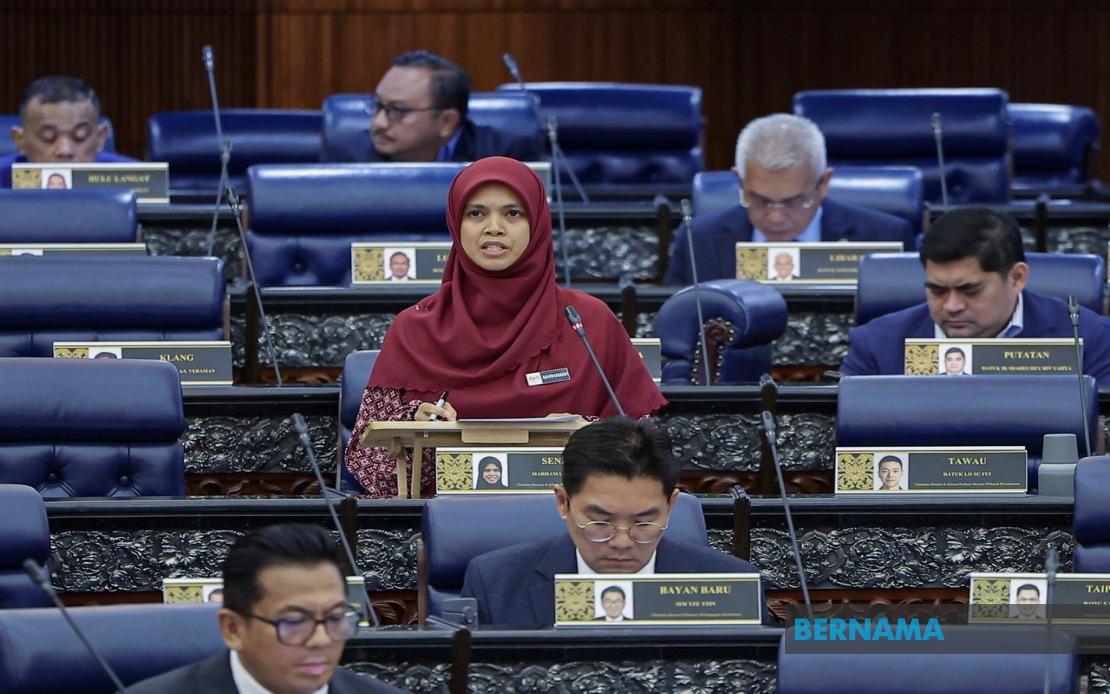
The Malaysian government and Tabung Haji (TH) are examining whether to expand financial assistance for lower-income pilgrims in response to accelerating costs associated with performing the hajj, Parliament heard this week. Deputy Minister Marhamah Rosli outlined the challenge facing the country's premier Islamic financial institution, which manages pilgrimage savings and subsidies for millions of Malaysians seeking to fulfil one of Islam's five pillars.
The actual expense of undertaking the hajj pilgrimage this year has reached RM33,300 per person, according to TH's calculations. However, prospective pilgrims classified in the B40 income bracket—the bottom 40 per cent of earners—are required to contribute only RM15,000 toward this total journey. The remaining RM18,300 difference is absorbed through TH's targeted assistance scheme, a subsidy mechanism funded by investment returns generated from the accumulated savings of all depositors within the institution.
This substantial gap between what low-income pilgrims pay and the actual cost reflects TH's ongoing commitment to making the hajj accessible to Malaysia's economically disadvantaged communities. Yet the sustainability of such generous support requires careful stewardship. Marhamah emphasized that the assistance must be allocated prudently and selectively, balancing the legitimate aspirations of aspiring pilgrims against the broader interests of the millions of Malaysians who have entrusted their savings to TH. The institution cannot indefinitely expand subsidies without potentially compromising returns to all depositors or depleting reserves.
Nevertheless, recognizing the mounting financial burden on B40 households, TH has committed to studying proposals for enhanced assistance in coming hajj seasons. This signals openness within policymaking circles to revisit current subsidy levels should economic conditions or pilgrimage costs warrant intervention. For lower-income Malaysians, such deliberation carries real significance, as the hajj remains a profound spiritual objective yet increasingly a financial challenge for families already stretched by cost-of-living pressures.
Beyond the subsidy question, TH is simultaneously overhauling its queue management system to distribute pilgrimage slots more equitably among the millions seeking passage to Mecca and Medina. The reform aims to prioritize depositors who have demonstrated financial discipline by saving consistently and accumulating adequate funds over extended periods. This approach seeks to reduce instances where selected pilgrims must defer their journeys after being assigned a slot, only to trigger cascading replacement offers when financial constraints force withdrawal—a systemic inefficiency that has plagued the allocation process.
The scale of demand starkly illustrates why such operational improvements matter. TH's registration rolls now exceed four million individuals hoping to perform the hajj, yet Malaysia's annual quota allocated by Saudi Arabia remains fixed at approximately 31,600 pilgrims. This vast imbalance—roughly a one-to-130 ratio—means newly registered applicants face waiting periods stretching across decades. Prospective pilgrims entering the system today could wait thirty or forty years before reaching Mecca, assuming they live long enough to undertake the journey.
This demographic crunch has been building for years as Malaysia's Muslim population grows and awareness of TH's hajj services spreads. The government and TH have signalled that positioning Malaysia as a world leader in hajj management and pilgrimage services remains a strategic aspiration. Such positioning requires not only managing waiting lists but enhancing the quality, safety, and welfare dimensions of the pilgrimage experience for those who do depart.
For Malaysian policymakers, the nexus between accessibility, affordability, and sustainability presents a genuine dilemma. Expanding subsidies for B40 pilgrims would ease short-term financial burden but potentially compress returns available to all TH depositors. Conversely, maintaining present subsidy levels while hajj costs rise in line with global inflation effectively narrows the path to the hajj for the poorest Malaysians—contradicting the institution's foundational mission to serve all income groups.
The issue resonates across Malaysian society because Tabung Haji operates as both a financial savings vehicle for ordinary Malaysians and a social instrument for democratizing access to religious obligation. Unlike commercial banks, TH carries an implicit social compact: it safeguards Muslim Malaysians' pilgrimage savings while ensuring that economic disadvantage does not automatically foreclose the possibility of performing the hajj. Balancing these competing imperatives grows harder as nominal costs escalate.
International hajj economics further complicate Malaysia's position. Saudi Arabia, which hosts and manages the pilgrimage, periodically adjusts fees and requirements based on inflation, infrastructure investments, and accommodation demands. Malaysia, as a source country, has limited influence over these cost drivers yet must absorb the impact on its pilgrim population. TH's subsidy system thus partly compensates for external price pressures beyond the institution's control.
The parliamentary commitment to study enhanced assistance suggests that policymakers recognize the political and social urgency of maintaining hajj accessibility for economically vulnerable communities. Whether formal subsidy increases materialize will depend on TH's financial health, broader macroeconomic conditions, and political appetite for redirecting institution resources toward this goal. Meanwhile, improvements to queue management may yield practical benefits by reducing operational waste and aligning slot allocation with demonstrated financial preparedness.
For Malaysian pilgrims and those contemplating the journey ahead, these deliberations matter profoundly. The hajj represents not merely a religious milestone but a defining life experience with spiritual, social, and family dimensions. Ensuring that economic circumstance does not become an insurmountable barrier to this obligation remains a legitimate aspiration for a nation where Islam forms a central element of national identity and public policy.

