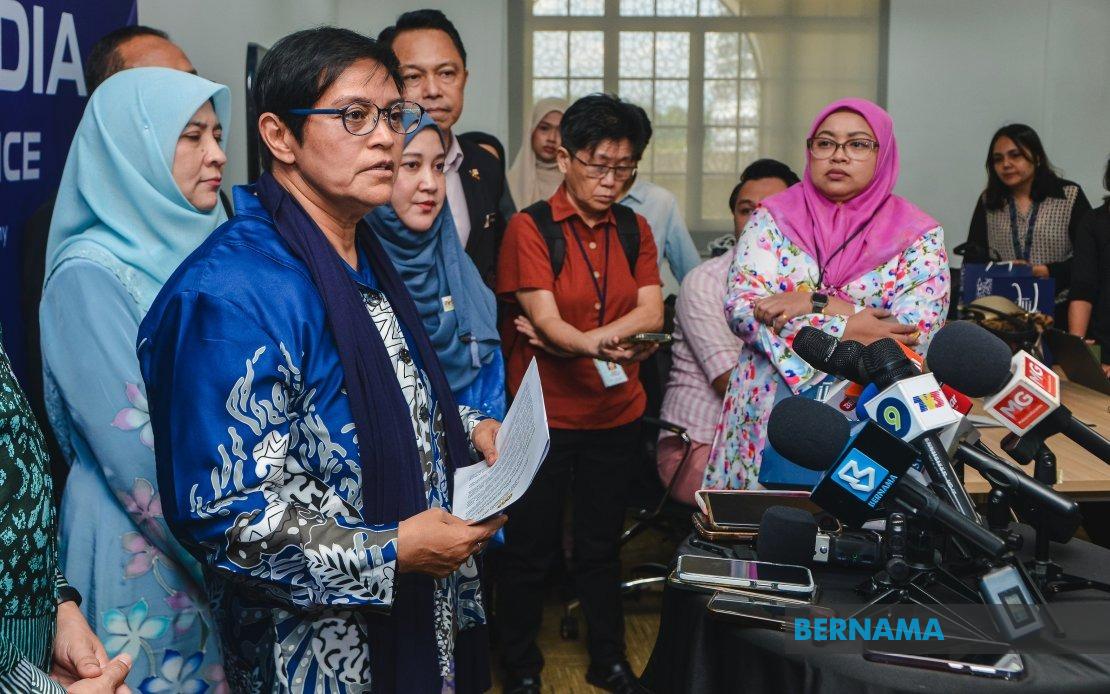
Malaysia has taken a decisive step in combating bullying through landmark legislation that extends legal accountability to parents themselves. The Anti-Bullying Act 2026, officially launched this week, introduces a novel concept of joint family liability that fundamentally departs from traditional criminal law frameworks. Under this framework, parents and guardians now face potential legal consequences for bullying misconduct perpetrated by their children, a departure from conventional criminal approaches that typically hold only the direct perpetrator answerable.
Datek Seri Azalina Othman Said, the Minister in the Prime Minister's Department overseeing Law and Institutional Reform, revealed that the legislation incorporates shared family responsibility as a core principle. This means that financial penalties, including fines and associated costs, become binding obligations on the entire family unit rather than the individual offender alone. The approach signals a recognition that bullying behaviour often reflects broader family dynamics and parental supervision practices, positioning families as collective stakeholders in preventing harmful conduct.
The shift in legal philosophy behind this Act reflects growing concern about bullying's escalating prevalence and severity across Malaysian society. Public health and educational authorities have increasingly documented alarming trends in bullying incidents, some with tragic outcomes including loss of life. By introducing familial accountability mechanisms, policymakers aim to strengthen incentives for parental vigilance and intervention, essentially leveraging family units as frontline safeguards against bullying behaviour. This represents a preventative strategy grounded in the premise that heightened parental responsibility will encourage greater oversight and discipline within households.
The practical implementation of this legislation hinges upon a newly established Anti-Bullying Tribunal, with its headquarters now operational at the Asian International Arbitration Centre in Kuala Lumpur. The tribunal comprises 56 appointed members drawn from legal professions and specialists in child welfare and development. This specialized institutional structure distinguishes bullying matters from conventional criminal proceedings, reflecting recognition that such cases demand expertise in adolescent psychology, educational dynamics, and restorative approaches rather than purely punitive frameworks.
To maximize accessibility for aggrieved parties, the tribunal operates through a decentralized network spanning the nation. Beyond the main headquarters, six regional hearing zones have been established, strategically located within existing government facilities under the Legal Affairs Division, the Insolvency Department, and the Legal Aid Bureau. Courtrooms previously unused have been repurposed for proceedings, while digital infrastructure enables online hearings. This nationwide infrastructure removes geographical barriers that might otherwise discourage vulnerable victims from pursuing justice, particularly those in rural or remote regions.
A particularly significant feature of the new legislation is that victims retain autonomous rights to lodge complaints directly with the tribunal, irrespective of where bullying incidents occur. Previously, victims might have felt obligated to report through institutional channels such as schools or hostels, potentially creating conflicts of interest or institutional pressure to minimize serious allegations. By enabling direct access to independent judicial mechanisms, the Act empowers young people and their families to seek redress without intermediation by potentially biased parties. This autonomy proves especially valuable in cases where institutional authorities might be reluctant to acknowledge systemic problems or take definitive action.
The tribunal has established user-friendly mechanisms for case registration, including an online public portal facilitating remote complaint submission. This digital pathway acknowledges that victims, particularly younger people, may feel more comfortable initiating formal processes through impersonal technological interfaces rather than face-to-face encounters with authorities. Reducing friction in complaint procedures historically increases reporting rates, particularly for cases involving shame, fear of retaliation, or social stigma. For Malaysia's younger population increasingly comfortable with digital communication, such provisions represent meaningful accessibility enhancements.
Minister Azalina emphasized that the legislation aims to fundamentally shift cultural attitudes toward bullying, particularly among young people. The prevailing tendency to dismiss bullying as normal childhood behaviour or insignificant social friction must yield to recognition of its serious psychological, developmental, and sometimes fatal consequences. By establishing formal legal mechanisms with real consequences, the Act communicates unambiguously that bullying behaviour carries genuine accountability implications. This normative messaging, amplified through tribunal proceedings and media coverage, should gradually reshape perceptions among peer groups and family units.
The parental liability provisions carry particular weight in Malaysian cultural contexts where family honour and intergenerational responsibility remain significant social forces. Extended families traditionally exercise collective responsibility for individual members' conduct, and financial penalties falling upon entire households leverage these cultural values toward compliance incentives. Parents facing potential liability for their children's actions have heightened motivation to monitor behaviour, enforce discipline, and cultivate values emphasizing respect and empathy. This culturally-informed approach to accountability may prove more effective in driving behavioural change than purely individualistic penalty schemes.
The legislation's introduction comes amid broader Southeast Asian conversations about digital bullying and cybermobbing, phenomena that transcend traditional school-based contexts. Malaysian teenagers' extensive social media engagement creates novel bullying vectors that parents may struggle to monitor or understand. By extending tribunal jurisdiction to bullying occurring outside institutional premises, the Act acknowledges contemporary reality where much peer-to-peer harassment unfolds through digital channels. This comprehensive jurisdictional scope ensures that technological mediation of bullying cannot create legal accountability gaps.
For Malaysian parents, the implications warrant serious consideration. The prospect of joint liability creates incentives to engage more actively in children's social relationships, digital behaviour, and peer dynamics. Parents cannot plausibly claim ignorance of bullying behaviour, as the Act implicitly assigns them monitoring responsibilities. This may initially trigger resistance from some quarters viewing the provisions as excessive governmental intrusion into family autonomy, yet supporters contend that child welfare and public safety justify enhanced parental accountability standards.
As the tribunal begins operations, its effectiveness will depend significantly on consistent case management, fair adjudication, and genuine restorative outcomes rather than purely punitive responses. The tribunal's specialized composition suggests commitment to understanding underlying causes of bullying behaviour rather than mechanically imposing penalties. If implemented thoughtfully, this legislation could establish a model for accountability that respects both child welfare and family responsibility, potentially influencing bullying prevention approaches across the Southeast Asian region.