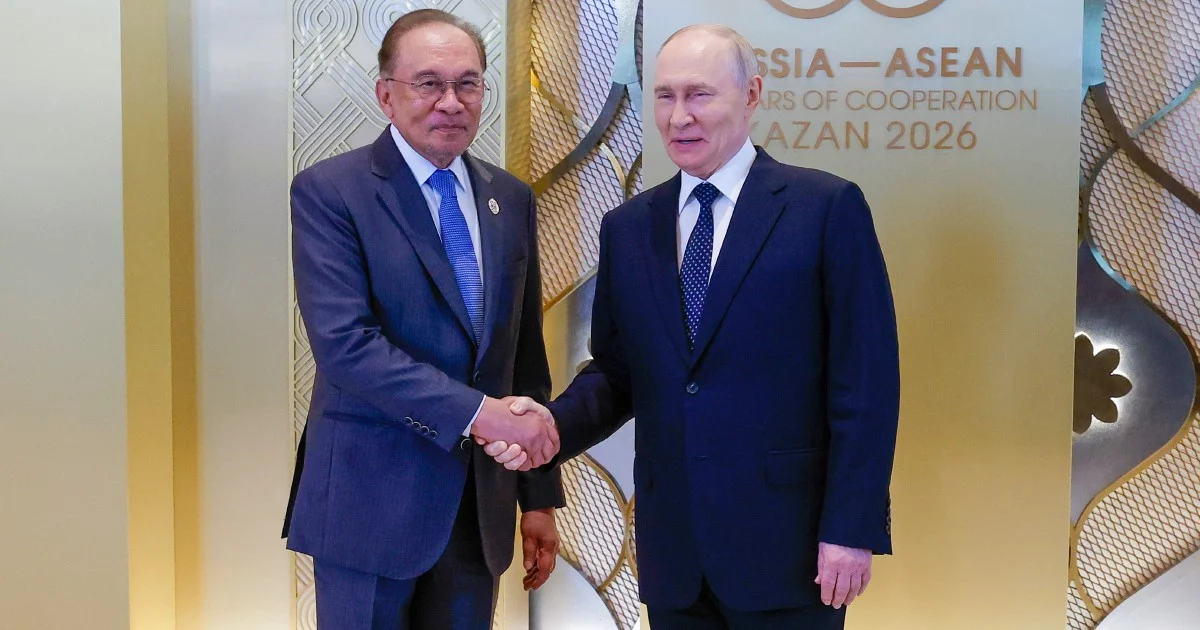
Prime Minister Datuk Seri Anwar Ibrahim's recent diplomatic missions to Russia and Turkmenistan represent a significant recalibration of Malaysia's energy strategy at a time when regional supply chains and geopolitical alignments are undergoing profound transformation. The visits, which garnered endorsement from BRICS International Malaysia, signal the government's recognition that diversifying energy sources and forging partnerships beyond traditional markets is essential to maintaining economic stability and competitive advantage in Southeast Asia's rapidly evolving energy landscape.
Malaysia's relationship with hydrocarbon-rich nations has historically centred on the Middle East and Australia, but the deteriorating global security environment and the imperative to reduce dependence on any single supplier region have prompted a strategic reassessment. Russia and Turkmenistan both sit atop vast reserves of oil and natural gas, positioning them as logical counterparts for a resource-importing nation seeking to reduce vulnerability to supply disruptions or price volatility. By engaging these nations at the highest diplomatic level, Anwar signalled Malaysia's intent to move beyond transactional trade relationships toward deeper, institutionalised cooperation that spans decades.
The energy dimension of these visits extends beyond crude oil procurement or liquefied natural gas imports. Both Russia and Turkmenistan possess expertise in upstream exploration, infrastructure development, and downstream refining—domains where Malaysian companies and government entities can benefit from technology transfer, joint ventures, and capacity building. For a nation that derives significant revenue from its own oil and gas sector, these partnerships offer opportunities to strengthen domestic competitiveness and export capabilities while ensuring adequate energy supplies for domestic consumption and power generation.
Turkmenistan's particular significance to Malaysia's energy calculus cannot be overstated. The Central Asian nation sits among the world's top ten natural gas reserves and has invested heavily in expanding its export infrastructure. Historically constrained by geography and reliance on limited export corridors through Russia or China, Turkmenistan has been increasingly exploring diversification of its customer base. Malaysia's overtures present mutual benefits: Turkmenistan gains access to a stable, growing market in Southeast Asia, whilst Malaysia secures an alternative supplier outside the traditional Middle Eastern nexus, reducing geopolitical risk.
Russia's role in these negotiations carries additional layers of complexity. The country has faced unprecedented economic sanctions since 2022, which have disrupted its export relationships with Europe and reduced its ability to direct energy supplies to traditional markets. This has created both opportunity and incentive for Russia to cultivate new customer relationships in Asia, where demand for hydrocarbons remains robust and sanctions regimes less stringent. For Malaysia, engagement with Russia must be carefully calibrated to avoid excessive exposure to secondary sanctions or reputational costs, but the energy security benefits justify a pragmatic, arm's-length partnership structure.
The strengthening of these energy partnerships also reflects Malaysia's broader pivot toward BRICS-aligned nations and non-Western economic structures. BRICS International Malaysia's endorsement underscores how individual bilateral energy agreements fit within a larger strategic narrative of rebalancing Malaysia's external relations. Rather than remaining tethered exclusively to Western-centric trade and investment networks, Malaysia is consciously diversifying its economic partnerships to include rising powers and resource-rich nations whose interests increasingly align with Southeast Asian prosperity and stability.
Domestically, these energy security enhancements carry profound implications for Malaysia's fiscal position and industrial competitiveness. Stable, diversified energy supplies insulate the nation from commodity price shocks and external supply disruptions, enabling more predictable cost structures for energy-intensive industries such as petrochemicals, semiconductors, and manufacturing. Cheaper, more reliable energy translates into lower production costs and enhanced ability to compete in global markets—benefits that ripple throughout the economy and support job creation across sectors.
The long-term trajectory of these partnerships will also influence Malaysia's position in Southeast Asia's energy architecture. As the region's largest economy, Indonesia, seeks to transition away from coal and develop renewable energy capacity, and as regional demand for hydrocarbons continues to grow, Malaysia's role as a reliable hub for energy procurement, refining, and distribution becomes increasingly valuable. Strengthened ties to Russian and Turkmen energy producers position Malaysia to serve not only its own needs but potentially those of neighbouring nations seeking stable supply relationships and competitive pricing.
However, the sustainability of these partnerships hinges on Malaysia's ability to navigate complex geopolitical currents. Western nations have expressed concern about deepening economic ties with sanctioned or strategic competitors, and Malaysia must demonstrate that energy security partnerships do not translate into political or military alignment that compromises its non-aligned foreign policy tradition. The government's careful diplomatic framing—emphasising economic cooperation rather than strategic alliance—suggests awareness of these sensitivities.
The visits also underline Malaysia's recognition that energy transition, whilst important, is not synonymous with immediate abandonment of hydrocarbon sources. Global energy markets will likely depend on oil and gas for decades, and Malaysia's strategy appropriately balances investment in renewable energy with pragmatic engagement with fossil fuel suppliers. This measured approach acknowledges Malaysia's current economic realities whilst maintaining flexibility for future pivot toward cleaner energy sources as technology and economics permit.
Moving forward, the substantive outcomes of these visits—specific contract signings, investment commitments, and framework agreements—will determine whether the diplomatic goodwill translates into tangible energy security gains. The articulation of BRICS International Malaysia's support suggests that institutional frameworks are being activated to facilitate these partnerships, potentially including trade finance mechanisms, joint ventures, and knowledge-sharing arrangements that extend beyond simple commodity transactions.
Ultimately, Anwar's diplomatic missions represent a calibrated but decisive shift in Malaysia's energy strategy. By diversifying suppliers, deepening engagement with resource-rich nations, and integrating energy cooperation within a broader framework of economic and political partnerships, Malaysia is constructing a more resilient, flexible approach to long-term energy security. For a nation whose prosperity depends fundamentally on reliable, affordable energy, these strategic investments in Central Asian relationships offer meaningful insurance against future supply crises and market volatility.

