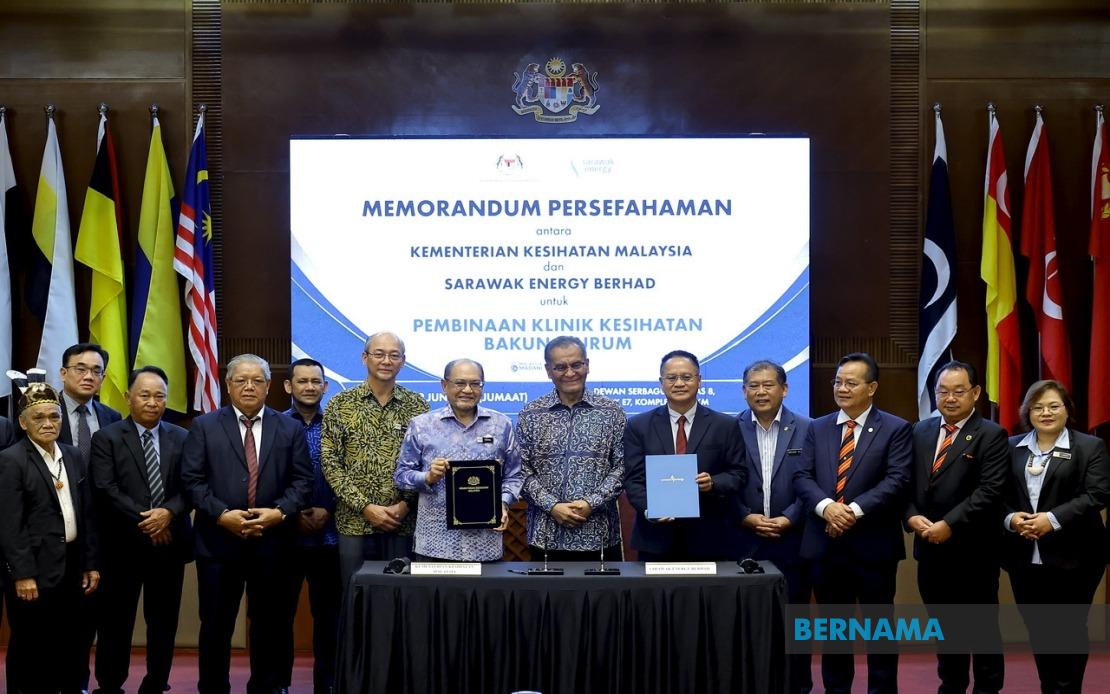
The Malaysian Health Ministry is approaching the completion of efforts to dismantle administrative barriers that have constrained the development of its medical specialist workforce, Health Minister Datuk Seri Dr Dzulkefly Ahmad announced during a press conference in Putrajaya on June 19. The acknowledgment comes as the nation confronts a documented deficit of approximately 11,000 specialist doctors, a gap that threatens the sustainability and quality of healthcare delivery across both public facilities and private institutions. Dzulkefly's statement signals recognition that while the challenge is substantial, targeted intervention is underway to unlock pathways that have historically slowed the progression of doctors from general training into specialised fields.
The minister's remarks underscored the complexity of the bottlenecks preventing faster specialist production. Rather than dismissing concerns about bureaucratic delays, Dzulkefly presented them as concrete obstacles that the ministry has systematically identified and is now working to eliminate. The acknowledgment itself represents a shift in transparency, as health officials publicly engage with longstanding complaints from the medical profession about cumbersome credentialing, accreditation, and training approval processes. These constraints have effectively created a bottleneck that extends the timeline for doctors to complete specialist qualifications, a problem that compounds as Malaysia's ageing population and rising disease burden increase demand for specialised medical care.
The shortage of 11,000 specialists reflects structural challenges across Malaysia's healthcare ecosystem. Both public hospitals and private facilities are affected, though the impact falls most acutely on the public system, which bears responsibility for serving the majority population. Public specialist departments have operated under sustained pressure, with existing doctors forced to manage larger patient loads and extended working hours. This burnout effect creates a secondary problem: the demanding conditions in understaffed departments may deter younger physicians from pursuing specialist qualifications, as the prospect of joining an overstretched system lacks appeal. The deficit thus perpetuates itself unless proactive measures address both the training pipeline and the working environment that awaits newly qualified specialists.
Dzulkefly's emphasis on phased implementation linked to infrastructure development reveals a strategic approach that prioritises sustainability over rapid expansion. The ministry cannot simply produce more specialists without simultaneously creating the hospital beds, equipment, and supporting staff necessary to deploy them effectively. This synchronisation requirement means that specialist numbers must grow in concert with healthcare facility improvements and upgrades. Malaysia's healthcare infrastructure, particularly in smaller towns and rural areas, cannot absorb a sudden influx of specialists without corresponding investment in facilities and diagnostic capabilities. The aligned approach prevents the creation of a new class of underemployed specialists in under-resourced areas while critical gaps persist in better-equipped urban centres.
To bridge the gap while longer-term solutions mature, the Health Ministry has adopted a cluster crisis management system as a temporary measure. This pragmatic intervention involves reorganising healthcare personnel across hospital networks and health clinics within defined geographical clusters, allowing for flexible redeployment based on immediate operational requirements. The approach enables the ministry to maintain service continuity by shifting doctors and staff to areas of greatest need, effectively spreading available specialist expertise across a wider population. While this does not address the fundamental shortage, it represents a damage-limitation strategy that prevents complete service collapse in any single facility while the ministry works toward sustainable solutions. For Malaysian patients and healthcare workers, the cluster system offers immediate relief from the worst bottlenecks, though it remains a temporary expedient rather than a permanent cure.
The timing of Dzulkefly's announcement is notable, coming during the signing of a memorandum of understanding between the Health Ministry and Sarawak Energy for the construction of the Bakun-Murum Health Clinic. This project exemplifies the infrastructure-led approach to healthcare development. By securing partnership funding and support for new healthcare facilities, the ministry creates tangible capacity for deploying additional specialists once training pathways are unblocked. Such infrastructure projects distribute healthcare resources more equitably across states, addressing regional disparities that have long characterised Malaysia's healthcare system. For Sarawak specifically, the clinic represents an expansion of primary and specialist care capacity in an area where geographic isolation has historically constrained access to expert medical services.
The resolution of bureaucratic constraints carries implications extending beyond Malaysia's borders. Southeast Asian nations increasingly compete for medical talent and collaborate on training standards. If Malaysia can streamline its specialist development pipeline, it may enhance its regional position as a medical education hub and potentially attract international students seeking efficient pathways to recognised qualifications. Conversely, continued delays risk driving ambitious young Malaysian doctors to seek specialist training abroad, with many subsequently choosing to establish practices in countries with more transparent and efficient regulatory frameworks. The efficiency of training systems thus influences both domestic healthcare capacity and the region's broader medical workforce dynamics.
For healthcare workers currently navigating the system, the ministry's commitment to resolving bureaucratic obstacles carries both promise and caution. While the acknowledgment of problems is overdue, the framing of solutions as phased and progressive suggests that change will unfold gradually rather than deliver rapid relief. Specialists in training may still face extended waiting periods for accreditation and appointment processes, even as the ministry systematically removes obstacles. The collaborative approach involving cluster management and infrastructure development also implies that geographical location will continue to influence career prospects and working conditions, potentially disadvantaging doctors who wish to practice in less developed areas where specialist services are most critically needed.
The broader context of healthcare worker wellbeing remains critical to the success of any initiative aimed at increasing specialist numbers. Burnout, inadequate remuneration, and career stagnation have already prompted some Malaysian doctors to seek opportunities overseas. Removing bureaucratic obstacles to specialist training addresses only part of the equation; unless accompanied by improvements in workplace conditions, professional development support, and competitive compensation, the training pipeline may remain constrained by physician emigration. The ministry's acknowledgment of workforce pressures suggests awareness of these dimensions, though the public statements thus far have emphasised process reform over investment in conditions that would retain newly qualified specialists within the Malaysian system.
The path forward requires sustained political commitment and resource allocation. The Health Ministry's current focus on identifying and resolving specific bottlenecks offers a constructive foundation, but success depends on follow-through once the administrative obstacles are nominally removed. Implementation of revised processes must be monitored, timelines for specialist training must be measured against baseline data, and outcomes must be transparently reported. Malaysian patients depend on these reforms delivering tangible increases in specialist availability within reasonable timeframes. For the 11,000-specialist deficit to narrow, the ministry must not only clear red tape but also build a more efficient, transparent, and supportive system for developing the nation's most critically needed medical professionals.

