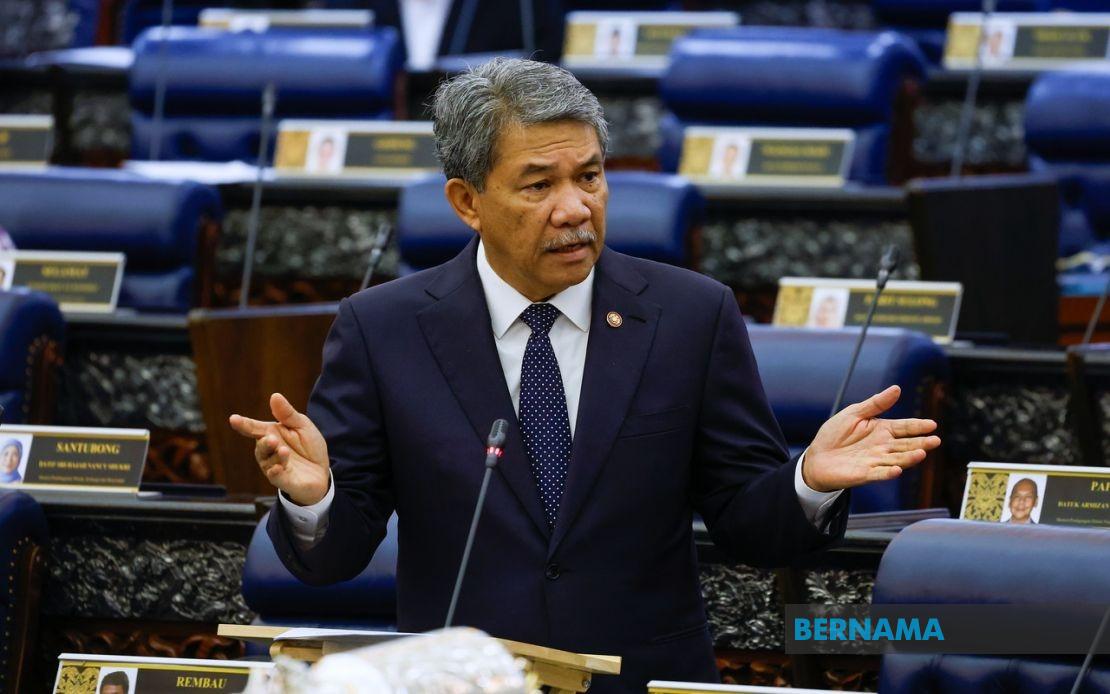
Foreign Minister Datuk Seri Mohamad Hasan has moved to dispel concerns about Malaysia's diplomatic overtures to Myanmar, insisting that a delegation visit to Naypyidaw in May carried no implication of recognising the country's military-backed administration. Speaking in parliament on June 25, Mohamad emphasised that Malaysia maintains its principled opposition to the junta while seeking to preserve constructive engagement with all stakeholders in the crisis-torn nation—a balancing act that reflects ASEAN's broader struggle to maintain unity on an issue that continues to divide the bloc.
The clarification came in response to parliamentary questioning about the optics of the Malaysian mission, which drew scrutiny from observers concerned that bilateral engagement might normalize the Myanmar government's standing within Southeast Asia. Mohamad explained that the visit was a direct outcome of decisions taken at the 48th ASEAN Summit, where regional leaders authorised continued informal channels of communication with Myanmar's authorities as part of a coordinated diplomatic strategy. This framing positions Malaysia's actions not as independent recognition but as compliance with a collective ASEAN framework designed to prevent complete isolation of the country.
Central to Mohamad's argument is the distinction between diplomatic engagement and political legitimacy. He recounted meeting Myanmar's Foreign Minister Tin Maung Swe at a hotel rather than at an official foreign ministry venue—a deliberate choice that underscores the informal and non-committal nature of the encounter. During the meeting, Mohamad conveyed Malaysian and ASEAN concerns about the path forward in Myanmar, using the opportunity to reiterate the region's expectations for change without extending formal recognition to the administration. This approach mirrors the careful choreography that ASEAN members have adopted when dealing with Myanmar since the February 2021 coup.
The Five-Point Consensus remains the touchstone of Malaysia's policy on Myanmar. Adopted following the coup, the framework calls for an end to violence, establishment of dialogue among all parties, humanitarian assistance, and a visit by an ASEAN envoy. Mohamad stressed that Malaysia's stance on implementing this roadmap remains unchanged, despite the May engagement. The reiteration is significant because some ASEAN capitals have shown signs of diplomatic fatigue with Myanmar, and incremental normalization of ties could undermine pressure on the junta to pursue the consensus objectives. By emphasizing continuity in Malaysia's position, Mohamad signalled that Kuala Lumpur is not shifting toward de facto acceptance of the status quo.
A crucial element of Mohamad's messaging centres on the principle of reciprocal obligations within ASEAN membership. He told Tin Maung Swe that while Myanmar enjoys rights as a regional bloc member, these cannot be divorced from corresponding responsibilities and duties. This framing turns the engagement into a reminder rather than a concession, positioning Malaysia as holding Myanmar accountable to its regional commitments. The distinction matters in ASEAN diplomacy, where collective pressure often operates through subtle appeals to institutional loyalty rather than overt sanctions or ultimatums.
The strategic calculation underlying Malaysia's engagement reflects broader concerns about Myanmar's trajectory and external influences. Mohamad articulated the logic explicitly: complete isolation of Myanmar risks creating a power vacuum that external actors with competing geopolitical interests might exploit. For Malaysia and ASEAN, the spectre of great power competition in Myanmar's internal affairs represents a scenario potentially more destabilizing than continued diplomatic engagement. This concern has become increasingly salient as China and other external players have deepened their involvement in Myanmar, creating incentives for ASEAN members to maintain channels that might otherwise be abandoned.
The planned follow-up engagement underscores the ongoing nature of Malaysia's diplomatic efforts. Mohamad indicated that another round of talks with Myanmar stakeholders would occur in early or mid-July, demonstrating that the May visit was not a one-off gesture but part of sustained dialogue. These meetings are framed as contributing to a broader search for resolution, though the track record of ASEAN engagement with Myanmar since 2021 offers limited grounds for optimism about imminent breakthroughs. Nonetheless, maintaining contact with multiple actors—both governmental and non-state figures—allows Malaysia to gather intelligence and position itself as a potential mediator if political circumstances shift.
Mohamad's parliamentary intervention also signals Malaysia's attempt to navigate the domestic political sensitivities surrounding Myanmar policy. Opposition lawmakers and civil society groups have expressed discomfort with what they perceive as premature normalization of relations with the junta. By explicitly denying that engagement implies recognition, Mohamad addresses these concerns while preserving Malaysia's role as an active participant in ASEAN's Myanmar strategy. This domestic-international balancing act reflects the tension between principled opposition to military rule and pragmatic engagement required by ASEAN consensus-building.
The humanitarian dimension of Malaysia's approach cannot be overlooked. Mohamad reiterated Malaysia's insistence that all parties cease violence, implement ceasefires, and permit humanitarian assistance to reach Myanmar's civilian population. These demands acknowledge the humanitarian catastrophe unfolding in Myanmar, where conflict-driven displacement and economic collapse have created a serious crisis. Malaysia's continued emphasis on these points, even while engaging with the junta, reflects an effort to use diplomatic channels to press for improvements in civilian conditions rather than allow Myanmar to fade from regional scrutiny.
For Southeast Asian policy observers, Malaysia's position illustrates the dilemma facing ASEAN as it confronts member states in acute internal crises. The bloc's commitment to non-interference and consensus decision-making complicates efforts to enforce accountability while maintaining institutional cohesion. Malaysia's approach—distinguishing between engagement and recognition—represents one attempt to resolve this tension, though whether it will prove effective in advancing the Five-Point Consensus remains uncertain. The strategy reflects a bet that dialogue, even with undemocratic governments, remains preferable to isolation, provided that engagement carries clear conditions and consequences.

