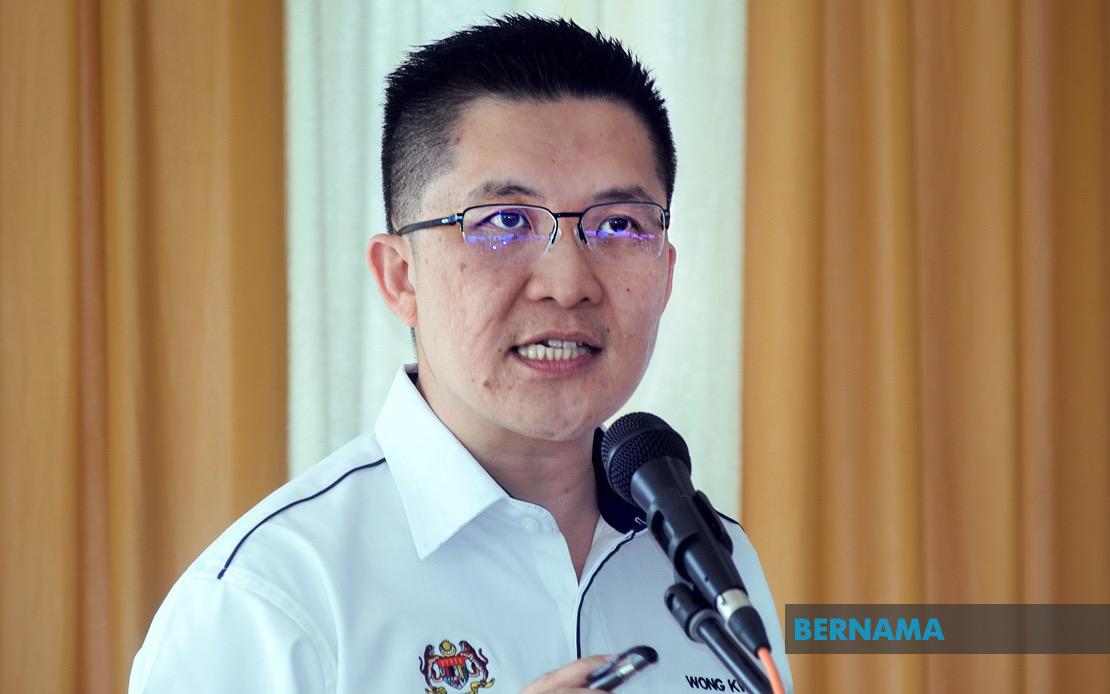
Malaysia's network of Tamil national-type schools continues to play a significant role in the country's educational landscape, with 528 institutions currently operational and serving a combined pupil population of 78,501 as of May 31, Deputy Education Minister Wong Kah Woh revealed in parliament. The revelation comes amid broader discussions about mother-tongue education in Malaysia and the government's commitment to preserving linguistic diversity within the formal schooling system.
The scale of Tamil education has shown gradual shifts in recent years when measured against examination participation. Tamil language candidates taking the Sijil Pelajaran Malaysia examination have declined from 8,023 registrants in 2023 to a projected 7,494 new candidates this year, suggesting evolving patterns in secondary education enrolment across Tamil schools. The downward trajectory, though modest, reflects broader demographic changes and competition from other educational pathways available to Malaysian students.
Despite these trends, the Ministry of Education maintains its institutional commitment to Tamil language provision at the secondary level. Tamil will remain listed among the language subject options offered through the Examinations Syndicate for SPM candidates, ensuring continued access to formal recognition of Tamil language proficiency. This commitment extends beyond Tamil national-type schools themselves; the ministry clarified that students from schools without dedicated Tamil programmes remain eligible to sit the Tamil SPM examination, provided they meet standard registration requirements. This flexibility expands educational opportunity for students across different school types who wish to pursue Tamil language qualifications.
The ministry's broader strategic agenda involves implementing the 2027 School Curriculum framework, which will reshape teaching methodologies and content delivery across Tamil schools. Enhanced focus on Tamil literature forms another pillar of educational strengthening, recognising the cultural and linguistic importance of literary traditions within the community. Simultaneously, the education system continues to grapple with practical challenges in teacher recruitment and retention, areas where targeted institutional support becomes essential for maintaining educational quality.
Johor represents a significant concentration of Tamil educational provision within Malaysia. The state operates 71 Tamil national-type schools collectively enrolling 12,906 pupils, with Johor Bahru district alone accounting for 15 schools and 7,840 students. Within this district, four schools have achieved substantially higher enrolment numbers: SJKT Taman Tun Aminah with 1,529 pupils, SJKT Ladang Rini with 1,055, SJKT Jalan Yahya Awal with 890, and SJKT Masai with 768 students. These concentrations suggest uneven distribution of demand and resources across the state.
Infrastructure development remains a critical focus for supporting overcrowded institutions. Two schools in Johor Bahru have each received allocations of RM4.3 million for new building construction: SJKT Ladang Rini and SJKT Kulai Besar are both positioned to expand capacity by accommodating between 200 and 300 additional pupils once projects conclude. These investments signal ministerial recognition that population demand in certain areas has outpaced physical facilities, creating potential constraints on educational quality and accessibility.
Conversely, under-enrolment presents a contrasting challenge within the Tamil school system. Two Johor Bahru institutions, SJKT Ladang Sungai Plentong and SJKT Ladang Mados, operate with fewer than 30 pupils each, raising questions about operational efficiency and resource allocation. Nationwide, addressing schools with insufficient enrolment has become a structured ministry priority, encompassing multiple policy instruments. Multi-grade teaching arrangements have been implemented across 135 under-enrolled Tamil schools nationally, allowing schools to consolidate student cohorts while maintaining operational viability. Additionally, 36 Tamil schools have received formal approval for relocation to areas demonstrating stronger demand, reflecting a more proactive approach to matching supply with community need.
Teacher availability and qualification standards directly influence educational quality across Tamil schools. The ministry requires 1,334 option teachers in primary-level Tamil schools but has successfully achieved staffing levels of 1,733, exceeding the target by substantial margins. Secondary school requirements stand at 584 teachers, with current staffing at 648, again surpassing defined needs. These figures indicate that teacher shortage, while historically problematic in mother-tongue education sectors, has been substantially mitigated through recruitment and training initiatives, though questions remain about geographic distribution and teacher quality across different institutions.
Public examination grading transparency emerged as a secondary focus during parliamentary discussion. Wong emphasised that SPM results are determined through systematic evaluation against curriculum standards and competency benchmarks rather than through quota-based or predetermined percentage allocations. Expert panels comprising subject specialists, curriculum developers, and educational assessment professionals review candidate performance and examination instrument characteristics before establishing grade boundaries. This methodology aligns with international examination practices, though grade boundaries may fluctuate annually depending on cohort performance and examination item specifications, a feature common across major international qualification systems globally.
The ministry's multifaceted approach to Tamil education reflects recognition that mother-tongue instruction requires sustained institutional investment extending beyond curriculum to encompass teacher development, physical infrastructure, and examination accessibility. For Malaysian Tamil communities, these initiatives represent continued governmental validation of Tamil language education within the formal system. For broader Southeast Asian contexts, Malaysia's Tamil school network demonstrates how plural societies can operationalise linguistic diversity within centralised education systems, though persistent challenges around enrolment distribution and resource optimisation suggest ongoing need for adaptive policy mechanisms.

