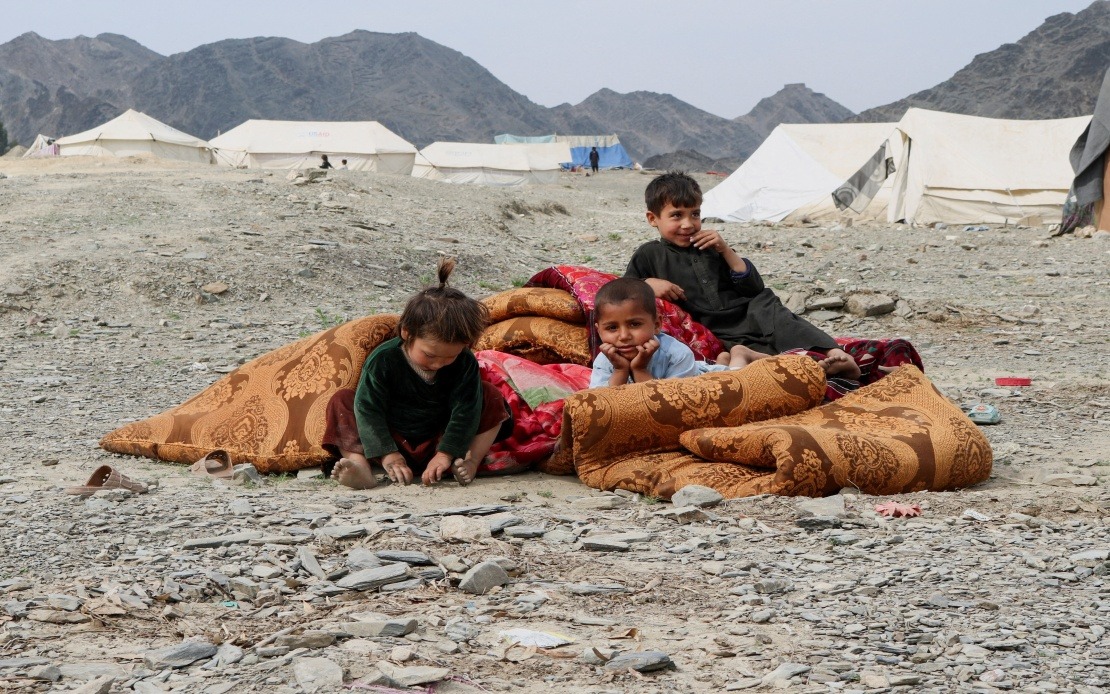
A humanitarian emergency is unfolding in southern Afghanistan, where aid organisations are witnessing a dramatic spike in childhood malnutrition that reflects the deteriorating humanitarian situation across the country. Doctors Without Borders (MSF) has sounded an alarm over conditions in the region, documenting a 30 per cent jump in malnourished children admitted to nutrition centres during the first quarter of this year compared to the same period in 2023. The scale of the problem is compounded by the fact that most cases involve infants under one year old, a particularly vulnerable population whose survival depends on consistent nutrition and access to basic healthcare.
The organisation's nutrition facilities are encountering children in dire straits, often arriving with advanced complications that might have been prevented through earlier intervention. Ana Lilia Banda, MSF's medical coordinator in southern Afghanistan, emphasised the urgency of the situation, noting that youngsters are reaching treatment centres far too late and in critical condition. This reflects a broader failure of the healthcare system to catch malnutrition in its early, more treatable stages. The pattern suggests that families are waiting until their children are severely affected before seeking help, either because awareness is low, facilities are distant, or they lack the resources to access care promptly.
The root cause of this crisis lies partly in a severe contraction of international humanitarian assistance since the Taliban's return to power in August 2021. Foreign donors have substantially reduced their financial commitments to Afghanistan's healthcare and humanitarian programmes, creating a vacuum that local institutions struggle to fill. This withdrawal of funding has had cascading effects throughout the healthcare system, forcing the closure of many medical facilities that once provided vital services. Rural and remote areas have been particularly hard hit, leaving entire communities without basic healthcare infrastructure.
Clinicians working in the field identify the funding shortage as a critical barrier to early malnutrition detection and intervention. When healthcare facilities shut down, the opportunity to screen children during routine visits vanishes. Mothers and caregivers lose access to the education and support programmes that encourage proper feeding practices and help families navigate periods of food scarcity. The absence of these preventive services means that nutritional deficiencies go unrecognised until children develop visible symptoms of severe malnutrition, by which point medical complications have often developed.
Environmental factors are making the humanitarian challenge even more intractable. Afghanistan has experienced recurring droughts in recent years, which devastate agricultural production and reduce household food security in a country where rural communities depend heavily on farming for survival. When crops fail, families have fewer resources to purchase food, and malnutrition becomes unavoidable. The combination of climate stress and economic instability creates a perfect storm for vulnerable populations, particularly children whose nutritional needs are high and whose bodies cannot tolerate prolonged food shortages without suffering permanent damage.
The Taliban administration has publicly committed to protecting children's rights, with deputy spokesman Hamdullah Fitrat making such assurances on Afghan television. However, the government's actual capacity to address malnutrition remains severely limited. The Taliban inherited an economy devastated by decades of conflict, faces international isolation, and struggles to access the foreign exchange reserves frozen by Western governments following its takeover. These constraints make it extremely difficult for Afghan authorities to fund healthcare expansion or nutrition programmes at the scale required to meet the crisis.
International diplomacy has begun to shift slightly toward engagement with the Taliban administration. Representatives of the Islamic Emirate participated in technical-level discussions with the European Commission in Brussels, marking the first such formal talks at the EU level. These conversations focused partly on deportation procedures for Afghan migrants, reflecting the complex relationship between humanitarian concerns and immigration policy in Europe and beyond. The engagement suggests potential for future dialogue on humanitarian issues, though concrete outcomes remain uncertain.
For Malaysia and the broader Southeast Asian region, the Afghanistan crisis carries multiple implications. First, instability and deprivation in Central Asia can fuel migration pressures that eventually reach Southeast Asian shores, as desperate families seek opportunity elsewhere. Second, the collapse of healthcare systems and humanitarian conditions in Afghanistan demonstrates the fragility of development gains when international support evaporates. Regional countries depend partly on international development assistance and must consider how global geopolitical shifts might affect their own access to funding.
The malnutrition crisis also illustrates the humanitarian consequences of sanctions regimes and financial isolation. While international actors have legitimate concerns about the Taliban's governance, the unintended consequence of freezing assets and withdrawing aid is that ordinary Afghans—particularly children—pay the price. This tension between political accountability and humanitarian responsibility continues to shape global responses to Afghanistan and raises difficult questions about how the international community should balance these competing interests.
MSF's documentation of the crisis represents a critical voice highlighting conditions that might otherwise escape international attention. The organisation operates in some of the world's most challenging environments and relies on access and acceptance from local populations to deliver care. Its warnings about malnutrition should prompt renewed examination of how international policy on Afghanistan affects the most vulnerable populations, and whether current approaches are adequately addressing the humanitarian emergency unfolding in the country.

