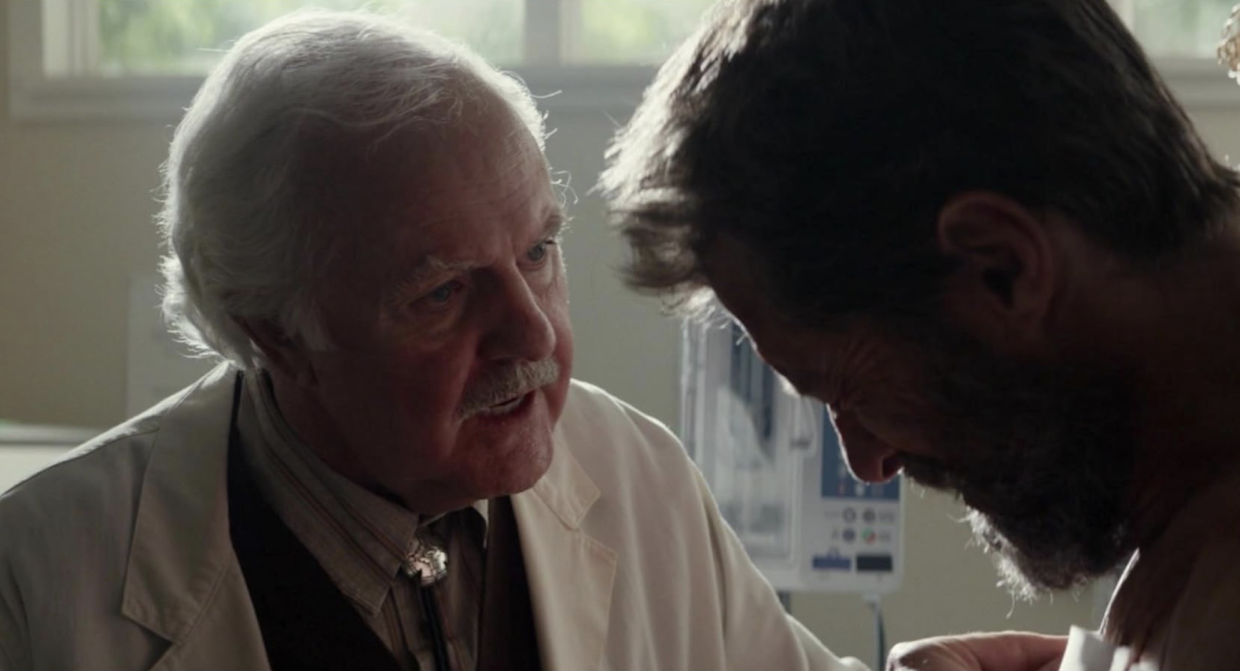
A Los Angeles Superior Court judge has determined that Michael Gledhill, the man facing murder charges in connection with the death of veteran character actor James Handy, lacks the mental capacity to comprehend the case against him or meaningfully participate in his own legal defence. The ruling, handed down by Judge Maria Cavalluzzi on Monday, represents a significant procedural shift that will delay criminal proceedings while Gledhill undergoes psychiatric treatment and evaluation.
The 44-year-old suspect was taken into custody following the stabbing death of Handy, an 81-year-old actor who accumulated an extensive portfolio of credits across films and television productions spanning several decades. According to police accounts, the initial response to the incident came after a 911 caller made the cryptic statement, "I am the son of man, I just killed the man of sin." Gledhill subsequently informed responding officers that he was the person authorities were searching for, effectively placing himself at the scene and admitting involvement in the alleged crime.
The mental competency determination emerged from a structured legal process initiated in early June when Gledhill's scheduled arraignment was suspended pending psychiatric evaluation. Rather than proceeding with conventional criminal proceedings, the case was transferred to a specialised mental health court designed to assess defendants' psychological fitness. Following comprehensive psychiatric evaluations conducted through that forum, clinicians concluded that Gledhill could not adequately understand the charges or assist his legal representation, a finding that Judge Cavalluzzi formally adopted during Monday's hearing.
Beyond the core competency question, the judge also determined that Gledhill cannot make informed decisions regarding his own medical treatment. This finding enabled Cavalluzzi to issue an order authorising involuntary medication for a period of one year. A psychiatrist had testified that appropriate pharmaceutical intervention could significantly improve Gledhill's mental health status, providing the clinical basis for this intrusive but legally permissible measure. The decision reflects an assessment that medication represents the most promising pathway toward potential future competency restoration.
The case now enters a holding pattern centred on long-term placement and continued psychiatric management. Gledhill is scheduled to reappear in court on July 14 for a hearing addressing his future residential and treatment arrangements. Prosecutors and defence counsel have remained largely silent publicly, with attempts to obtain statements from both legal teams yielding no immediate responses. Should Gledhill eventually be found competent to stand trial following treatment and reassessment, the case would proceed to criminal court for adjudication of the murder charges.
Background details surrounding the incident have emerged through accounts provided by those in Handy's circle. Brian Delate, a longtime friend and fellow actor, revealed to media outlets that Gledhill's mother had adapted her garage specifically to serve as accommodation for her son. Despite maintaining his own residence, Handy reportedly spent considerable time at the garage space. Delate indicated that Handy had previously mentioned concerns about mental health struggles affecting his girlfriend's son, though he did not elaborate extensively on the nature or severity of those difficulties.
The scenario illustrates the complex intersection of criminal justice, mental health, and family dynamics that occasionally emerges in high-profile cases. For Malaysian observers and legal professionals, the case demonstrates how Anglo-American jurisdictions handle situations where psychiatric conditions may fundamentally impair a defendant's ability to participate in traditional adversarial proceedings. The concept of competency evaluation, while familiar to common law systems worldwide including Malaysia, takes on particular significance when applied to actors or public figures, generating media attention and public interest that extends beyond routine criminal matters.
James Handy's career spanned multiple decades within the entertainment industry, affording him the status of a recognisable character actor rather than a lead performer in major productions. His passing at 81 represents the loss of a seasoned professional whose accumulated body of work reflected the nature of supporting roles that constitute the backbone of film and television production. The circumstances surrounding his death—the apparent mental health crisis that precipitated the violence—underscore how untreated psychiatric conditions can escalate suddenly into tragic outcomes affecting not only the affected individuals but also their broader social networks.
The legal proceedings ahead will necessarily move at a deliberate pace given the requirement for psychiatric treatment and periodic reassessment of Gledhill's mental state. Unlike conventional criminal trials that proceed relatively swiftly once formal charges are filed, mental health court involvement typically extends timelines as clinical professionals conduct ongoing evaluations. This temporal dimension reflects competing legal obligations: the justice system's interest in resolving serious allegations must be balanced against due process protections that require defendants to possess adequate mental capacity to understand proceedings and exercise their rights.
For the entertainment community in particular, the incident serves as a sobering reminder of the intersection between vulnerability and proximity. Character actors operating within the industry often interact with diverse individuals across various professional and social contexts. The case underscores how apparently chance connections—a mother's willingness to accommodate her son, a friend's decision to spend time in a particular location—can create circumstances where tragic outcomes become possible when mental illness remains unmanaged or inadequately treated. The July 14 hearing will provide the next opportunity for the court to assess Gledhill's status and determine appropriate next steps in addressing both his psychiatric needs and his legal situation.

