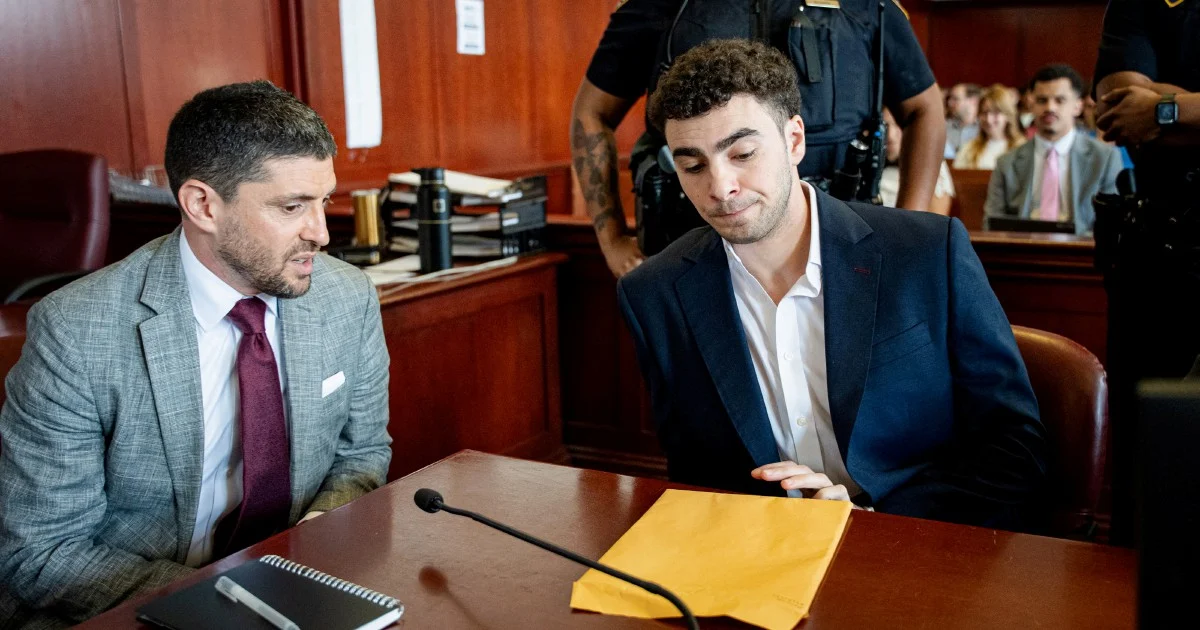
Luigi Mangione, the man charged with shooting dead a health insurance chief executive on a New York street, has decided to hold back from presenting evidence about severe mental health problems at the time of the alleged shooting, according to legal filings released on Friday. The decision marks a significant tactical shift in his defence strategy as the case progresses through the courts.
Mangione stands accused of the fatal shooting of Brian Thompson, UnitedHealthcare's chief executive, in Manhattan in December. The killing sent shockwaves through the insurance sector and sparked broader public debate about frustrations with the American healthcare system. The circumstances surrounding Thompson's death drew international attention, with Mangione's arrest occurring days later as authorities closed in on the suspect.
The withdrawal of mental health defence preparation, though temporary, suggests Mangione's legal team is reassessing their approach to the case. Defence attorneys frequently introduce evidence of psychological distress or mental illness to argue for reduced culpability or to provide context for their client's actions. By stepping back from this strategy now, the defence may be calculating that introducing such evidence could prove counterproductive or that additional time is needed to build a stronger clinical foundation.
Court filings in high-profile criminal cases often reveal evolving defence strategies as lawyers gather evidence, conduct expert evaluations, and anticipate prosecution arguments. The decision to postpone rather than permanently abandon the mental health defence indicates Mangione's legal team has not entirely closed the door on this approach. They may introduce such evidence at a later stage of proceedings, or they could be waiting for stronger psychiatric evaluations to support their claims.
The case has attracted significant media scrutiny and public interest, particularly given the prominence of the victim and the symbolic nature of the crime in debates over healthcare policy and corporate accountability. In Malaysia and across Southeast Asia, where insurance systems operate differently and face their own regulatory scrutiny, the international dimensions of this case offer insights into how wealthy nations' healthcare debates can turn volatile. The case also highlights how high-profile criminal proceedings in major Western jurisdictions can reshape public discourse.
Mangione's decision must be weighed against the prosecution's likely strategy. Prosecutors typically argue that premeditation, planning, and conscious decision-making demonstrate criminal intent rather than mental incapacity. By emphasising mental illness, defence counsel might inadvertently provide ammunition for the other side to paint the accused as someone who deliberately acted despite understanding the gravity of his conduct.
The timing of this filing reveals ongoing negotiations and strategic planning between defence counsel, the court, and potentially the prosecution regarding what evidence will be admissible and relevant. New York criminal procedure rules require defendants to notify the court of their intention to rely on mental illness defences, and courts must rule on the admissibility and framework for such evidence well before trial. The withdrawal suggests those conversations are still developing.
For observers of the American justice system, this case underscores how complex criminal litigation operates at multiple levels simultaneously—the formal courtroom procedure, behind-the-scenes tactical decisions, media narratives, and public opinion all intersect. The withdrawal of mental health defence preparation, though a technical procedural matter, carries weight precisely because such defences can profoundly influence jury perception and ultimate outcomes.
Mangione remains in custody as the case advances toward trial. The specific charges he faces carry severe penalties, making every strategic decision by his defence team consequential. The possibility of reinstating mental health evidence later means this chapter is not necessarily closed; rather, his lawyers may be recalibrating their approach based on evolving circumstances, additional expert consultation, or changes in the broader case dynamics.
Regional audiences observing this case should note that mental health defences operate very differently across jurisdictions. In some Asian legal systems, psychiatric evidence receives less judicial weight than in American courts, and mental illness alone typically does not excuse criminal liability in the same way. Understanding these differences illuminates how each legal system balances individual culpability against broader social and psychological factors.
The case continues to unfold with numerous pretrial motions, evidentiary disputes, and procedural steps remaining. Mangione's legal team will likely file additional motions as discovery proceeds and as they evaluate the strength of the prosecution's evidence against their client. The withdrawal of mental health defence plans for now represents one tactical moment in what promises to be a lengthy and closely watched judicial process.

