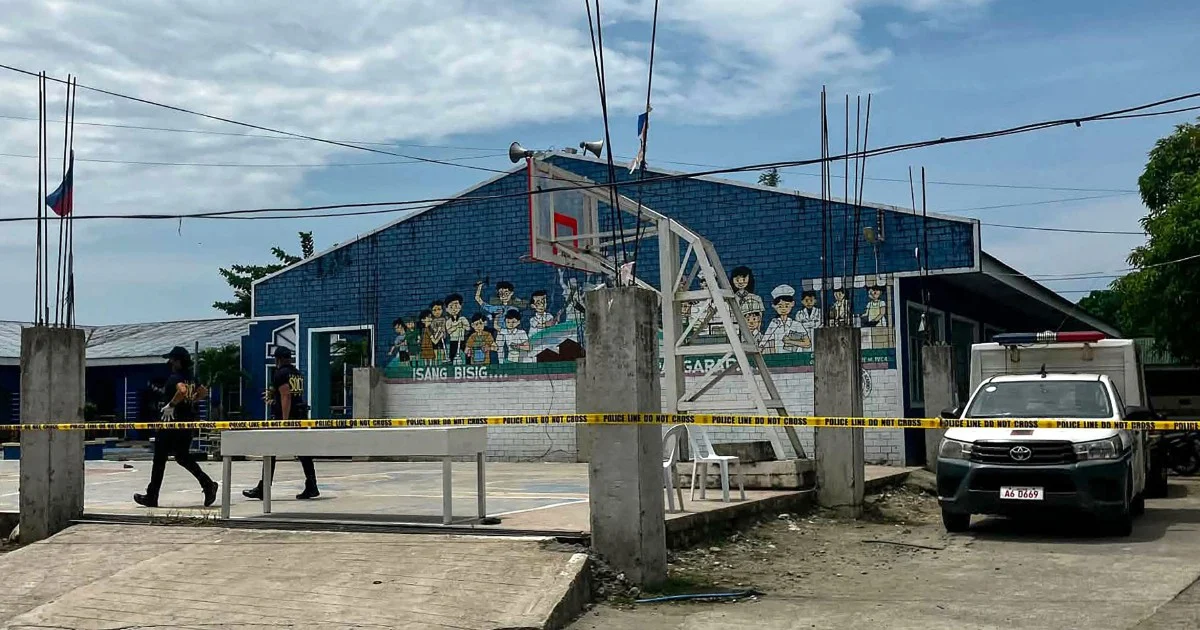
Philippine President Ferdinand Marcos Jr has instructed authorities to launch a comprehensive investigation into a tragic school shooting that occurred in Tacloban, marking another troubling incident at an educational institution in the region. The incident, which resulted in three fatalities and five wounded, has prompted immediate action from the nation's highest office to determine the circumstances that allowed armed violence to penetrate school premises.
The shooting in Tacloban underscores growing security concerns affecting educational facilities across the Philippines. Schools, traditionally spaces where families entrust their children's safety, have increasingly become sites of unexpected violence. This particular incident reflects broader challenges that plague many public institutions in the country, where inconsistent security protocols and limited resources have left vulnerable populations exposed to preventable harm.
The presidential directive represents an escalation in government response to armed violence in schools. By ordering a formal investigation at the highest level, Marcos Jr signals that such incidents will not be treated as isolated occurrences but rather as systemic failures requiring institutional accountability. This approach differs markedly from previous administrations' handling of similar crises, suggesting a shift toward more direct executive engagement with school safety matters.
The five individuals injured in the shooting are receiving medical attention, though details regarding their conditions remain limited. The identity of the shooter or shooters has not been publicly confirmed, nor have investigators disclosed the motive behind the attack. These gaps in information underscore the early stage of the investigation and highlight the need for comprehensive fact-finding before conclusions are drawn.
Tacloban, the capital of Leyte province in the Eastern Visayas, has a population of approximately 242,000 residents and serves as a major urban centre in the region. The city's experience with armed violence at a school facility sends ripples of concern throughout the Visayas, where communities have historically faced multiple security challenges ranging from criminal activity to residual insurgent operations. Educational institutions in provincial cities like Tacloban often operate with minimal security infrastructure compared to their metropolitan counterparts.
The incident occurs against a backdrop of increasing scrutiny regarding gun violence in Southeast Asia. The Philippines has struggled with widespread civilian firearm ownership and persistent difficulties in implementing effective gun control measures. School shootings, while less frequent than in some Western nations, have nonetheless emerged as a recurring problem that demands serious policy attention and resource allocation toward prevention.
School administrators and government education officials will likely face questions about preventive measures that were or were not in place. The investigation will probably examine perimeter security, access control procedures, and whether staff had received training in emergency response protocols. These findings could inform national guidelines for campus security that might be adopted by the Department of Education.
The psychological impact on students, staff, and families affiliated with the affected school will be substantial. Trauma services and counselling support will be essential to help the school community process the violence and begin healing. Restoration of confidence in the school as a safe environment will require sustained effort from both institutional leadership and government authorities.
This shooting also places renewed focus on the broader challenge of public safety in the Philippines. The nation faces multiple competing security priorities, including addressing organised crime, insurgent groups, and drug-related violence. Adding school safety to this agenda requires dedicated funding, trained personnel, and coordination between law enforcement, education authorities, and local government units.
The investigation ordered by President Marcos Jr will likely examine whether proper licensing procedures were followed for anyone identified as responsible, whether security gaps were known and ignored, and what systemic reforms might prevent future incidents. The findings could shape education policy nationwide, potentially leading to enhanced security requirements for schools across the archipelago.
As the investigation unfolds, the incident serves as a stark reminder that the Philippines, like many developing nations, faces challenges in protecting its most vulnerable citizens during their hours of learning. The tragedy in Tacloban demands not only accountability for this specific incident but also broader strategic thinking about how educational systems can remain sanctuaries for learning while acknowledging the security realities of contemporary Philippine society.
The response from Marcos Jr suggests that presidential attention to such matters may increase going forward, potentially elevating school safety from a local concern to a matter of national policy importance. This shift could help catalyse the resource allocation and inter-agency coordination necessary to address a problem that, while not yet as severe as in other countries, nonetheless represents an unacceptable intrusion of violence into spaces dedicated to childhood development and education.

