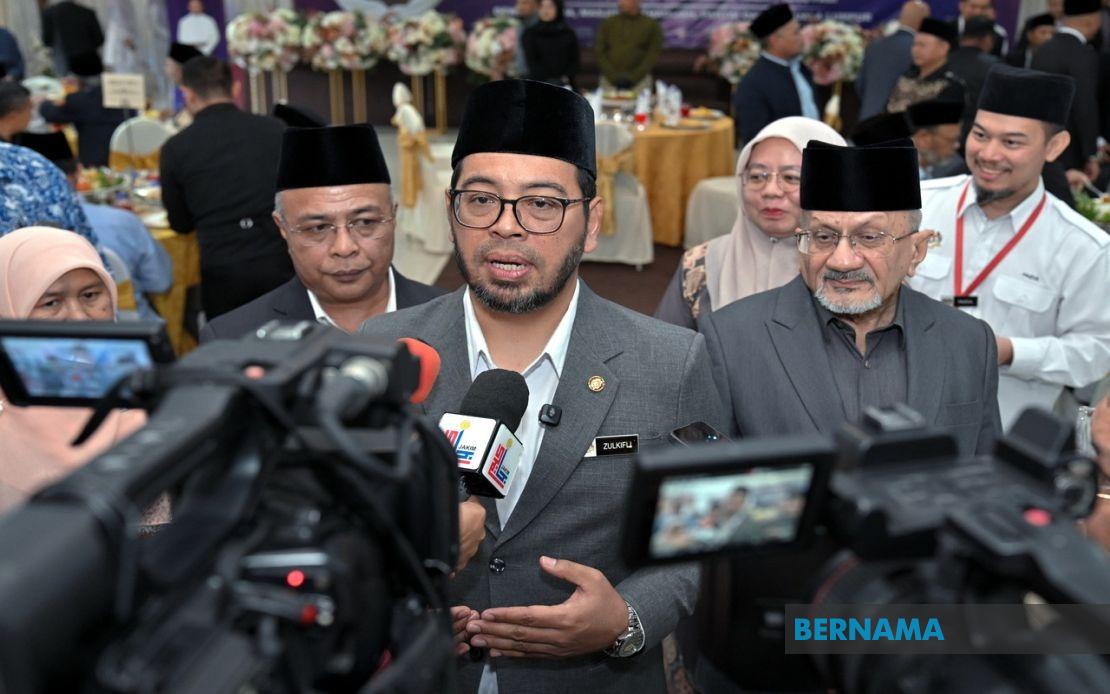
Construction of Masjid Warisan, situated in front of the prestigious Tun Razak Exchange (TRX) tower in Kuala Lumpur, will proceed as originally scheduled, according to Minister in the Prime Minister's Department (Religious Affairs) Dr Zulkifli Hasan. Speaking to reporters on June 23, the minister confirmed the mosque development remains a firm commitment from the federal government, dismissing recent suggestions that the initiative should be shelved.
The mosque project represents a long-standing architectural and religious development initiative that has been in preparation for an extended period. The ministry framed the endeavour as integral to its broader vision of positioning mosques as vital institutions for fostering social cohesion and strengthening community bonds across urban Malaysia. Rather than being a sudden or controversial initiative, Zulkifli emphasised that this construction reflects deliberate strategic planning that aligns with the nation's commitment to religious infrastructure.
The announcement comes amid reported resistance from unidentified quarters who have publicly expressed reservations about the project's feasibility. Critics, according to media coverage, have raised concerns that the mosque's presence could potentially generate social friction and provoke negative public sentiment. However, the minister's decisive statement appears designed to signal government resolve in seeing the project through to completion despite such opposition.
Zulkifli offered a pathway for those harbouring doubts about the initiative to seek clarification and engage constructively with relevant authorities. He directed interested parties to approach the Federal Territories Islamic Religious Council (MAIWP), suggesting that direct dialogue and transparent information-sharing could address misconceptions about the project's aims and implementation. This approach reflects an attempt to transform potential conflict into structured conversation managed by established institutional channels.
The minister drew international perspective into the discussion by highlighting that mosques have long served as essential features of major cities worldwide. He contended that the call to prayer, which would naturally emanate from Masjid Warisan, represents not a source of disturbance but rather an anchor for spiritual tranquillity and cultural identity. This framing attempts to normalise the project within a global urban context rather than presenting it as uniquely controversial or provocative.
Beyond the mosque announcement, Zulkifli's visit to Kuala Lumpur encompassed broader institutional work within the religious affairs sector. He distributed formal appointment letters to members of the Federal Territories Mosque and Friday prayer surau committee for the upcoming 2026-2029 term at Masjid Al-Khadijah in Kampung Pantai Dalam. This committee assignment process demonstrates the scale of mosque governance structures across the federal territories and the careful management of religious institutional leadership.
The committee selection process itself reveals substantial citizen engagement with mosque management roles. The recruitment cycle attracted 3,010 nominations seeking to fill positions across 91 mosques and 124 Friday prayer surau throughout the Federal Territories. This indicates widespread participation from religious community members eager to contribute to institutional development and worship space management. The breadth of nominations underscores strong grassroots interest in mosque governance structures.
The selection of 2,914 candidates from the initial nominee pool involved rigorous integrity screening by multiple government agencies and law enforcement bodies. The vetting mechanism incorporated input from the Royal Malaysia Police, the Malaysian Anti-Corruption Commission, and the Insolvency Department, suggesting that mosque committee members must meet elevated standards of personal probity and financial reliability. This multi-agency approach reflects the government's determination to ensure that mosque governance rests in credible hands capable of managing community trust and institutional resources.
For Malaysian readers, the Masjid Warisan project carries significance beyond its immediate architectural footprint. The mosque's location adjacent to TRX, an icon of Kuala Lumpur's modern financial district, represents an attempt to integrate religious institutions visibly within the nation's contemporary economic and urban landscape. Rather than consigning religious spaces to peripheral locations, the project embeds Islamic infrastructure within Malaysia's most prominent commercial zones, potentially reshaping perceptions of how faith communities participate in and contribute to urban development.

