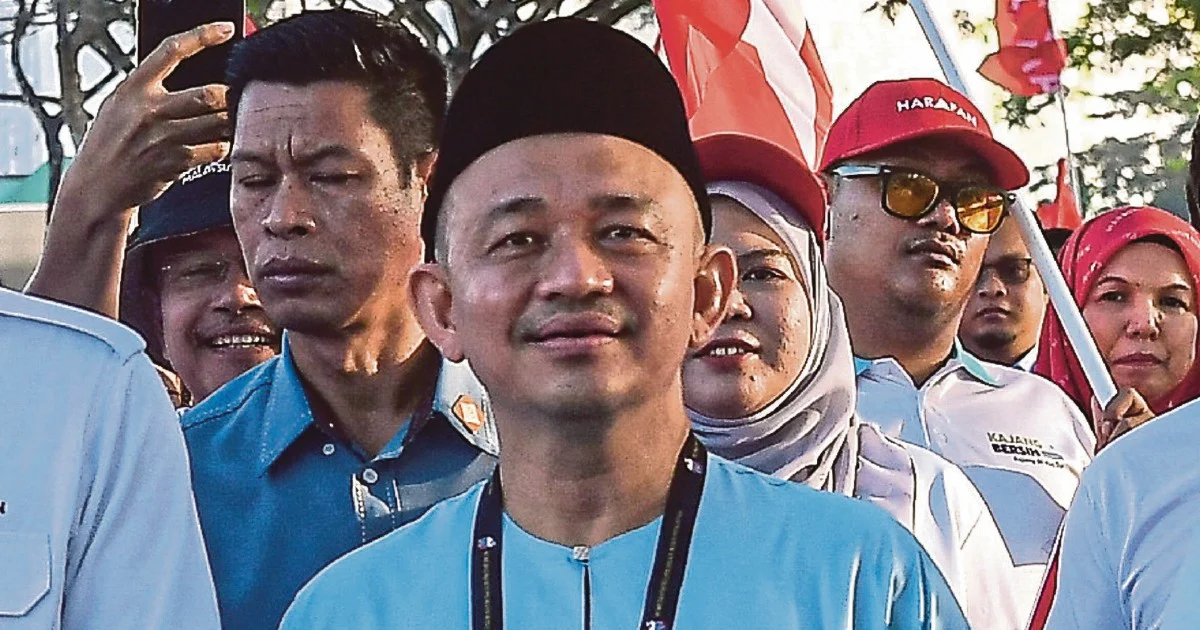
Former Education Minister Dr Maszlee Malik has raised expectations for Pakatan Harapan's prospects in the Johor state election, arguing that a coalition victory at Puteri Wangsa and key constituencies would signal the beginning of a transformative period for the southern state's development trajectory.
The pronouncement underscores the significance Pakatan Harapan places on the Johor contest, which remains a critical battleground in Malaysia's evolving political landscape. Control of Johor has historically been pivotal for any government seeking to establish dominance across the peninsula, given the state's economic importance and strategic positioning within the region. The coalition's messaging centres on its capacity to drive substantive improvements in governance and infrastructure development if voters grant it the mandate.
Johor's development trajectory has become an increasingly contentious political issue, with various coalitions positioning themselves as the most capable custodians of the state's future. The emphasis on development by Pakatan figures reflects public concerns about economic opportunities, job creation, and infrastructure investment in the state. For many Johor residents, the election presents a straightforward question about which political grouping can best deliver tangible improvements to their quality of life and economic prospects.
Dr Maszlee's intervention in the campaign highlights how experienced political figures are being deployed to articulate broader policy visions that appeal beyond narrow partisan interests. By framing a Pakatan victory as opening a "new chapter," the coalition attempts to position itself as offering genuine change rather than incremental adjustments to existing governance arrangements. This messaging strategy recognises that voters in Johor, like elsewhere in Malaysia, are evaluating not merely which party to support, but what fundamental direction they wish their state to take.
The reference to Puteri Wangsa specifically suggests this constituency has emerged as symbolically important to both Pakatan Harapan and its opponents. Such targeted focus on individual seats is typical during state elections, where marginal constituencies often determine overall outcomes. The coalition's concentration on particular battlegrounds indicates strategic targeting based on demographic composition and voting patterns in these areas.
Pakatan Harapan's development agenda for Johor, as articulated through statements like Dr Maszlee's, appears to emphasise modernisation and strategic economic repositioning. The coalition faces the challenge of convincing Johor voters that its vision offers superior prospects compared to incumbent administrations or alternative coalitions. Given Johor's substantial economic base and its role as a regional manufacturing and trading hub, development policy inevitably involves questions about attracting foreign investment, supporting local enterprises, and building human capital.
The political context in Johor remains complex, with various parties competing across different regions and communities. Pakatan Harapan's success will depend on its ability to translate broad development promises into localised messaging that resonates with specific voter concerns. Different parts of Johor face distinct challenges—from urban congestion and housing affordability in developed areas to rural infrastructure deficits and agricultural modernisation in less urbanised regions. A credible development agenda must address this diversity rather than offering one-size-fits-all solutions.
Election campaigns invariably involve aspirational language, and Dr Maszlee's characterisation of a Pakatan victory opening a new chapter fits this pattern. However, voters increasingly scrutinise whether political coalitions can deliver on such promises. Johor's electorate, like Malaysians generally, has witnessed multiple election cycles and will evaluate Pakatan's pledges against its track record in governance, both in Johor itself and in other states where it has held power. This historical context shapes voter scepticism and enthusiasm in equal measure.
The broader implications for Malaysia's political trajectory are substantial. A significant Pakatan Harapan showing in Johor would strengthen the coalition's position nationally and suggest that voters remain receptive to its political messaging. Conversely, poor performance would raise questions about the coalition's electoral viability and potentially embolden competing political forces. For Johor specifically, the election outcome will determine which coalition shapes state policy on critical issues including infrastructure investment, industrial development, environmental management, and social services provision.
For Southeast Asian observers, the Johor election reflects broader patterns evident across the region, where electorates are evaluating competing political visions and holding governments accountable for delivery on development promises. Malaysia's competition between Pakatan Harapan and other coalitions mirrors similar dynamics in neighbouring countries, where voters weigh political stability against demands for substantive improvement in governance and economic opportunity. The Johor result will therefore carry significance beyond state boundaries.
Dr Maszlee's campaign statements represent one element in a broader competitive political environment where multiple actors vie to shape Johor's future direction. The coalition's success ultimately depends not on campaign rhetoric alone, but on voters' assessments of which political grouping demonstrates the competence, commitment, and vision necessary to deliver genuine development improvements across the diverse state. The election will provide a clear answer to these critical questions.

